India extended its support at the United Nations for a Cuban resolution urging an end to the long-standing US economic, commercial, and financial embargo on Cuba.
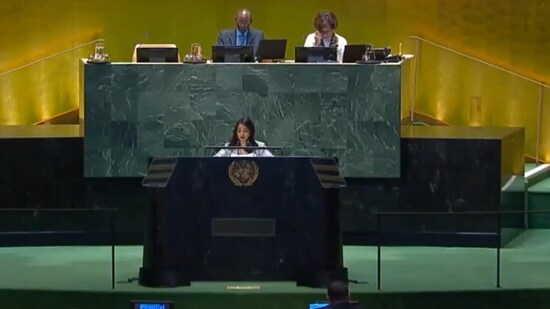
In a vote held by the UN General Assembly, 187 nations supported the call to lift the embargo, with only the United States and Israel voting against it, tying a previous record of support.
Unambiguous rejection of domestic laws having extraterritorial impact: India
India’s first secretary Sneha Dubey said the adverse impact of the embargo on Cuba's economy and its people. “As the world's largest democracy with abiding faith in multilateralism, India stands in solidarity with this assembly in its unambiguous rejection of domestic laws having extraterritorial impact,” Dubey said, stressing that the embargo hinders Cuba’s progress toward the 2030 Agenda for Sustainable Development.
ALSO READ- IAF flypast, floral tribute to Sardar Patel: PM Modi in Gujarat on Diwali
"The people of Cuba can contribute much to the needs of the global community. But the international community also needs to intensify its efforts to promote an environment free from sanctions and embargoes. India hopes that the embargo will be withdrawn at the earliest and supports the draft resolution moved by Cuba," she added.
ALSO READ- Are 'Canadian criminals' directing operators in India? What RCMP head told MPs
{{/usCountry}}ALSO READ- Are 'Canadian criminals' directing operators in India? What RCMP head told MPs
{{/usCountry}}The embargo, initially imposed in 1960 following revolution by Fiedel Castro and Cuba’s nationalisation of US assets, has since been regularly challenged by global leaders who see it as isolating Cuba from much-needed resources and growth opportunities.
Allow our country to develop its true potential and capabilities: Cuban FM
Cuban foreign minister Bruno Rodriguez criticised the US embargo as a "maximum pressure policy" aimed at restricting Cuba's energy resources, worsening the island’s economic crisis and recent blackouts.
He dismissed US claims that the embargo is intended to help the Cuban people, calling for an end to what he described as a “six-decade siege.”
Sanctions placed to promote democracy and human rights: US
US deputy ambassador, Paul Folmsbee, told the assembly that the United States strongly supports the Cuban people’s pursuit of a future that respects human rights and fundamental freedoms.
“Sanctions are one element of our broader effort to advance democracy and promote respect for human rights and fundamental freedoms in Cuba,” he said.
While the UN resolutions are non-binding, they demonstrate global opposition to the embargo and support for Cuba's ability to thrive free from international sanctions.