E-Paper



India-US ties remain critical, hope to fix tariffs, says Marco Rubio
The US aims to resolve a 25% tariff on India linked to Russian oil purchases, amid ongoing trade talks and a visa fee hike affecting Indian professionals.

 Prefer HTon Google


America hopes to resolve the punitive 25% tariff imposed on India over its Russian oil purchases, US secretary of state Marco Rubio said in a television interview on Tuesday.
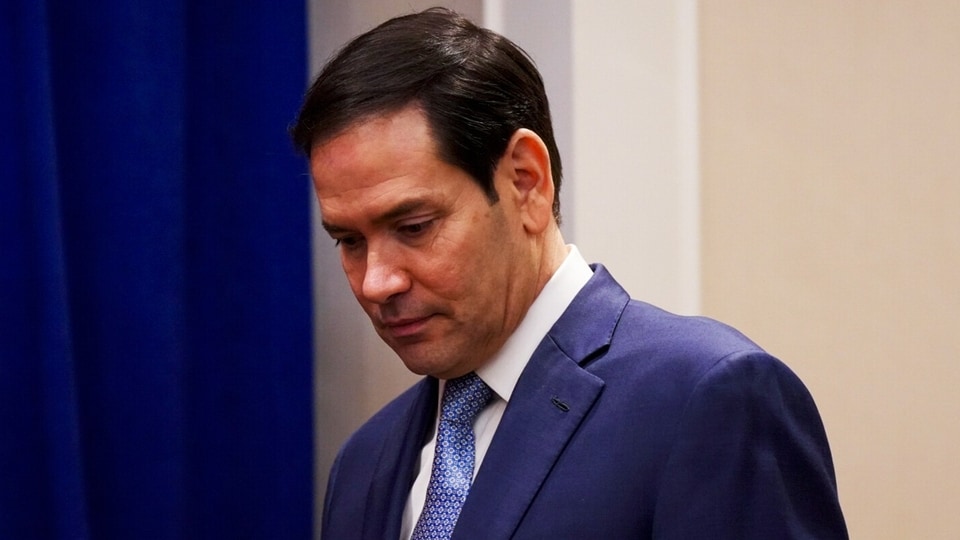
“We had meetings with them again yesterday, and it has to do with their purchase of Russian oil,” Rubio said in an interview on ABC News’ “Good Morning America” program, citing “a lot of progress.”
However, Rubio also called on European nations to join tougher secondary sanctions on Moscow—a move that could involve targeting India.
The remarks came a day after Rubio’s first face-to-face meeting with external affairs minister S Jaishankar since India-US tensions escalated in July, with the secretary of state stressing that ties with India remain “critically important” to America.
Monday’s bilateral talks covered trade, defence, energy, pharmaceuticals and critical minerals, according to a US readout. “Secretary Rubio and external affairs minister Jaishankar agreed the United States and India will continue working together to promote a free and open Indo-Pacific region, including through the Quad,” the statement said.
The diplomatic outreach, on the sidelines of the UN General Assembly’s High Level Week in New York, came days after the US administration announced a steep $100,000 application fee for H-1B visas, which disproportionately affects Indian professionals who receive over 70% of approved applications.
Notwithstanding the visa fee hike, there has been a wider warming of relationship between the two sides since two weeks now. Jaishankar also held separate talks with Sergio Gor, Trump’s nominee for US Ambassador to India, underscoring the administration’s focus on the relationship.
Parallel to the diplomatic outreach, commerce minister Piyush Goyal met US Trade Representative Jamieson Greer in New York to advance stalled trade negotiations. This marked their third encounter this year, following meetings in March and May. The latest talks built on discussions during a September 16 visit by US Trade Representative officials to New Delhi.
Reducing the 50% tariff burden on Indian goods has emerged as New Delhi’s top priority, whilst Washington seeks greater market access for American products in India. India has called the US tariffs “unreasonable and unjustified.” The current tariff structure combines Trump’s baseline 25% levy with an additional 25% penalty over India’s Russian energy ties.
India was among the first nations to begin free trade agreement talks with the US in February, engaging in five intensive negotiation rounds between March and July. However, discussions hit obstacles over market access for US agricultural products, tariff reciprocity issues and unresolved cases at the World Trade Organisation.
Trade talks were abruptly halted by Washington in August when a planned US delegation visit to India was cancelled. The relationship’s trajectory shifted in early September following positive social media exchanges between Prime Minister Narendra Modi and President Trump.
Trump subsequently announced the resumption of trade negotiations, expressing confidence there would be “no difficulty” in reaching an agreement. Gor has suggested a deal could materialise within weeks, whilst Goyal has expressed hope for conclusion by November.
The H-1B programme, which has created much of Silicon Valley’s workforce since 1990, faces criticism from Trump’s administration for allegedly displacing American workers. Major Indian IT companies including Infosys and Tata Consultancy Services rank among the programme’s top sponsors. The White House clarified that the $100,000 fee applies only to new applications in upcoming lottery cycles, not as an annual charge.
Key officials told HT that both sides hoped to maintain the momentum established by the Trump-Modi rapprochement in September, with India’s commerce ministry stating its delegation plans to “take forward discussions with a view to achieving early conclusion of a mutually beneficial Trade Agreement.”