
 E-Paper



IndiGo crisis: Turbulence to absurdity
A farcical outcome to an unprecedented collapse reduces India’s aviation ecosystem into a new theatre of the absurd

 Prefer HTon Google


Readers might recall an incident on an Air India aircraft in 2023 — popularly termed “pee-gate” — which degenerated into a theatre of the absurd as authorities, the airline, its staff and various stakeholders scrambled to minimise the damage. Three years later, we find ourselves in a similar boat as we reach a farcical end to the early-December aviation crisis orchestrated by the country’s leading airline, IndiGo. After a detailed investigation into the causes of the collapse, the Director General of Civil Aviation (DGCA) last week slapped a penalty of ₹22 crore on the airline and issued warnings to a few key personnel of the carrier in lieu of its failure to deliver as promised.
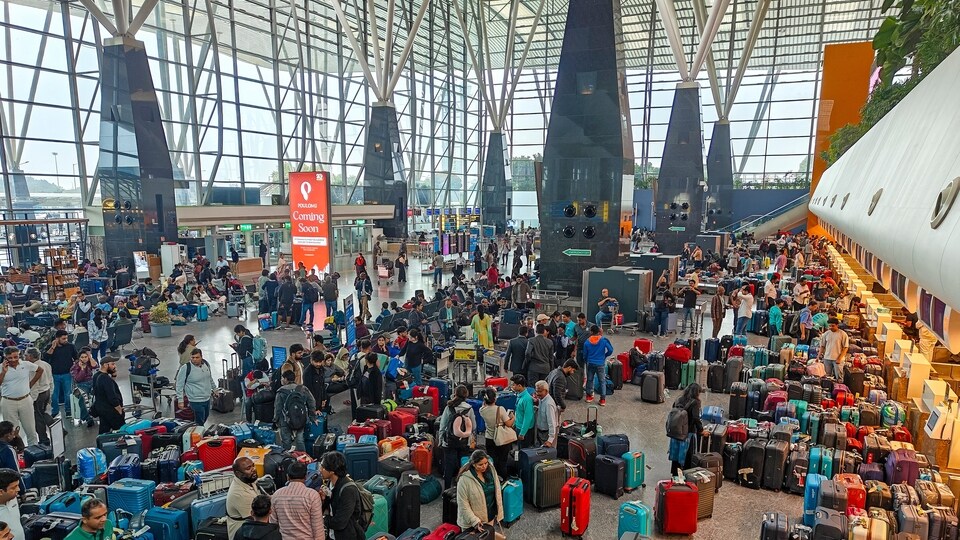
The DGCA report ought to be a serious red flag for the airline; it rules out systemic, procedural or process failures, or any acute shortage of personnel. It lays the blame almost squarely on human negligence or incompetence — or a combination of the two — indicting specific members of the airline’s top management. Even as this piece went to press, a parallel investigation was under way at the behest of the airline’s board to examine the root causes behind the meltdown.
It is widely expected that the board will take some hard decisions based on both inquiries, holding those found culpable accountable, since the episode resulted in not just financial losses but a severe loss of face for the company. Unfortunately for IndiGo, the repercussions of the airline’s failure reverberated at a nationwide level. Executives within the airline are of the view that the board’s and the ownership’s credibility now hinges on the actions it takes to redeem the past and secure the future of a carefully nurtured business. Failing to do so would lend credence to now-estranged co-founder Rakesh Gangwal’s metaphor of a “paan” shop.
The fact that the airline’s management and board are under acute scrutiny is confirmed by a bank guarantee of ₹50 crore sought by the DGCA — it is rare for any regulator to demand such a guarantee — to ensure implementation of reforms across four areas: leadership and governance, manpower planning, digital systems and board oversight. The regulator is empowered to release the guarantee in phases after verifying compliance. It’s akin to bringing a bunch of errant kids to book.
I’ll list three areas where the airline, the authorities, and their actions — or the lack of them so far — have fallen short of broader expectations. To begin with, the quantum of the fine levied — ₹22 crore — was dismissed by many as a joke, as it amounts to barely three hours of revenue for the airline (by back-of-the-envelope calculations). The airline’s share price rose on the announcement as the market assessed how lightly it had gotten away. Based on the popular perception that the airline’s management understands only one language (profits), commanders and aggrieved passengers were of the view that it should have been asked to pay a fine that actually hurts. The official explanation, however, was that the airline was fined the maximum prescribed penalty as per the authority vested in the regulator. Clearly, these limits need revision. Moreover, if exemptions can be given, exceptions (read: a hefty penalty) can be made too.
Post the December cancellations, IndiGo issued a voucher for ₹10,000 for affected fliers, which stated that if accepted, passengers would forfeit their right to any further claims against the airline for its failure to deliver as promised. Instead of mollifying passengers, this “gesture of care” raised the hackles of many (who described the terminology as “cringeworthy”), since the sums that fliers lost exceeded the paltry amount on offer ( ₹10,000) by many multiples. Weddings were rescheduled, holiday plans scrapped, and hotel bookings cancelled — resulting in significant losses. Worse, people missed funerals. Those who did find alternatives paid ridiculously inflated amounts to reach their destinations.
Within days of the cancellations, the matter reached the Delhi High Court, which dismissed a petition to compensate all fliers four times the amount spent by them on full-price tickets that stood cancelled. The Supreme Court simultaneously refused to entertain PILs related to the same, arguing that the matter was already under adjudication by the lower court. Some aggrieved passengers — in the absence of any ombudsman for the sector — are looking to pursue their claims for appropriate compensation through consumer courts for deficiency in service, harassment, or even unfair settlement terms, and seek full compensation against amounts lost. As one person pointed out, it’s the ideal time for a class action suit.
Then there remains the question of when all exemptions granted to IndiGo by the regulator post-collapse can be lifted and the new Flight Duty Time Limitations (FDTL) be implemented in toto, as advised by the courts and recommended by the regulator to begin with. Company sources say this will happen by April, acting as an eye-opener on the ability of the system to “practise as it preaches”. The absurdity of the regulator being forced to overextend its reach — probably a first worldwide — into an airline’s internal business cannot be lost on anyone. The episode also throws the spotlight on the confidence a monopoly clearly has in its ability to game the system and not comply with what is expected. How far will this go? For the regulator to have any credibility left, it needs to ensure court directives are complied with as soon as possible.
While this crisis spearheaded by the country’s aviation market leader might have abated for now, it has revealed a plethora of inadequacies — which this column will highlight in subsequent pieces — in what can still be described as a nascent sector, and reinforced the fact that unless systemic problems are tackled, such crises shall recur. Akin to aircraft flying into turbulence, India’s aviation ecosystem appears to have flown into a cloud of absurdity as this New Year dawned.
(Anjuli Bhargava writes about governance, infrastructure, and the social sector. The views expressed are personal)


