Information on the elevation and non-elevation of judges should not be made public under the Right to Information (RTI) Act as it would “open a Pandora’s box” and do “great damage to the judiciary”, attorney general KK Venugopal told the Supreme Court on Wednesday. He, however, favoured disclosure of information about the assets of judges.
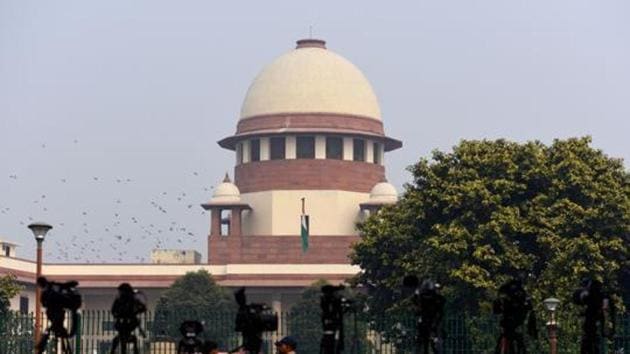
A five-judge Supreme Court bench is hearing an appeal by the top court’s registry against a 2010 Delhi high court judgment that held that the Chief Justice of India’s (CJI) office is a “public authority”. The high court said the office falls under the ambit of the RTI Act, which allows Indian citizens to seek information from the government on grounds of accountability and transparency. The high court also directed the registry to give information to an RTI activist on the assets of judges. The Collegium’s (system of selecting judges) decision on January 10 recommending justice Sanjiv Khanna’s elevation to the top court triggered a controversy as his appointment entailed supersession of three Delhi high court judges.
Venugopal told the court that the moment the bar knows that a particular judge is to be elevated, 50 to 60 complaints are filed. “Even rival judges ask people to file complaints.
Whether the judge is elevated or not, but if the information, including intelligence report regarding him, becomes public, he becomes the target of adverse remarks. His independence is affected and the public, too, loses confidence in him,” said Venugopal, who appeared for the registry. Arguing against the disclosure of information available with the CJI’s office on elevation and supersession of judges under the RTI Act, Venugopal said the “disclosure of such information will be against public interest and would put an end to the Collegium system itself.” The Collegium, which comprises the five most senior judges of the Supreme Court, selects judges to the higher judiciary.
{{/usCountry}}Whether the judge is elevated or not, but if the information, including intelligence report regarding him, becomes public, he becomes the target of adverse remarks. His independence is affected and the public, too, loses confidence in him,” said Venugopal, who appeared for the registry. Arguing against the disclosure of information available with the CJI’s office on elevation and supersession of judges under the RTI Act, Venugopal said the “disclosure of such information will be against public interest and would put an end to the Collegium system itself.” The Collegium, which comprises the five most senior judges of the Supreme Court, selects judges to the higher judiciary.
{{/usCountry}}Venugopal said the principle of larger public interest must be followed with regard to the disclosure of assets of judges.
“As far as the information on assets is concerned, it is personal and private. One has to see if larger public interest is served, then the information can be disclosed.” He cited examples of civil servants and Parliament members to drive his point home.
“These people are public servants, and by the very nature of the functions they perform, there is a possibility that they can misuse their powers and acquire huge wealth…”
On a lighter note, Chief Justice of India Ranjan Gogoi said, “There are judges, who started very rich, but are poor now. How many people are interested in knowing this?”
The court asked Venugopal whether the information on assets of members of Parliament is put in the public domain or it was just given to the Speaker of the House.