Justice Yashwant Varma, facing an impeachment in Parliament after an unspecified amount of money was found in his official residence following a fire, will get at least two chances to defend himself , a top-ranking official said on Friday.
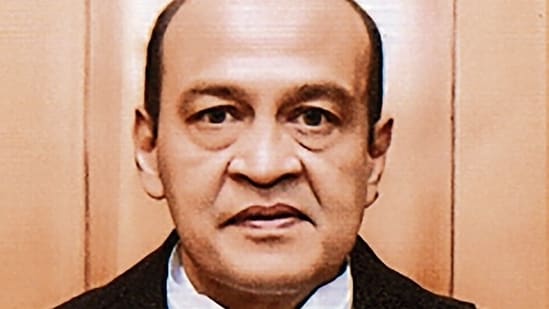
Justice Varma will get his first opportunity after Parliament constitutes an expert committee to independently examine the case. When the probe committee decides to frame its charges against Varma, a copy of those charges will be sent to him for his reply.
“This is a part of the process that will be adopted during the impeachment of justice Verma. Just as in the case of the ethics or privileges panel, where an accused can defend themselves, in the case of impeachment motion, the judge will be allowed to present his case. Parliament has always upheld the principles of justice,” explained the official who asked not to be named.
While the then Chief Justice of India sent a recommendation on justice Varma’s removal, attaching the findings of a committee set up by the Supreme Court to explore the allegations against him, Parliament will have to follow its own process.
{{/usCountry}}While the then Chief Justice of India sent a recommendation on justice Varma’s removal, attaching the findings of a committee set up by the Supreme Court to explore the allegations against him, Parliament will have to follow its own process.
{{/usCountry}}Varma’s second chance will come during the debate on the motion of impeachment—which can be brought either in the Rajya Sabha or the Lok Sabha. According to precedents, justice Varma will be the first speaker in the house before lawmakers debate on the merit of the case.
In August 2011, Justice Soumitra Sen—who was accused of misappropriating funds—sat on a chair facing then Rajya Sabha chairman Hamid Ansari and made a lengthy argument defending himself and appealed to the MPs to vote by conscience, according to a record of the proceedings.
“The same process will follow in whichever House the impeachment motion is taken up. There will be no shortcuts,” said a second official who too asked not to be named.
According to the rules, the three-member committee that will be formed by the House will comprise a Supreme Court judge, chief justice of a high cour, and a distinguished jurist. In case of Sen, the Rajya Sabha-appointed probe panel consisted of Supreme Court judge justice B Sudershan Reddy, Punjab and Haryana high court Chief Justice Mukul Mudgal and jurist Fali S. Nariman.
Sen was the first judge in Independent India to be impeached in the Rajya Sabha. But he resigned before the Lok Sabha was scheduled to discuss his impeachment.
In 1993, Parliament witnessed the first impeachment motion against a sitting judge when the Lok Sabha debated on the proposal to impeach Chief Justice of Punjab and Haryana V Ramaswamy. The motion failed as a requisite number of MPs didn’t vote.
To pass an impeachment motion, the proposal has to be supported by a majority of the total membership of that House and by a majority of not less than two-third of the members of the House present and voting.