
 E-Paper



Kalluri gone, Bastar top cop says media won’t be harassed in Maoist heartland
Sunderraj P, deputy inspector general (DIG) of police of Dantewada who took charge of the Maoist-affected region of Chhattisgarh after controversial Bastar inspector general (IG) of police SRP Kalluri went on medical leave , has assured journalists they would not be harassed.

 Prefer HTon Google


Sunderraj P, deputy inspector general (DIG) of police of Dantewada who took charge of the Maoist-affected region of Chhattisgarh after controversial Bastar inspector general (IG) of police S R P Kalluri went on medical leave , has assured journalists they would not be harassed.
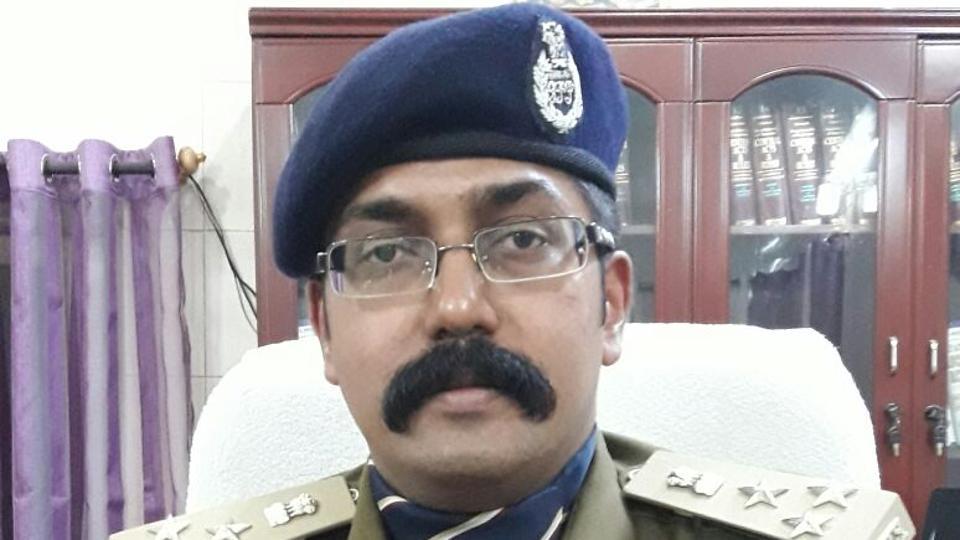
In an interview to Hindustan Times, Sunderraj who will be stationed at Jagdalpur, also said he would ensure no vigilante group breaks the law.
You have been given an important responsibility by the government. What are the challenges at Bastar?
Everyone knows that Bastar is a big challenge. We have to continue the positive work which was going on earlier. Secondly, we have to work not only on operational front but also development front. We have seen improvement in the development front in the recent past and this is very important for Bastar and to curb the Maoists.
Bastar is in news for wrong reasons such as attacks on rights activists, researchers such as Bela Bhatia and others. Questions have also been raised on fake and forced surrenders and fake encounters. Is it your mandate to curb these things?
No one can break the law. If anyone is doing anything against the law and Constitution, he or she will be booked. If anyone has to protest against any views or ideology, there is a counter view too that can be given. You can debate and discuss but cannot break the law.
The so called anti-Maoist vigilante groups which are active in Bastar, at times, seem to be taking the law into their own hands. Researchers and activists have claimed that these groups are doing so at the behest of the police. What action will you take against them? Will this continue?
See, in anti-Maoist drive, people’s support is the most important thing. Without this support, we will not be successful on any front. But I will ensure that no one takes advantage of this theory and no vigilante group is able to break the law.
Several journalists have been threatened in the last couple of years, either by the police or by the vigilante groups. Will journalists be able to travel freely now in Bastar for stories?
Yes. In this anti-Maoist drive, the media plays a very important role because they present the reality in front of people. I assure that no mediapersons will be harassed and no hindrance of any sort will be created in their work.
In terms of combat, south Sukma has not seen major operations and continues to be a Maoist stronghold. Some parts of Bijapur too remain in the liberated zone (as Maoists describe strongholds)? What are your plans for these areas?
We are able to reach these parts and many police camps can be seen there now. We are working in these parts and positive results will come soon. In recent past, we have conducted many successful operations in south Sukma and Bijapur. We working on area and region specific strategy.
What do you have to say about the allegations of sexual abuse by security forces?
There are two parts in this. First, all the allegations are under investigation. Secondly, we are sensitising the security forces so that no such allegations can be levelled against them. We are also sensitising the forces at all levels on various fronts including the human rights violation.
-kW0H-U20214218012MgB-250x250%40HT-Web.jpg)


