
 E-Paper



Karnataka government weighs legal options after governor returns key bills
This comes amid the ongoing friction between the Siddaramaiah-led government and the Raj Bhavan, particularly over the probe into the alleged irregularities in Muda

 Prefer HTon Google


The state government is contemplating to take legal action after governor Thaawar Chand Gehlot returned four key bills for clarifications and delayed his assent to three other, law and parliamentary affairs minister HK Patil said. This comes amid the ongoing friction between the Siddaramaiah-led government and the Raj Bhavan, particularly over the probe into the alleged irregularities in Mysore Urban Development Authority (Muda).
In the past week, the governor returned four bills - the Karnataka (Minerals Rights and Mineral Bearing Land) Tax Bill, 2024, which proposes new taxes on mineral rights and is projected to generate ₹4,713 crore in revenue; the Karnataka Hindu Religious Institutions and Charitable Endowments Bill, 2024, which seeks to redirect funds from wealthier temples to smaller ones; the Karnataka Co-operative Societies (Amendment) Bill, 2024, aimed at altering the reservation system for cooperative board members; and the Gadag-Betageri Business, Culture, and Exhibition Authority Bill, 2024, intended to establish a statutory body to develop the twin towns.
According to government officials, two of these bills - the endowments bill and the cooperative societies bill - were returned despite earlier clarifications provided by the government. The officials further said that governor Gehlot was yet to act on three other crucial pieces of legislation: the Karnataka State Rural Development and Panchayat Raj University (Amendment) Bill, 2024, which proposes replacing the governor with the chief minister as chancellor of the university; the Mysore Urban Development Authority Bill, 2024; and the Chanakya University (Amendment) Bill, 2024.
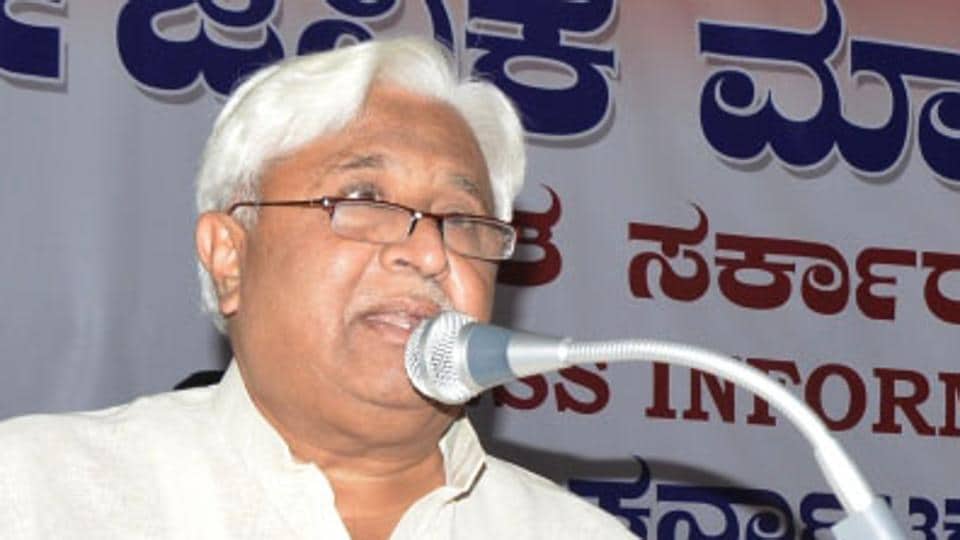
Condemning governor’s move, HK Patil said: “Returning bills despite clarification amounts to a violation of constitutional principles.” He emphasised the legislature’s primacy and suggested that the government may resort to legal action, adding, “The Supreme Court had issued notices to governors in West Bengal, Kerala, and Tamil Nadu for similar delays in legislation.”
If Karnataka moved court, it would be third government in south India after Kerala and Tamil Nadu to challenge the government for stalling the bills passed by the state legislative.
The Karnataka (Minerals Rights and Mineral Bearing Land) Tax Bill has been a focal point of contention. While the government cleared the bill during the winter session in Belagavi, the Federation of Indian Mineral Industries (FIMI) petitioned the governor to reject it, describing it as “discriminatory” and warning that it could severely harm the mining industry. FIMI argued that the bill imposes excessive levies, including taxes on mineral-bearing land and royalties on non-auctioned mines, which would disproportionately affect mining operators with high production costs and marginal revenues.
An official from the Raj Bhavan said: “Following the petition from the federation, the governor has sought some clarifications and also a legal opinion. The clarifications have not been sent back to the governor, despite over 20 days having passed.”
The Karnataka State Rural Development and Panchayat Raj University (Amendment) Bill has also drawn opposition criticism. BJP MLA CN Ashwath Narayan urged the government to withdraw the bill, citing the University Grants Commission’s (UGC) draft guidelines, which grant governors significant powers in appointing vice-chancellors. “The government should wait for the guidelines to be implemented before pushing forward with the bill,” Narayan said. However, Karnataka, along with other non-BJP-ruled states, has opposed these guidelines, arguing that they undermine state autonomy.
Rural development and panchayat raj minister Priyank Kharge said: “The governor should uphold constitutional principles. If political motives are driving these actions, we are prepared for a legal battle.”


