
 E-Paper



Legal experts praise top court’s judgment
Seven out of the 10 bills relate to powers regarding the appointment of vice chancellors in several universities across Tamil Nadu being vested with the state and instead of the governor.

 Prefer HTon Google


: The Supreme Court’s decision to strike down Tamil Nadu governor RN Ravi’s decision to reserve 10 re-enacted state bills for presidential assent would enable the state government to administer state-run universities, and also target the opposition, particularly the Bharatiya Janata Party (BJP), for using the governor to target the DMK-led state government before 2026 assembly elections, experts claimed.
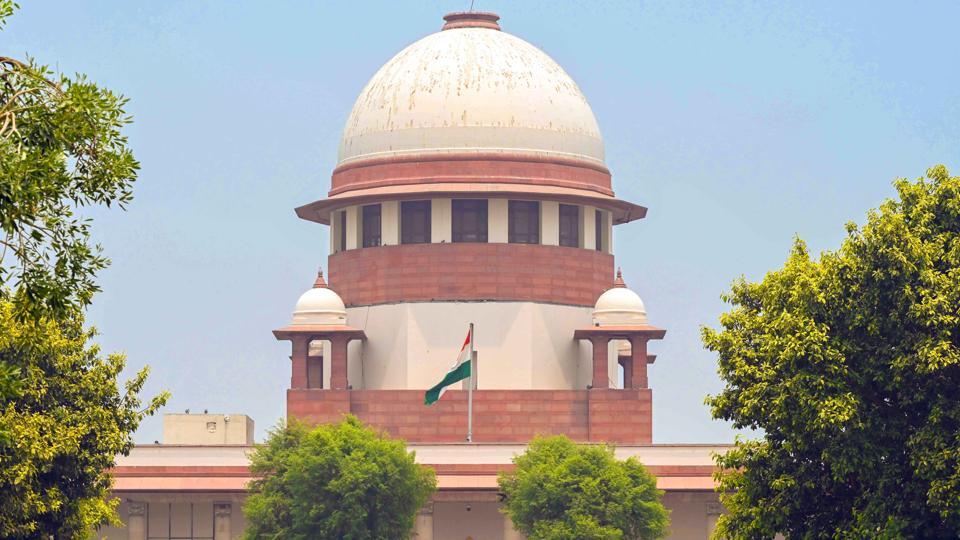
Seven out of the 10 bills relate to powers regarding the appointment of vice chancellors in several universities across Tamil Nadu being vested with the state and instead of the governor.
While the DMK government has accused the governor of acting in the interests of the BJP-led Union government, Ravi has claimed that the 50-years of Dravidian parties rule in Tamil Nadu has destroyed the state.
The governor has supported central programmes and schemes which the DMK has opposed such as the National Education Policy, 2020, the three language formula, and the National Eligibility cum Entrance Test (NEET).
The DMK initially wanted the governor to be recalled saying that he was stalling the functioning of the government. “He should be the Governor and the DMK will grow further,” Stalin said in the assembly in January, adding that Ravi was indirectly campaigning for them in the elections with his actions.
Besides these 10 bills in specific, there has been a tug of war between the governor and the DMK government in general on the matter of including a UGC nominee in the search committees to finalise a vice-chancellor.
Though the universities are funded by state government, the governor, as the chancellor of state-run universities, gets the power to appoint the vice chancellors. Because of this standoff, five universities in Tamil Nadu have remained without any chancellor – Anna University, University of Madras, Bharathiar University, Madurai Kamaraj University, and Tamil Nadu Teacher Education University.
Ever since Ravi entered Tamil Nadu’s Raj Bhavan on September 18, 2021, he has been at loggerheads with the DMK who formed the government in May 2021.
They clashed over multiple issues ranging from Ravi renaming Tamil Nadu in his official invite as “Tamizhagam” to him keeping bills pending leading the government to move the Supreme Court in November 2023.
Earlier that month, on November 10, the governor had returned the 10 bills to the government. The Tamil Nadu legislative assembly, convened on November 18 in a special sitting, adopted these 10 bills again and sent them to the governor for assent. The governor in turn referred all 10 Bills to the President.
Ravi had dismissed minister Senthil Balaji from the cabinet in 2023 after he was arrested by the Enforcement Directorate in an alleged money laundering case without recommendation of the state government. Ravi had to recall his order after legal experts termed it a violation of the Constitution.
He also refused to administer the oath of office to minister K Ponmudy saying that it is against “constitutional morality” in 2024 as Ponmudy was reinstated after his conviction in a corruption case was overturned. The DMK government moved the apex court and the top court gave a day’s time to the governor to set right his “constitutionally illegal conduct” or face an order from the court asking him to follow the Constitution.
There was no immediate reaction from the Tamil Nadu Raj Bhavan on the verdict of the top court. Raj Bhavan secretary Kirlosh Kumar did not respond to HT’s calls and text messages for a comment.
Legal experts also welcomed the verdict.
Former Madras high court judge justice K Chandru said: “The governors of the southern states were going overboard and stopping every move of the government so the verdict was expected and helps the functioning of these governments.”
Senior advocate and DMK MP P Wilson, who was among the senior counsels representing Tamil Nadu in the top court, said the governor will cease to be the chancellor of universities. “There is nothing legally wrong with that,” justice Chandru said. “The state legislation made the governor the chancellor and state legislations can make the chief minister a chancellor. Governors were behaving like universities were a separate bloc. They may now use reprisals like using the UGC to stall appointments of VCs.”
The BJP did not react. BJP vice President Narayanan Thirupathy did not respond to HT’s calls and messages.


