
 E-Paper



Nitin Gadkari’s pilot project for Nagpur: ‘Air-plane like seating, bus hostess’
Nitin Gadkari talked about India's concern over pollution, highlighting government's focus on promoting clean energy for both personal & public transportation.

 Prefer HTon Google


Union Minister of Road Transport and Highways Nitin Gadkari, announced on Tuesday that a pilot project is underway in Maharashtra's Nagpur involving a 132-seater bus with airplane-like seating and a “bus hostess”. The bus will operate on non-polluting energy sources and is expected to be more cost-effective than regular diesel buses. Gadkari also talked about India's growing concern over pollution, highlighting the government's focus on promoting clean energy for both personal and public transportation.
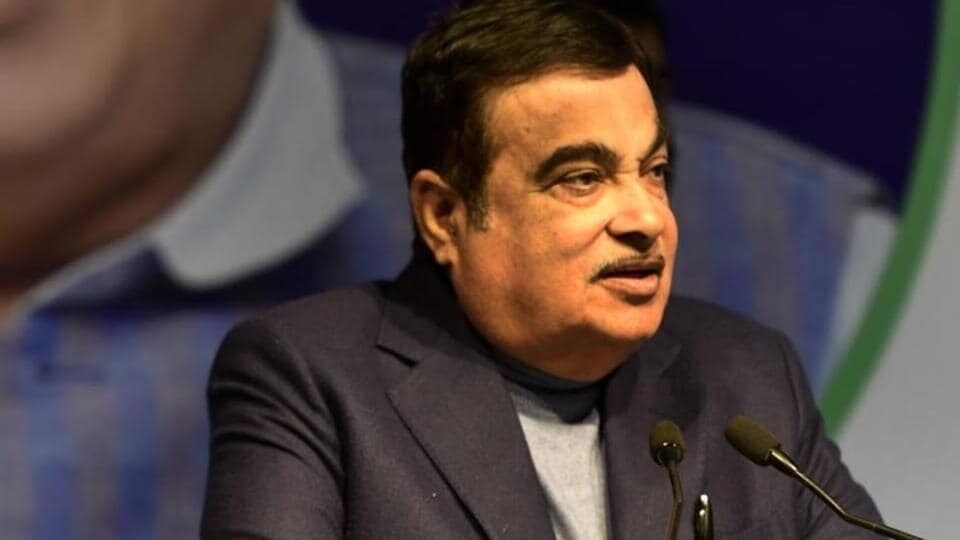
In an interview with NDTV, Gadkari expressed the government's ambition for India to transition from being a net energy importer to becoming a net energy exporter.
Here are the govt's measures that Gadkari mention to tackle pollution
- The Union minister highlighted pollution as India's foremost issue, particularly in cities like Delhi, stressing on the need for indigenous, cost-effective, and pollution-free transport solutions. Initiatives like electric vehicles, 300 ethanol pumps by Indian Oil, and flex vehicles aim to reduce reliance on petrol priced at ₹120 per litre, proposing a blend of electricity and ethanol at ₹60 per litre.
- Focus is also on reducing public transportation costs, citing diesel bus operation costs at ₹115/km versus ₹41 for AC electric buses and ₹37 for non-AC ones with subsidies, potentially reducing ticket prices by 15-20% without subsidies.
- In Nagpur, a pilot project with Tata involves a 132-seat electric bus traveling 49 km on a ring road, recharging in 40 seconds at stops every 40 km. Cost projections range between ₹35-40 per km, aiming for comfortable seating, air-conditioning, and amenities akin to air hostesses providing food and beverages.
- Innovations include construction equipment and tractors running on 50% ethanol and 50% CNG, benefiting farmers by increasing income and reducing pollution.
- Gadkari also acknowledged petroleum minister Hardeep Puri's collaboration saying Indian Oil initiated a project producing 1 lakh liters of ethanol and bio bitumen from stubble, nearing completion along with 76,000 tonnes of bio aviation fuel.
- Waste management efforts include reducing landfill heights in Delhi and Ahmedabad, converting sewage water into power generation, and utilising organic waste for bio CNG, bio LNG, or hydrogen production.
- Future plans encompass drones, ropeways, and funicular railways in mountainous regions like Uttarakhand, Himachal, and Ladakh to mitigate pollution.
- A major announcement was also made on GPS-based tolling, which is set to be implemented on 5,000 km of roads within three months. This will ensure accurate tolling based on distance travelled without stopping, deducted directly from bank accounts.
- Gadkari emphasised his vision for a green revolution in agriculture, welcomed investments in rupees to avoid currency fluctuations, and promoted financial stability for infrastructure projects.


