
 E-Paper



No delay in hearing, no need to mention matter repeatedly: Supreme Court on Bilkis Bano case
The Supreme Court on Wednesday took exception to the counsel for Bilkis Bano frequently demanding an urgent listing of her plea challenging the Gujarat government’s decision to grant remission to 11 people.


The Supreme Court on Wednesday took exception to the counsel for Bilkis Bano frequently demanding an urgent listing of her plea challenging the Gujarat government’s decision to grant remission to 11 people convicted for gang-raping her and murdering her family members during the 2002 Gujarat riots.
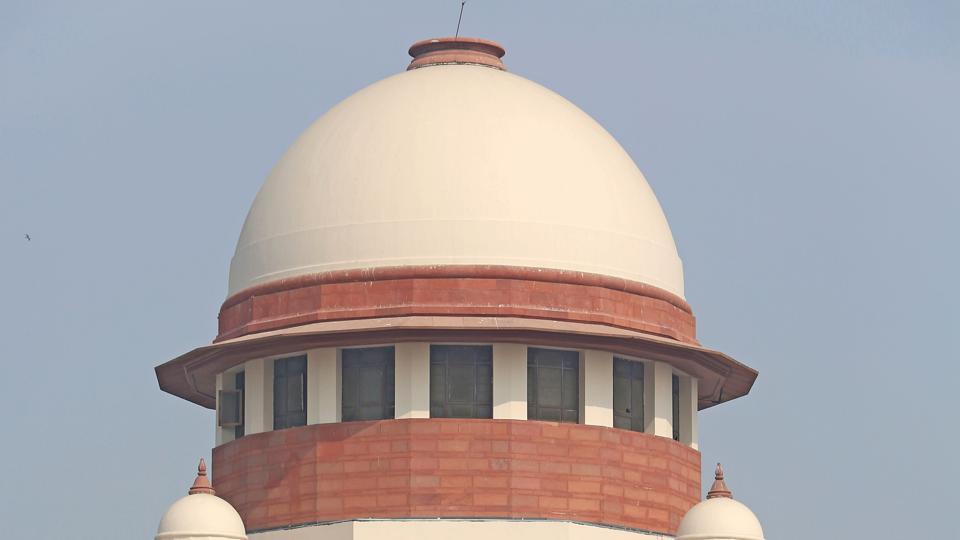
Chief Justice of India (CJI) Dhananjaya Y Chandrachud pointed out that there was no delay by the court in listing Bano’s petition and that there is no reason to repeatedly mention the plea for one reason or another.
When Bano’s lawyer Shobha Gupta tried to make submissions regarding listing of the plea, the CJI said that the case had already been listed on Tuesday and there was no reason to mention it again even though one of the judges on the bench had recused from the matter.
“The writ will be listed. Don’t keep mentioning the same thing again and again. It becomes very irritating,” said justice Chandrachud, who had to examine almost 100 matters to be mentioned by lawyers for fixing a date of hearing.
Gupta, appearing for Bano, said that the petition was listed on Tuesday but it was not taken up since one of the judges on the bench recused.
“So what? Please, don’t keep mentioning again and again. It will be listed. Review (petition) was also circulated yesterday,” responded the CJI.
Bano moved the Supreme Court last month against the Gujarat government’s decision to allow the 11 men, sentenced to life in 2008 for her gang-rape and murder of seven family members, to walk out of jail on remission.
Through two separate petitions, Bano also sought a review of the Supreme Court’s May order by which the state government was directed to consider the convicts’ plea for premature release in accordance with the 1992 policy – the one prevalent on the date of their conviction. While the existing remission policy of 2014 of the Gujarat government prohibits early release of rape convicts, no such restrictions were there in the 1992 policy.
Both the petitions were listed in the top court on Tuesday. The fate of the petition is not known since the review pleas are considered by judges in their chambers and the order on Bano’s petition is yet to be released on the court website.
Her writ petition came up before a bench of justices Ajay Rastogi and Bela M Trivedi on Tuesday but the latter recused from hearing the case. Justice Rastogi’s bench is already seized of a clutch of petitions filed against the August 10 order of the Gujarat government granting the benefit of remission to the 11 convicts under the 1992 policy. While Bano approached the court in the last week of November, the earlier petitions were filed by former CPI MP Subhashini Ali, journalist Revati Laul, professor Roop Rekha Verma and TMP MP Mahua Moitra, among others.
Bano was 21 years old and five months’ pregnant when she was gang-raped while fleeing the violence during the 2002 Gujarat riots, and her three-year-old daughter was one of the seven people killed.
The 11 men were released on August 15 after one of them, Radheshyam Shah, approached the Supreme Court in April seeking remission, arguing that they had spent over 15 years in prison in the case.
Earlier, replying to the petitions pending in the court, the Gujarat government filed its affidavit on October 17, disclosing that the Union ministry of home affairs had also approved the early release of the convicts while the state took into account their “good behaviour” as a key reason to grant remission.
The affidavit submitted by the state government on Monday also revealed that remission was granted in August despite objections from the trial court judge who convicted the 11 men, and the Central Bureau of Investigation, which investigated and prosecuted the case in Mumbai following the 2004 apex court order shifting the trial outside Gujarat.
In her petition challenging the grant of remission, Bano contended that the gravity of the crime and the observations made by the subordinate courts about the abhorrent nature of the offences disentitled the convicts from the benefit of early release.
Her review petition, on the other hand, demanded a reconsideration of the May order of the top court which turned out to the basis of releasing the convicts under the old policy. Bano said the competent government to consider the convicts’ pleas for remission was the Maharashtra government and not the Gujarat government since the trial took place in Maharashtra’s Mumbai. The review petition maintained that under the Maharashtra government’s remission rules, the convicts could not be granted the benefit of early release.


