
 E-Paper



Odisha governor’s ‘grievance redressal’ meets cause furore
Soon after visiting Angul and Dhenkanal districts between December 5 and 7, Das wrote to Patnaik, flagging rising pollution as well as the menace posed by elephants

 Prefer HTon Google


Nearly two months after he became the governor of Odisha, the actions of former Jharkhand chief minister Raghubar Das seems to be causing disquiet in Biju Janata Dal with his hearing of grievances during district visits.
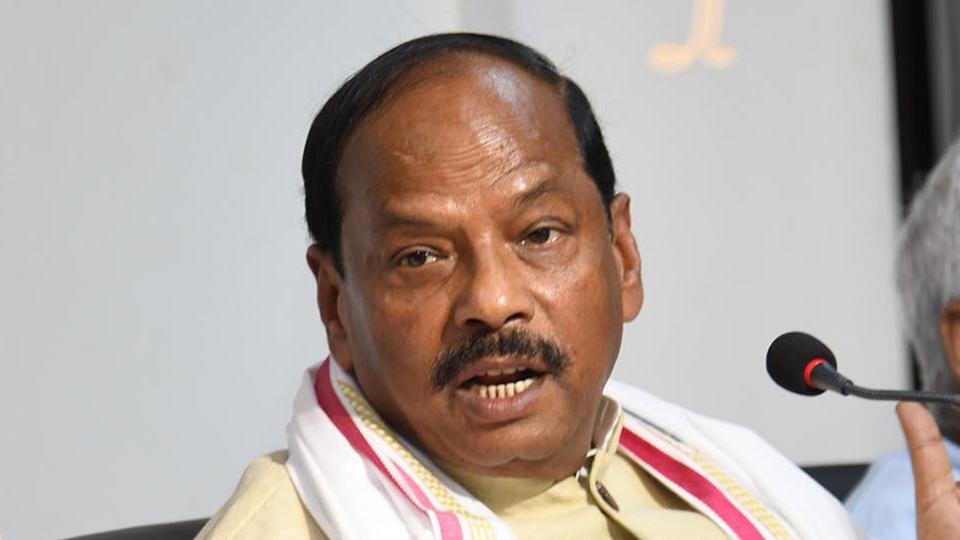
Das, who took oath as 26th governor of Odisha on October 31, started off tepidly by visiting chief minister Naveen Patnaik at the latter’s residence, breaking protocol that opposition Congress alleged was part of a deal between the ruling Biju Janata Dal and the Bharatiya Janata Party.
But since then Das has taken a divergent position, as he has been visiting districts to hear grievances of the people as well as write letters to Patnaik, drawing his attention to governance issues.
Soon after visiting Angul and Dhenkanal districts between December 5 and 7, Das wrote to Patnaik, flagging rising pollution as well as the menace posed by elephants.
“During my interaction with them (people), they have brought out various issues pertaining to them… which may kindly be considered by the state government for appropriate action. People brought to my notice the water pollution caused by mining operations of Mahanadi Coalfield Limited (and) its adverse impact on the health of the local residents. The groundwater level in the area has also been getting depleted. The people also said that no meeting of the Rehabilitation and Periphery Development Advisory Committee has been held in the last two years. As a result, the grievances of the people in the area are not being redressed. My attention was also drawn to the huge loss caused to the farm sector due to the elephant menace. The Forest department has not been taking any steps to tackle the jumbo menace,” Das wrote.
Last week, during his visit to Sambalpur district, he went to a urban health centre, where he discussed the problems with the medical officer and health workers. “The governor visited Dhanakauda UHC today. He interacted with doctors and paramedical staff. There was another interaction programme with the patients to take feedback from them about the health care at the centre,” said Purnachandra Sahu, chief district medical officer, Sambalpur.
In Sambalpur, while hearing the grievances of farmers in paddy procurement, Das said the free rice that was being given to the poor was a great step by the central government. “The Modi government is giving the free rice to over 80 crore people so that no one sleeps hungry,” he said.
On Wednesday, while visiting Jharsuguda district, he expressed anger over a husband of a woman village chief running the show on her behalf.
While visiting Bargarh district on Wednesday, he stopped his motorcade to meet farmers and heard their grievances, while in Rayagada district, he offered ₹25,000 in financial assistance to a woman named Lalita Bidika. In Malkangiri district, he gave ₹1 lakh to a tribal girl who wanted to become a civil service officer.
Though it’s still early days, a senior BJD leader said the visit by Das to hear the grievances of people just ahead of the election next year was not a good sign. “He is a constitutional figure and there are certain rules, which he need to adhere to while holding the office of governor,” a BJD leader said, declining to be named. “His writing letter to the chief minister and meeting people to hear their grievances seem to be political.”
Das by his actions could be proving himself to be an agent of the central government, another BJD leader said. “The governor can visit districts, but he can let the grievance redressal meetings a miss,” the second leader said, seeking anonymity.
BJD spokesperson Lenin Mohanty declined to comment on the issue.
The opposition BJP and Congress criticised the state’s BJD government and alleged that the governor’s findings in the two districts were just the tip of the iceberg.
“The entire state is facing a similar situation,” said BJP leader Mohan Charan Majhi. Former state Congress president Jaydev Jena said the BJD government’s claim of transformation in different sectors seemed to be hollow. “The governor’s visits have revealed the truth behind the development taking place in the state,” he said.
Incidentally, Das recently sought for appointment of Santosh Satpathy, former IAS officer and first special secretary to Naveen Patnaik, as his chief advisor on tribal issues as well as other important matters. He also forwarded the names of educationist Shukla Mahanty and Subrat Mohanty as advisors on matters of education and media.



