E-Paper



Odisha revises Maoist surrender scheme, introduces stringent eligibility criteria
The move comes amid concerns that the earlier scheme lacked clear eligibility safeguards, and risked becoming a magnet for rebels from other states

 Prefer HTon Google


The Odisha government has revised its surrender and rehabilitation scheme for Maoists, introducing stringent eligibility criteria in a departure from the broad welfare approach announced in November last year. The new policy notified on Monday restricts benefits exclusively to surrendered Maoists, who were active within Odisha or are the state natives.
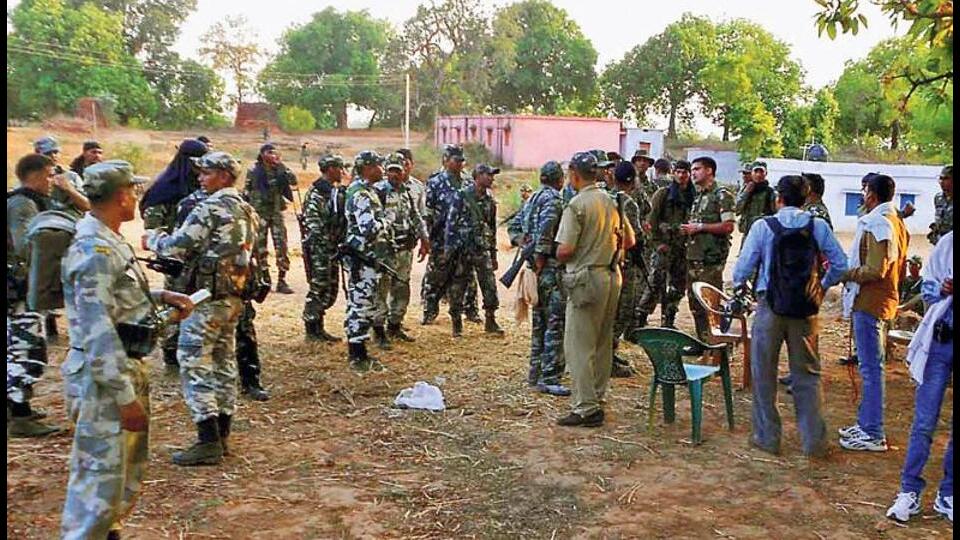
The move comes amid concerns that the earlier scheme offered better financial packages than those in neighbouring Chhattisgarh, lacked clear eligibility safeguards, and risked becoming a magnet for rebels from other states seeking to exploit higher financial payouts.
Officials said the November 2025 policy inadvertently created conditions where Maoists with no operational ties to Odisha could surrender purely to access superior rehabilitation packages.
“The absence of robust eligibility criteria risked turning the programme into a reward mechanism rather than a genuine de-radicalisation effort,” said an official. “We needed to ensure that only those who were genuinely involved in Maoist activities within Odisha benefit from the scheme.”
Under the revised guidelines, Maoists, who are not natives of Odisha but are involved in Left Wing insurgent activities within the state, will be considered eligible. Odisha natives active outside the state can surrender if concerned police superintendents certify their involvement and a no-objection certificate is obtained from the states where they were active, confirming they have not received rehabilitation benefits there.
The policy revised in November last year divided surrendered Maoists into Category A, comprising higher-ranked members, and Category B, covering middle and lower-ranked cadres. The financial assistance ranged from ₹5 lakh for Category A and ₹2.5 lakh for Category B. Additional incentives included compensation for surrendered weapons, ranging from ₹4.95 lakh for a light machine gun to ₹55 per ammunition round.
After the announcement of the policy in November, 45 Maoists surrendered, limiting Maoist presence to the trijunction area of Kalahandi, Kandhamal, and Rayagada districts. Shukru, a state committee member, is the biggest leader active in Odisha among about 40 odd cadres.
Nineteen Maoists surrendered in Odisha this month. Officials expected more surrenders as the Union government’s March deadline to end Maoism nears.
In 2006, the Odisha government first announced its surrender and rehabilitation policy. At least 610 Maoists have since surrendered. Under the new policy, the state government has introduced a flat 10% increase in bounty amounts compared with Chhattisgarh.