E-Paper



Odisha to begin SIR next month, wrap it up by January 7: Election official
The state’s top election official also said the number of polling booths across the state would be increased from 38,000 to 45,000.

 Prefer HTon Google


Odisha will start working on the special intensive revision (SIR) of the electoral rolls from next month, the first such exercise in the state after 2002, the state’s chief electoral officer R Sant Gopalan said on Monday.
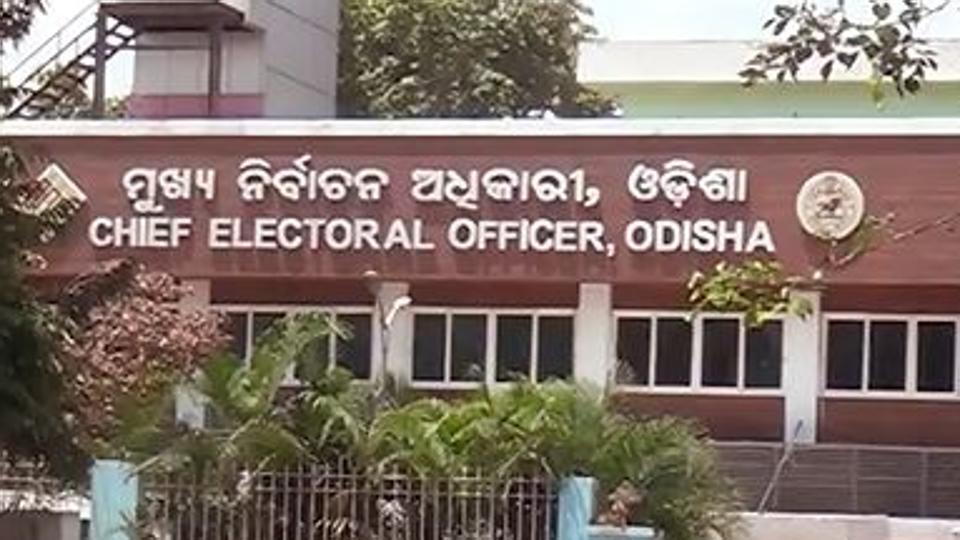
Gopalan said the final voter list would be published on January 7 next year.
“The SIR will start from next month and the revsied list would be out in January. The revised list can be delayed as per ECI directions,” he said.
The state’s top election official also said the number of polling booths across the state would be increased from 38,000 to 45,000.
Since 2002 when the last such exercise was carried out, the electoral rolls have undergone annual summary revisions, which do not involve door-to-door verification.
The upcoming SIR could be a crucial effort to ensure that no eligible voter is left out, and no ineligible person remains on the rolls, he said.
The SIR process includes house-to-house visits, verification of voter eligibility, rationalisation of polling stations and strengthening of the voter list to eliminate inaccuracies.
Monday’s announcement comes against the backdrop of a continuing controversy in Bihar over the exercise ahead of state elections later this year. The SIR in Bihar, also undertaken state-wide for the first time in two decades, has excluded nearly 6.5 million names from the draft roll published on August 1.
The exercise was also challenged in the Supreme Court in July. On August 14, the top court directed EC to publish details of about 6.5 million voters deleted during the SIR. The court also stressed that transparency was essential and set August 19 as the deadline for compliance, with a review due on August 22.
According to the 2024 list of voters, Odisha has 33.2 million voters, including 16.8 million men and 16.3 million women. Among the voters, there are 680,000 senior citizens, 9,060 people, aged over 100 years, 457,000 persons with disabilities (PwD) voters, 754,000 voters aged 18-19 years and 3,380 third gender voters.
According to EC directions, people whose names were not recorded in the 2002 electoral roll will have to submit documents prescribed by the Commission to establish their eligibility for voter enrolment. In the Bihar case, the Supreme Court told EC to accept Aadhaar card as well.
The state government has already instructed all departments and district collectors to ensure that no post designated as district election officer (DEO), electoral registration officer (ERO), or assistant electoral registration officer (AERO) is vacant during the revision period. No transfers of officers holding these posts would be made without the prior approval of the Election Commission.
Asked about the objections raised by BJD on polling number mismatch in 2024 Lok Sabha and Assembly polls, Sant Gopalan said replies have already been given to objections raised by the Congress and the BJD.
“Let us not shake public trust. Baseless allegations could undermine the credibility of the Election Commission,” he said, adding that detailed clarifications were provided twice to BJD on their allegations.