Over 51.3% respondents from the community reported of severe stigma attitude towards those diagnosed with Covid-19, and among Covid recovered it was 38%, show results of a quantitative study project conducted by one of the Indian Council of Medical Research (ICMR) institutes, which is the first such project that quantifies the level of stigmatisation Covid positives had to face during the initial phase of the pandemic.
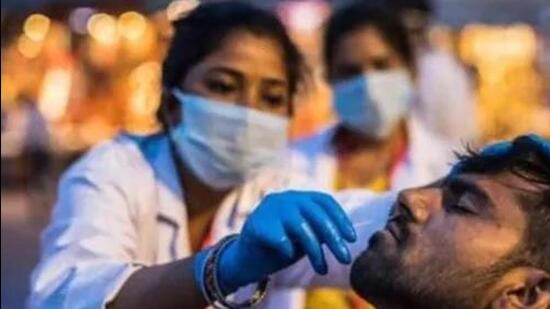
Odisha was among the worst affected states with 56% of the recovered saying they experienced severe stigma, followed by Delhi (47.6%), Madhya Pradesh (44.6%), Maharashtra (40%).
The researchers categorised the respondents into no or mild, moderate and severe stigma cases.
Also, 80.5% recovered from the viral disease reported to have experienced at least one form of stigma, according to the survey.
Also Read: Covid-19 in U.P.: 387 new cases, 544 recoveries
And 1/3 (34%) Covid recovered didn’t know about the cause and 40% were not aware about the correct mode of transmission.
The National Institute of Medical Statistics (NIMS) decided to conduct the study after Covid-19 pandemic triggered stigma and discrimination against people infected with or vulnerable to Sars-Cov-2 virus such as health care and frontline workers, due to the unpredictable nature of the disease, dearth of reliable information about its transmission and prevention and fear of contracting it in the initial phase of the pandemic.
The multicentric mixed methods study was conducted in collaboration with six ICMR institutes and Tata Institute of Social Sciences (TISS), Mumbai, in 18 districts located in seven states of India.
{{/usCountry}}The multicentric mixed methods study was conducted in collaboration with six ICMR institutes and Tata Institute of Social Sciences (TISS), Mumbai, in 18 districts located in seven states of India.
{{/usCountry}}After obtaining informed consent, data were collected telephonically from individuals who had recovered from Covid-19 and adults from the community who were not infected till the time of data collection.
The study was conducted between August 2020 and February 2021.
According to researchers, information on social demographic characteristics, Covid-19 knowledge and risk perceptions, and stigma were collected using structured interview schedule interview schedule from 2281 respondents (1978 from within the community and 303 recovered from Covid-19).
“Additional insights on experiences and perception of prevailing stigma attitudes were elicited from 221 respondents (83 covid recovered and 138 from within the community) using in-depth interview guides. Statistical analysis of quantitative data and thematic analysis of qualitative data were conducted,” said the researchers in a statement.
The mean age of the Covid-19 recovered respondents was 38.06 years— 41.6% were employed in the formal sector and 63% belonged to the urban area. The mean age of columnist respondents was 36.35 years with 32.8 being employed in the formal sector and 51% lived in rural area.
As for suggestions on ways to mitigate stigma against Covid-19, most respondents urged to avoid spread of fear and panic, sharing only authentic information, avoiding labelling any community for spread of the disease, and to avoid targeting health care and frontline workers.
Researchers duly obtained necessary ethical clearances from the ICMR-Central Ethics Committee on Human Research and Institute ethics review boards of all institutes before they embarked on the study.