
 E-Paper



IMCR issues fresh guideline for Type 1 Diabetes | What you must know
Over the past three decades, India witnessed a 150 per cent increase in the number of people with diabetes. The growing prevalence of pre-diabetes indicates 'a further increase in diabetes in the near future' the medical body said in its report.


India is home to the world's second largest population of adult diabetics, the Indian Council of Medical Research (ICMR) said Tuesday as it released new guidelines for Type 1 Diabetes management. According to ICMR, every sixth person diabetic in the world is an Indian. Over the past three decades, India witnessed a 150 per cent increase in the number of people with diabetes. The growing prevalence of pre-diabetes indicates 'a further increase in diabetes in the near future' the medical body said in its report.
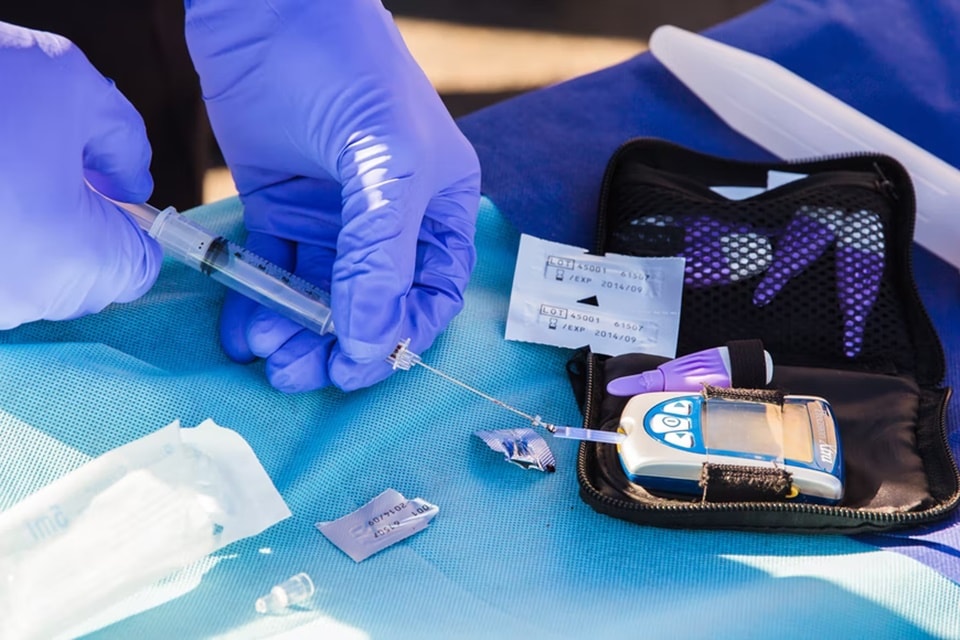
Here is what the new guidelines on Type 1 Diabetes say:
> ICMR-recommended carbohydrate intake is 50-55 per cent of total calories. Fats should account for up to 30 per cent of total calories consumed on a daily basis. Protein should account for 15-20 per cent of total calorie consumption.
> Salt intake should be reduced to 2.5g per day for children aged one to three, 3g per day for children aged four to eight, 3.8g per day for children and adolescents aged nine years and above, and 6g per day for adults.
> Regular physical activity should be encouraged in individuals with Type 1 diabetes. Extra physical activity, however, may necessitate insulin changes on occasion. According to ICMR, lifestyle management (LSM) plays an essential role in managing Type 1 diabetes and understanding the effect of diet and physical activity on glycemia is essential for optimal management of the disease.
> When compared to the non-diabetic population, patients with Type 1 diabetes have a higher risk of morbidity and mortality from cardiovascular disease. Coronary artery disease, stroke and peripheral arterial disease are all examples of this. Cardiovascular events occur earlier in Type 1 diabetic patients than in the general population.
> All children and adults with Type 1 diabetes require insulin as soon as they are diagnosed and continuously thereafter throughout life.
For more on storage and injection of insulin, click here
> Insulin injection at the same place and frequent use of a blunt needle cause lipohypertrophy. Both the physician and the patient should inspect injection sites on a regular basis, especially if there is unexplained blood glucose variability.
> On blood glucose monitoring ICMR says young children - especially those with poor glycemic control - frequency of daily self-monitoring of blood glucose (SMBG) might range from four to six times per day.
> In youngsters with improved glycemic control, a more liberal SMBG of two-three times per day may be recommended.


