
 E-Paper



Pakistan activates ‘emergency measures’ for pharma needs amid trade halt with India after Pahalgam attack
The trade halt with India triggered "urgent measures to secure" pharmaceutical needs in Pakistan, a report said.

 Prefer HTon Google


Pakistan has started activating emergency measures for the country's pharmaceutical needs after the suspension of trade with India in the wake of the recent Pahalgam terror attack.
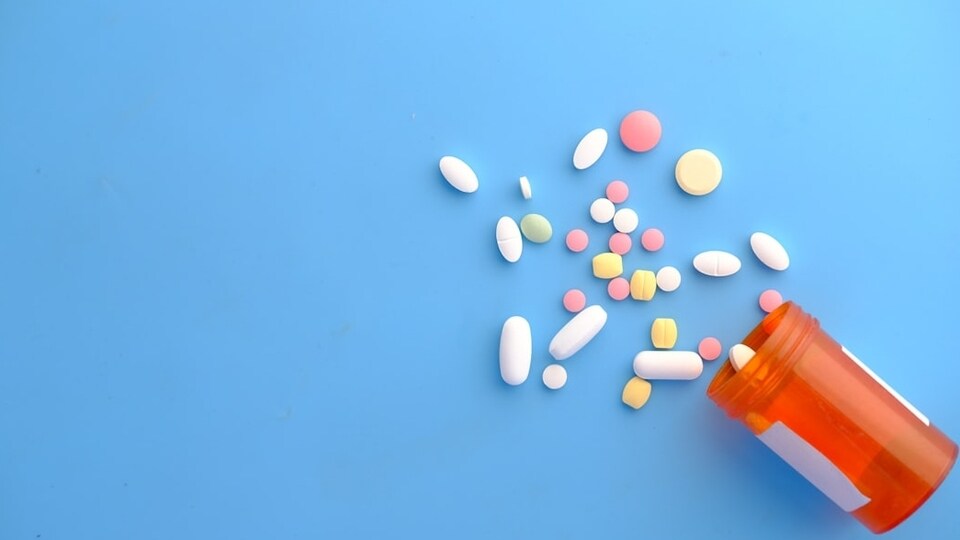
According to a report by Geo News, the Pakistani health authorities have initiated "emergency preparedness" measures to secure pharmaceutical supplies as the country's government suspended trade with its eastern neighbour in response to New Delhi's decision to suspend the Indus Waters Treaty.
As per the report, the trade halt with India triggered "urgent measures to secure" pharmaceutical needs in Pakistan, and health authorities have initiated "emergency preparedness" measures to secure the supplies.
The Drug Regulatory Authority of Pakistan (DRAP) has said that there has been no formal notification regarding the ban's impact on the pharmaceutical sector. But a DRAP official told Geo News that contingency plans are already in place since the 2019 crisis in the aftermath of the Pulwama attack.
"Following the 2019 crisis, we had started preparing for such contingencies. We are now actively looking at alternative avenues to meet our pharmaceutical needs," the report quoted the unnamed official as saying.
Pakistan’s reliance on India for its pharma needs
Pakistan relies on India for 30 to 40 per cent of its pharmaceutical raw materials, including Active Pharmaceutical Ingredients (API) and various advanced therapeutic products, PTI reported.
But the sudden suspension of trade with India means that this supply chain now stands disrupted. Thus DRAP is seeking alternative sources from China, Russia, and several European countries.
The agency aims to ensure the continuous availability of essential medical supplies, including anti-rabies vaccines, anti-snake venom, cancer therapies, monoclonal antibodies, and other critical biological products.
Industry insiders and health experts have warned of a looming challenge, despite DRAP's preparedness offering some reassurance. According to experts, if immediate action is not taken to manage the fallout of the trade suspension, it could create a problem for the country.
"Pakistan imports some 30%–40% of its pharmaceutical raw material from India. We also import finished products, most importantly, anti-cancer therapies, biological products, vaccines, and sera, especially anti-rabies vaccine and anti-snake venom from India," Geo News quoted a senior official from the Ministry of National Health Services, Regulations and Coordination as saying.
The ministry of health has yet to receive an official directive clarifying the status of pharmaceutical imports, despite the government's blanket announcement suspending all trade with India.
The pharmaceutical sector fears that disruption in the supply chain could lead to critical shortages.
The report added that the situation is further complicated by the existence of a robust black market, where unregistered and unapproved medicines are smuggled into Pakistan through Afghanistan, Iran, Dubai, and even across the eastern border.


