NEW DELHI: Prime Minister Narendra Modi is expected to visit China for the first time in seven years to attend the Shanghai Cooperation Organisation (SCO) Summit at the end of August, marking another step in the normalisation of bilateral ties after the end of the military standoff on the Line of Actual Control (LAC).
The trip to China for the SCO Summit, scheduled to be held in Tianjin on August 31 and September 1, is expected to be clubbed with a visit to Japan for the annual bilateral summit with Prime Minister Shigeru Ishiba, people familiar with the matter said on condition of anonymity.
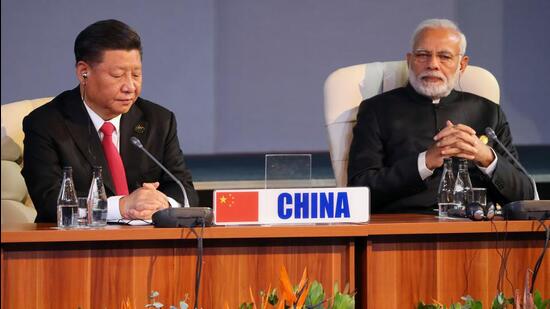
Modi last travelled to China in 2018 - first for an informal summit with President Xi Jinping at Wuhan in April that year and then for the SCO Summit at Qingdao in June - and this was followed by Xi’s visit to India in 2019 for the second informal summit that was meant to address the fallout of the Doklam standoff in 2017. Within months of Xi’s visit, bilateral ties plummeted to their lowest point in six decades following skirmishes between Indian and Chinese troops in the Ladakh sector of the LAC in April-May 2020 and bloody clashes in Galwan Valley in June that killed 20 Indian soldiers and at least four Chinese troops.
The two sides reached an understanding on October 21, 2024 on ending the LAC standoff, and this was followed two days later by a meeting between Modi and Xi in the Russian city of Kazan, where they agreed to revive several mechanisms to normalise relations and address the boundary dispute.
{{/usCountry}}The two sides reached an understanding on October 21, 2024 on ending the LAC standoff, and this was followed two days later by a meeting between Modi and Xi in the Russian city of Kazan, where they agreed to revive several mechanisms to normalise relations and address the boundary dispute.
{{/usCountry}}Modi’s visit will set up the possibility of a bilateral meeting with Xi, the people said. Among the issues that could be discussed at this meeting are further steps to normalise relations, including de-escalation on the LAC, the resumption of direct flights, reopening of border trade points, and people-to-people exchanges, they said.
Over the past few months, there have been meetings between the foreign and defence ministers and senior diplomats of the two countries, as well as the Special Representatives on the border issue, National Security Adviser Ajit Doval and Chinese foreign minister Wang Yi. These meetings have resulted in a few confidence-building measures such as the resumption of the Kailash Mansarovar Yatra and tourist visas for Chinese nationals.
However, India continues to have concerns related to Chinese activities in several spheres, including the start of the construction on what will be the world’s largest hydropower dam on the upper reaches of the Brahmaputra river and Beijing’s active assistance to Islamabad during the clashes between India and Pakistan in May, the people said.
The Indian side has also raised with China restrictions on exports of rare earth materials and fertilisers. At his last meeting with Wang Yi in Beijing in July, external affairs minister S Jaishankar said India and China must build on “good progress” in normalising their ties by addressing issues related to the border, including de-escalation, and avoid “restrictive trade measures and roadblocks” to economic cooperation.
There is, however, an element of uncertainty linked to the PM’s planned visit to Japan because of the growing pressure on Ishiba from within his Liberal Democratic Party to resign following three election defeats, including the loss in the July 20 elections to the upper house of Japan’s Parliament. Ishiba has resisted calls to resign and said that he will remain as both party president and prime minister.
The people said Modi is expected to travel to Japan before his visit to China for the annual summit with Ishiba. Trade, including concerns of Japanese firms active in India, security issues and the situation in the Indo-Pacific are expected to figure in the bilateral summit, the people said.