E-Paper



Red, blue, amber beacons: The many shades of India’s VIP culture
A look what the norm was on red beacons before the government ordered the ban on it from all VIP vehicles on Wednesday.


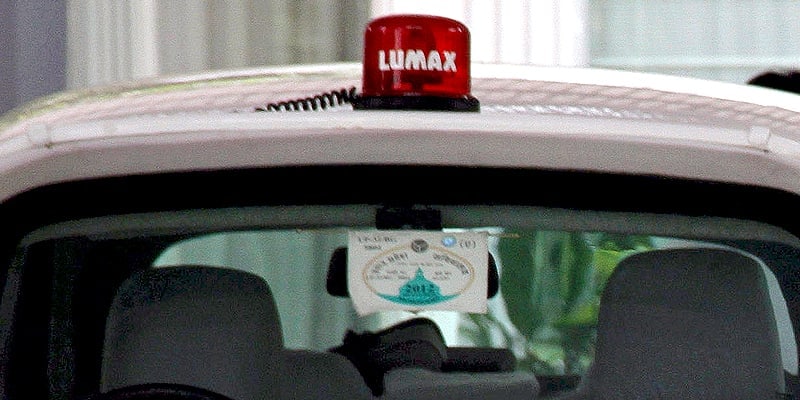
The ‘lal batti’ can work wonders in India: Traffic gets cleared, toll plaza barriers are lifted and duty officers smarten up to salute. But, come May 1, the colour Red loses its magic.
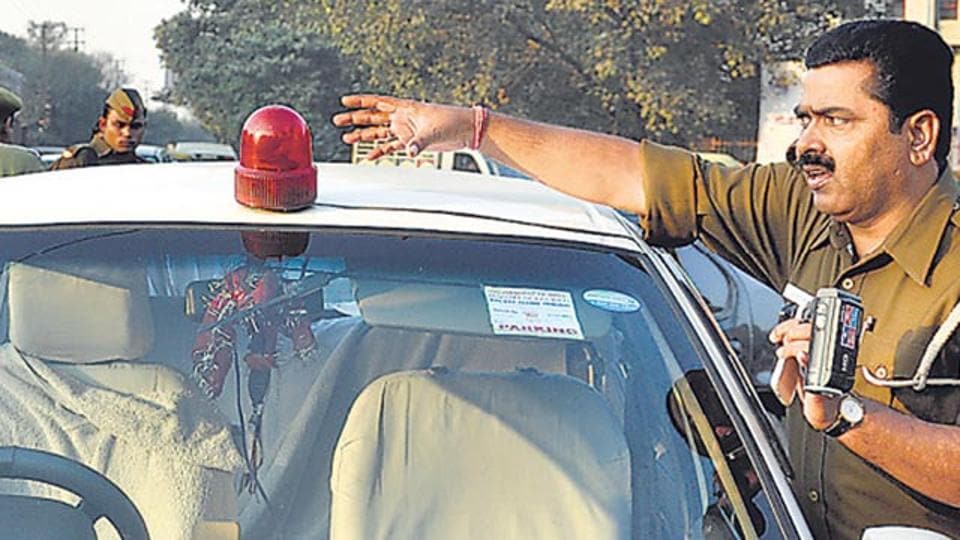
The government has decided to ban the use of all beacons – red, amber, blue, yellow, white – atop vehicles of dignitaries and government officials, including the Prime Minister and the president. The ban extends to the vice-president, the Chief Justice of India, Union ministers, chief ministers, state cabinet ministers, bureaucrats and judges of the high court and Supreme Court.
Such is the fetish with beacons that giving them up is made to appear like the ultimate sacrifice. The Aam Admi Party was the first off the block to ban beacons on VVIP cars in 2014, followed by Punjab chief minister Amarinder Singh who put an end to the beacon culture in one of the first orders on taking over office this year. The unease among his ministers was such that richest legislator and power minister Rana Gurjit Singh complained, “We worked very hard for it for many years, and now you say remove it.”
Uttar Pradesh chief minister Yogi Adityanath went halfway to ban sirens but retained the ultimate status symbol. He, however, took dozens of retired bureaucrats and politicians off the privilege list.
But, will VVIP culture go with the beacon lights? One needs to wait and watch.