
 E-Paper



Remission was legal, but was it just: Judge who convicted Bilkis’s rapists
Retired justice Umesh Salvi was a special judge in the Mumbai city civil and sessions court in 2009 when he sentenced 11 men to life imprisonment for raping Bano and killing seven members of her family, including her three-year-old daughter


The Gujarat government should have been sensitive while considering the remission of sentence of 11 men convicted of raping 2002 Gujarat riots victim Bilkis Bano and murdering seven members of her family, said the judge who sentenced the men to life imprisonment in 2008, adding that the felicitation of the convicts after the remission was in bad taste.
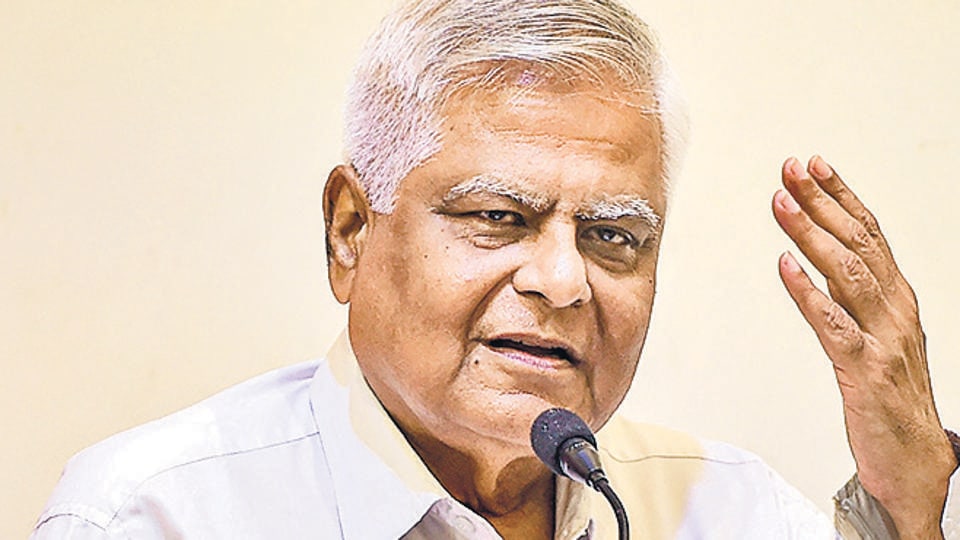
Retired justice Umesh Salvi was speaking at a solidarity meeting on Tuesday organised in Mumbai by United Against Injustice and Discrimination, a coalition of civil society groups.
Also Read| Bilkis convicts’ release case reaches top court
Salvi was a special judge in the Mumbai city civil and sessions court in 2009 when he sentenced 11 men to life imprisonment for raping Bano and killing seven members of her family, including her three-year-old daughter. Bano was fleeing the violence when she was gang-raped. She was 21, and five months pregnant at the time. Their conviction was upheld by the Bombay high court.
But the remission of the convicts’ sentences earlier this month by the Gujarat government sparked widespread condemnation from legal experts and activists. Many pointed out that the 1992 policy, under which the men were released, was at odds with the state’s 2014 policy and the Centre’s guidelines, which bars such relaxations in cases investigated by the Central Bureau of Investigation (CBI) and for heinous crimes such as murder and rape.
“The case had to come in front of me when I was a Sessions court judge. All due legal processes were followed before the conviction was reached, and all of it is on record,” said Justice Salvi.
Also Read| Convicts’ release shows they were reformed, says cop who probed Bilkis Bano case
After the conviction was made by the court, it was in the government’s hand to carry out the sentence and they also have the discretion to remit the convicts, he added. “The state has the right to grant remission. It’s a power given to the state under law...but it should have been sensitive while taking that decision,” he said.
“While the remission was legal, was it just?” he added.
He also underlined some unanswered questions about the remission process, such as whether the Centre signed off on the process (a mandatory clause)
The government should have sought better legal understanding of the circumstances and the people involved, he said, adding that the “...the committee never consulted any legal professionals on the case, let alone those closely associated with it”.
The 11 men were released after one of them, Radheshyam Shah, approached the Supreme Court in April this year, seeking remission, arguing that they had spent over 15 years in prison.
Also Read| Wrong if accused are felicitated: Fadnavis on Bilkis rapists
“But their felicitation (by some people) was in absolute bad taste. The convicts themselves should not have accepted felicitation,” Salvi said to a question by reporters.
Bano has condemned the release, saying in a statement: “The release of these convicts has taken from me my peace and shaken my faith in justice. My sorrow and my wavering faith is not for myself alone but for every woman who is struggling for justice in courts.”
“I was bereft of words. I am still numb. Today, I can say only this - how can justice for any woman end like this? I trusted the highest courts in our land. I trusted the system, and I was learning slowly to live with my trauma,” she added.
“No one enquired about my safety and well-being, before taking such a big and unjust decision. I appeal to the Gujarat Government, please undo this harm. Give me back my right to live without fear and in peace....”


