
 E-Paper



SC orders binding rules to enforce 25% EWS quota across schools
The Supreme Court on Tuesday called the implementation of the 25% free seats quota for poor children in private unaided schools a “national mission” and directed governments to frame clear and enforceable rules under the RTE Act


The Supreme Court on Tuesday called the implementation of the 25% free seats quota for poor children in private unaided schools a “national mission” and directed governments to frame clear and enforceable rules under the Right to Education (RTE) Act to ensure that the mandate is actually followed on the ground.
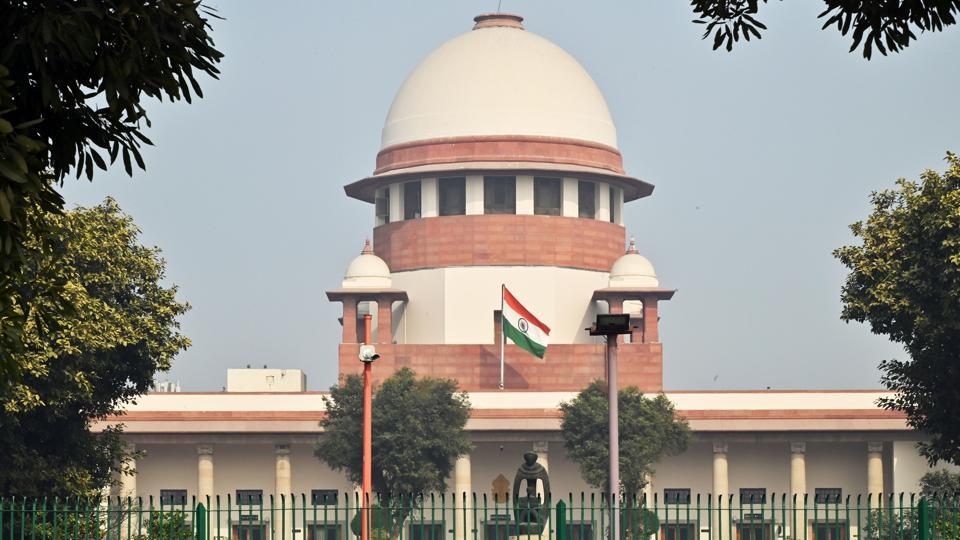
A bench of justices PS Narasimha and Atul S Chandurkar said that without proper rules, the promise of free and compulsory education under Article 21A of the Constitution risks remaining only on paper.
The court noted that while the National Commission for Protection of Child Rights (NCPCR) has issued a Standard Operating Procedure (SOP) for admissions under the 25% quota, it is only advisory in nature and not legally binding. This, the bench said, creates uncertainty for parents and makes it difficult for courts to hold schools accountable when children are denied admission.
“We are of the opinion that it is necessary and compelling to frame proper rules and regulations,” the court said, adding that without enforceable norms, the purpose of the RTE Act would become a “dead letter”.
Under the RTE Act, private unaided schools are required to admit children from economically weaker sections and disadvantaged groups for at least 25% of seats at the entry level, and provide them free education. The Supreme Court said this obligation has the power to fundamentally change Indian society if implemented sincerely.
The bench observed that when children from all backgrounds study together in neighbourhood schools, it breaks down barriers of caste, class and gender. “Earnest implementation can truly be transformative,” said the court, stressing that the law is not just about education but about equality, dignity and social justice.
It pointed out that the law deliberately requires such children to be admitted to neighbourhood schools, instead of being pushed into separate or segregated systems. This, they said, is a conscious constitutional choice to promote integration and fraternity among children at a young age.
The court added that the RTE framework makes it possible for a child of a multimillionaire to sit in the same classroom as the child of a street vendor -- something that gives real meaning to the constitutional idea of equality.
Expressing concern over the poor implementation of the 25% quota across states and Union territories, it said that governments and local authorities have failed to ensure that private schools comply with the law, even more than a decade after the RTE Act came into force.
Senior advocate Senthil Jagadeesan assisted the court as amicus curiae.
Calling elementary education a “positive right”, the bench said it creates clear duties for multiple stakeholders -- the government, local authorities, neighbourhood schools, parents and teachers. All of them, the court said, are duty-bound to ensure that children are not denied their right to education. The bench further said that courts also have a responsibility to ensure that parents who complain of denial of admission get quick and effective relief.
The top court directed state governments and UTs to frame proper rules and regulations under the RTE Act, in consultation with the NCPCR, state child rights commissions and advisory councils. These rules must clearly spell out how children from weaker and disadvantaged sections are to be identified, admitted and protected from discrimination.
The court also made the NCPCR a party to the case and asked it to monitor compliance across the country. The commission has been directed to collect information from all states and Union Territories on whether such rules have been framed, and submit a report to the court by March 31, 2026. The case will be heard again on April 6, 2026.
The case arose from Maharashtra where a parent approached the court after his children were denied free admission in a neighbourhood private school under the RTE quota. Using the case as an opportunity, the Supreme Court said the time had come to move beyond guidelines and ensure strict, uniform implementation of the law across the country.



