
 E-Paper



How mediation, a process to resolve disputes, happens
Mediation is an out-of-court method in which a neutral third party uses specialised communication and negotiation techniques to assist the people or entities in dispute to resolve the matter amicably.


Mediation is an out-of-court method in which a neutral third party uses specialised communication and negotiation techniques to assist the people or entities in dispute to resolve the matter amicably. The mediators can be former judges, advocates, or other people trained in mediation.
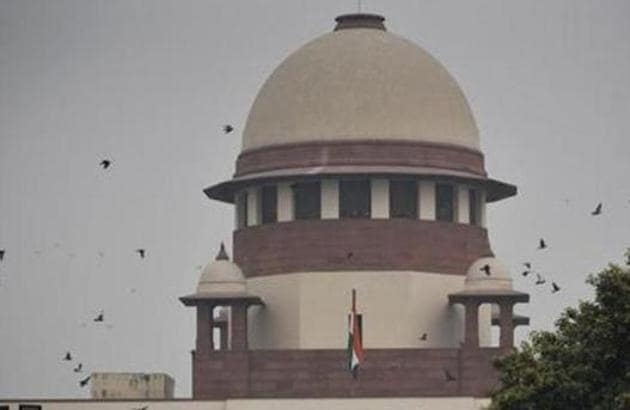
The role of mediators is to assist the parties to negotiate their own settlement. In some cases — where all the parties agree that they may do so — mediators express a view on what might be a fair or reasonable settlement. Mediation is an informal process that is confidential in nature. Statements made during mediation cannot be disclosed in any court proceedings or elsewhere without the written consent of all the parties.
The decision to settle and the terms of settlement in mediation always rest with the parties in dispute. This right of self-determination is an essential element of the mediation process. The parties also have control over the outcome. Any party may withdraw from mediation proceedings at any stage.
The time frame for mediation is decided either by the court or by the two sides. Any settlement reached in a case referred for mediation during the course of litigation is required to be written, signed by the concerned parties, and filed in court for an appropriate order to be passed.
Senior advocate Jaideep Gupta welcomed the decision, but pointed out that “...Mediation offers parties an opportunity to arrive at an extra-legal solution, a solution that is beyond the courts. It gives the parties a chance to think out of the box”.


