
 E-Paper



SC pushes for better infra for women in judiciary
The Supreme Court praised women's growing representation in the judiciary but stressed the need for better infrastructure to support women lawyers and judges.

 Prefer HTon Google


The Supreme Court on Friday lauded the growing representation of women in the judiciary, noting that nearly 60% of newly inducted judicial officers are women, and emphasised that the focus must now shift to upgrading infrastructure and facilities to enable women lawyers and judges to work efficiently.
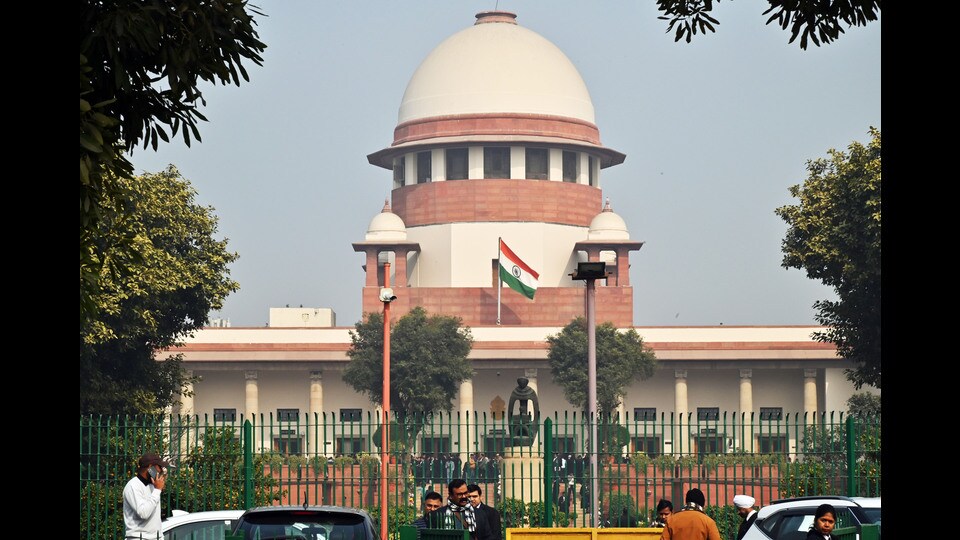
A bench of justices Surya Kant and Joymalya Bagchi made the observation while hearing a petition seeking the framing of a uniform, gender-sensitive policy for allotment of professional chambers and cabins to women advocates in courts and bar associations across the country.
Justice Kant, who is next in line to become the Chief Justice of India in November, remarked that women in law have excelled on their own merit without any reservation, pointing to the gender composition of the judicial service.
“In our judicial service, almost 60% of officers are women. They are there not because of any reservation...there is no preference for them. It is solely on merit. That’s why I find it a little bit paradoxical why you ask for any privilege?” observed the judge, adding that if preferential allocation were to be considered for women, similar thought must also be given to lawyers with disabilities.
However, the bench acknowledged that the challenge now lies not in representation but in creating an enabling environment, particularly through improved infrastructure such as chambers, workspaces, and family-support facilities.
It noted that the new Supreme Court building has been designed keeping in mind the evolving needs of the legal profession, and suggested that instead of the traditional system of chambers, there could be shared workstations, common sitting areas, and designated client meeting rooms.
Senior advocate Sonia Mathur, appearing for the petitioners, responded that chamber allotment was not a question of merit but an infrastructural necessity, and that the absence of such spaces disproportionately affects women advocates, many of whom balance professional commitments with family responsibilities.
Taking note of the submissions, the bench also suggested exploring court-annexed creche facilities and similar support mechanisms to help retain young women in the profession, as many are forced to quit practice due to lack of institutional support. “Like women, the reliefs sought may also have to be considered for lawyers with special needs,” Justice Kant added.
The bench ultimately issued notice to the Union government, the Supreme Court’s Secretary General, the Supreme Court Bar Association (SCBA), and the Bar Council of India, seeking their responses.
The petition, filed by eight women advocates through advocate-on-record Divyesh Pratap Singh, has sought reservation or prioritisation of chambers for women lawyers in future allotments. It has also requested the construction and priority allotment of professional spaces to women advocates with over 25 years of practice who remain on the SCBA’s waiting list.
The plea contends that despite practising for 15-25 years, many women lawyers have not been allotted any chamber under the current scheme, which lacks affirmative measures. It points out that recent allotments of 68 cubicles between July and October 2024 in the Supreme Court’s D Block were made without prioritising women, even though the top court had earlier called for such consideration.
Describing the existing system as one of “facially neutral yet outcome-inequitable procedures,” the petitioners said it fails to account for the structural disadvantages faced by women, particularly first-generation professionals from smaller towns and marginalised backgrounds. The absence of accessible professional space, they argued, directly impacts their constitutional rights.



