E-Paper



Parliament panel flags delays in Scheduled Caste scholarships, poor utilisation of OBC, minority welfare schemes
The panel was equally critical of the Free Coaching for SCs and OBCs scheme, which is intended to help economically disadvantaged students.

 Prefer HTon Google


A parliamentary standing committee has flagged persistent delays in scholarships for Scheduled Caste (SC) students, poor utilisation of a free coaching scheme for SC and Other Backward Classes (OBC) students, and gaps in the infrastructure and functioning of education facilities created in minority areas.
The Standing Committee on Social Justice and Empowerment, in its reports on action taken by ministries of social justice and empowerment and minority affairs regarding recommendations in March 2026 demands for grants reports, also questioned the slow rollout of mechanisms to protect SCs from atrocities and sought stronger monitoring of minority-development projects.
Committee “disheartened” with ministry
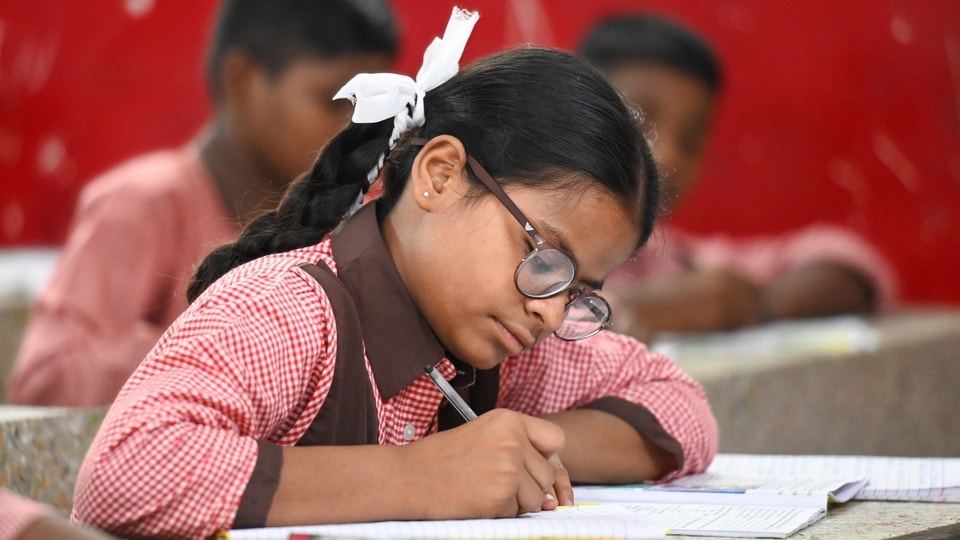
The committee said scholarship beneficiaries continue to face delays because some states take “a few months to a year” to complete verification and other formalities. It rejected the ministry’s explanation that the National Scholarship Portal (NSP) opens in June and states require time for verification before the Centre’s share can be released.
“The Committee are disheartened with the reply as they had expected the Department to find some solution to the persisting problem, but the students have again been left at the mercy of the States,” it said, reiterating that scholarships should be disbursed within the same academic year in which they fall due.
Also Read I 828 principal, vice-principal posts vacant in Delhi govt schools
Lapses in free coaching scheme
The panel was equally critical of the Free Coaching for SCs and OBCs scheme, which is intended to help economically disadvantaged students prepare for competitive examinations and gain admission to reputed higher education institutions. Against a target of 3,500 beneficiaries, only 223 students were covered in 2023-24—6.4% of the target. The figure improved to 2,136, or 61%, in 2024-25, but fell sharply to 431, or just 12.3%, in 2025-26.
The financial utilisation has also remained weak. Against a budget estimate of ₹47 crore in 2023-24, actual expenditure was ₹7.76 crore, or about 16.5%. In 2024-25, ₹17.68 crore was spent against ₹35 crore, or 50.5%. In 2025-26, actual expenditure stood at ₹7.11 crore against a ₹20 crore allocation, or about 35.6%.
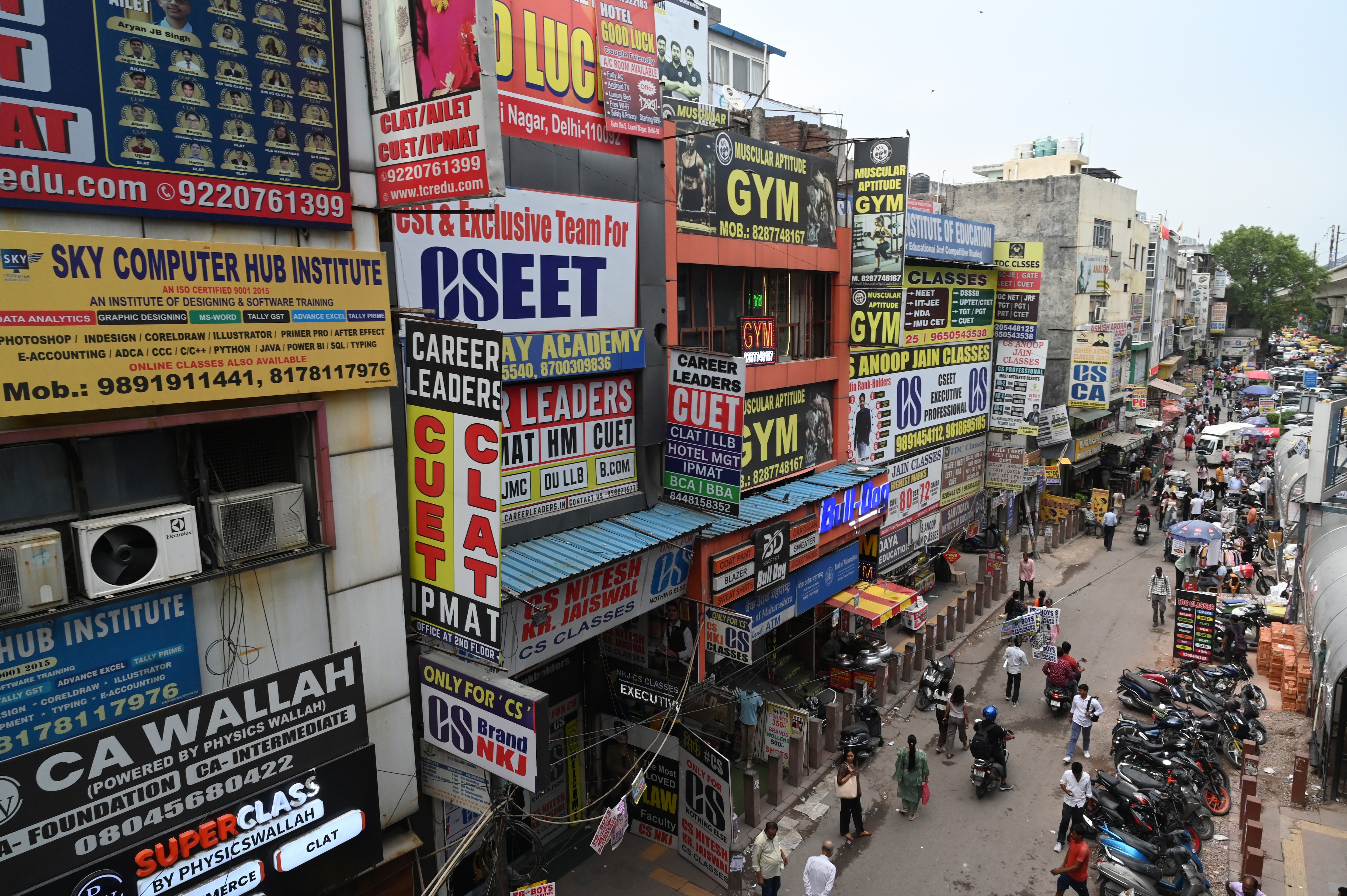
The committee has reiterated its demand to reconsider the ₹8 lakh annual family-income ceiling, saying it may be restricting access. “The Committee strongly feel that the total family income criterion fixed for SC and OBC students may be one of the major hurdles preventing candidates from these categories from availing the benefits,” it said.
The panel has also questioned the government’s decision to double the target to 7,000 coaching slots in 2026-27 despite the previous year’s poor performance. The ministry said only 14 central universities are currently providing coaching and proposed involving state universities and introducing a “Student-Centric Mode” to widen access.
Also Read I Will AI make education more educational?
Pradhan Mantri Jan Vikas Karyakram
On minority education infrastructure, an impact assessment of Pradhan Mantri Jan Vikas Karyakram (PMJVK) found that although the scheme to build better public buildings and basic facilities in backward minority areas, had expanded access to schools, classrooms and hostels, there were “visible gaps between physical creation and functional utilization”. Schools faced shortages of staff and functional digital rooms, while PHCs had limited diagnostic facilities. The panel also flagged delays in funds, maintenance problems and low awareness.
The committee said guideline changes alone would not resolve these issues. It called for a “robust monitoring and accountability mechanism”, mandatory third-party evaluations and social audits.
Poor skilling outcomes, staff shortages in disability institutions
In its report on action taken by the department of empowerment of persons with disabilities on the March 2026 recommendations, the panel flagged shortfalls in skill training for persons with disabilities and gaps between budgetary allocations and actual expenditure.
The committee noted that under the national action plan for skill development of Persons with Disabilities (PwD), the department trained only 9,333 beneficiaries against a target of 17,000 in 2023-24, 836 against 15,000 in 2024-25 and 2,264 against 10,000 in 2025-26 (as of January 2026).
The committee said, “The continued shortfall in achieving even 25% of the set targets is a matter of serious concern.”
The committee further noted that actual expenditure has repeatedly fallen below revised estimates—reaching only 78% of the ₹1,291.60 crore revised estimate in 2025-26 as of February 26, 2026. It called for quarterly expenditure targets, real-time monitoring and strict timelines for utilisation certificates.