
Sign in

Second phase trial of intranasal Covid-19 vaccine begins at 5 centres across India

A total of 152 people have volunteered for this trial and nine of them were given the vaccine in Kanpur on Tuesday.

Updated on: Aug 31, 2021, 19:48:52 IST
Share
Share via
  • facebook
  • twitter
  • linkedin
Copy link
  • copy link

The second phase clinical trial of Bharat Biotech’s intranasal vaccine against Covid-19 began at Prakhar Hospital in Kanpur and four other centres in the country on Tuesday, officials said.
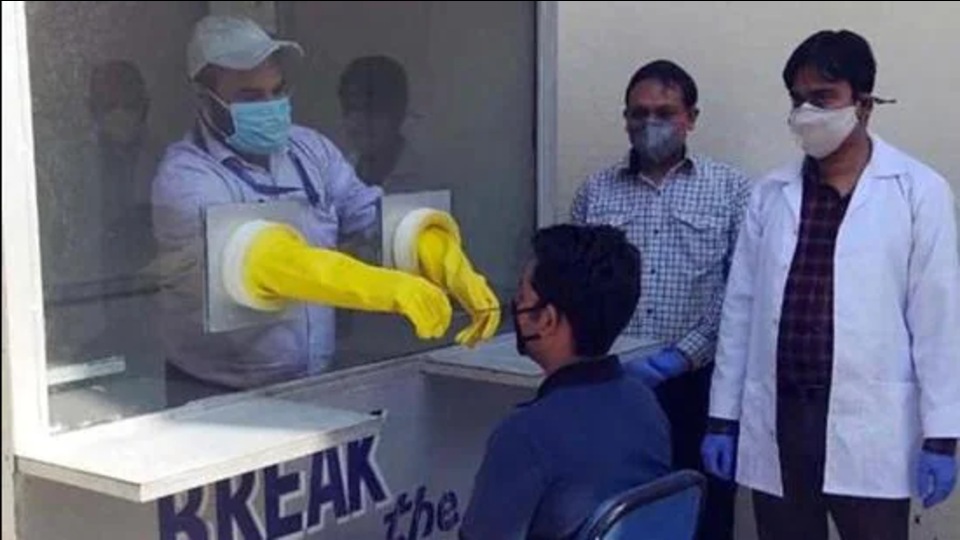
Image for representation. (File photo)

A total of 152 people have volunteered for this trial and nine of them were given the vaccine in Kanpur on Tuesday.

The other centres are the All India Institute of Medical Sciences (AIIMS)-New Delhi and Patna, Nizam Institute in Hyderabad, and the Belgaum Medical College in Karnataka.

Dr JS Kushwaha, chairman of Prakhar Hospital, said a total of 30 volunteers would participate in the trial (in Kanpur) which was being conducted as per the guidelines of the Indian Council of Medical Research and Bharat Biotech.

The nine volunteers were given four drops in each nostril at a gap of five minutes. They were observed for 30 minutes before they were allowed to go home. They would be called for the second dose after 28 days.

Before this trial, Prakhar Hospital was involved in clinical trials of Covaxin meant for adults and children.

The company had asked for the second phase trials of the intranasal vaccine on the basis of the phase one trial results.

Approving the request, the Drug Controller General of India (DGCI) sent out emails to these five centres on Sunday night to go ahead with the trials. The volunteers for this trial are in the 18 to 65 years’ age group.

  • Haidar Naqvi
    ABOUT THE AUTHOR
    Haidar Naqvi

    Haidar Naqvi is an Assistant Editor with the Hindustan Times in Kanpur and has been with the newspaper since May 1997, after beginning his journalism career with The Times of India. Over more than three decades, he has reported on terrorism, internal security, politics, governance and public affairs, with a particular focus on the changing nature of extremist movements in India.From 2008 to 2011, Haidar was part of the Hindustan Times National Reporting Team, contributing to coverage of some of the country's most significant security stories. He was among the reporters who covered the 26/11 Mumbai terror attacks as they unfolded and continued reporting on the investigation that exposed the conspiracy behind them.His reporting has followed the rise and evolution of the Students Islamic Movement of India (SIMI), the Indian Mujahideen and India's counter-terrorism response, alongside extensive coverage of organised crime and the underworld. He has also reported on Indian Mujahideen serial blasts, the Maoist insurgency, communal riots, parliamentary and assembly elections, and major political developments. Over the years, he has interviewed political leaders, senior police officers, intelligence officials and policymakers, while reporting from communities affected by violence, conflict and public policy.Beyond national security, Haidar has covered politics, minority affairs, governance, wildlife and human-interest stories across Central Uttar Pradesh and Bundelkhand. A recipient of the coveted Hindustan Times' Star Award, he brings historical perspective, field experience and institutional knowledge to reporting on the intersection of security, governance and society.Read More