Sensex and Nifty, experienced their biggest weekly declines in over two years, falling more than 5 per cent each, as global market volatility severely impacted investor sentiment, reported news site Moneycontrol.
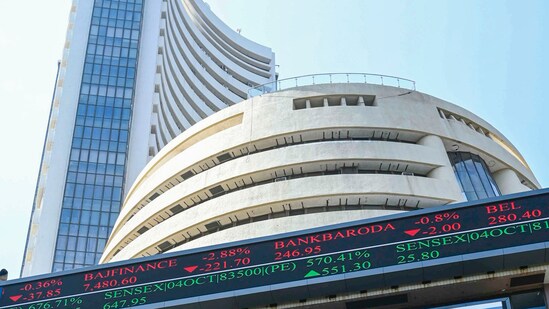
On Friday, December 20, the Sensex closed near the 78,000 mark, down 1.5 percent from the previous session, while the Nifty dropped below 23,600, also losing 1.5 percent.
Also Read: Stock markets continue to decline, Sensex ends 1,200 points lower, Nifty slips 364 points
This has been the steepest weekly loss for both of India's benchmark indices since June 2022.
Ajay Bagga, Banking and Market Expert told news agency ANI that, "Indian markets are trying to shake off the global 'risk off" sentiment but the FPI selling this week has jolted those efforts so far. We are still optimistic that we could see a short burst going into the year end, but the volatility is making any rally fragile for now".
Also Read: Stock market crash today: Sensex down by 1,010 points after US Fed rate cut decision
Markets worldwide were unsettled, triggered by the US Federal Reserve's cautious outlook on rate cuts. The Fed adjusted its forecast to just two rate cuts in 2025, down from the earlier expectation of four.
Also Read: Sensex, Nifty crash after Fed rate cut announcement: Top losers today
{{/usCountry}}Markets worldwide were unsettled, triggered by the US Federal Reserve's cautious outlook on rate cuts. The Fed adjusted its forecast to just two rate cuts in 2025, down from the earlier expectation of four.
Also Read: Sensex, Nifty crash after Fed rate cut announcement: Top losers today
{{/usCountry}}European markets also suffered this week, with the Stoxx 600 slipping by 1 per cent, making it their worst week in three months.
Japan's Nikkei 225 index remained flat after its central bank decided to pause and not raise interest rates, while markets in Taiwan, South Korea, and Indonesia continued to decline and remained in the red, reported ANI.
In the US, S&P 500 and Nasdaq 100 futures declined by 0.8 percent and 1.2 percent, respectively, continuing the losses from Wednesday's selloff.
Meanwhile, concerns about a potential US government shutdown have escalated after the Republican-led House rejected a temporary funding plan backed by President-elect Donald Trump, with the shutdown deadline less than 24 hours away.