
 E-Paper



Sensex, Nifty drop sharply amid oil shortage fears, Trump admin probe
The BSE Sensex tumbled 992.53 points to 75,871.18 in early trade, while the Nifty dived 310.55 points to 23,556.30.

 Prefer HTon Google


Indian equity markets opened sharply lower on Thursday, extending the previous session’s losses as soaring crude oil prices and renewed global trade tensions dampened investor sentiment.
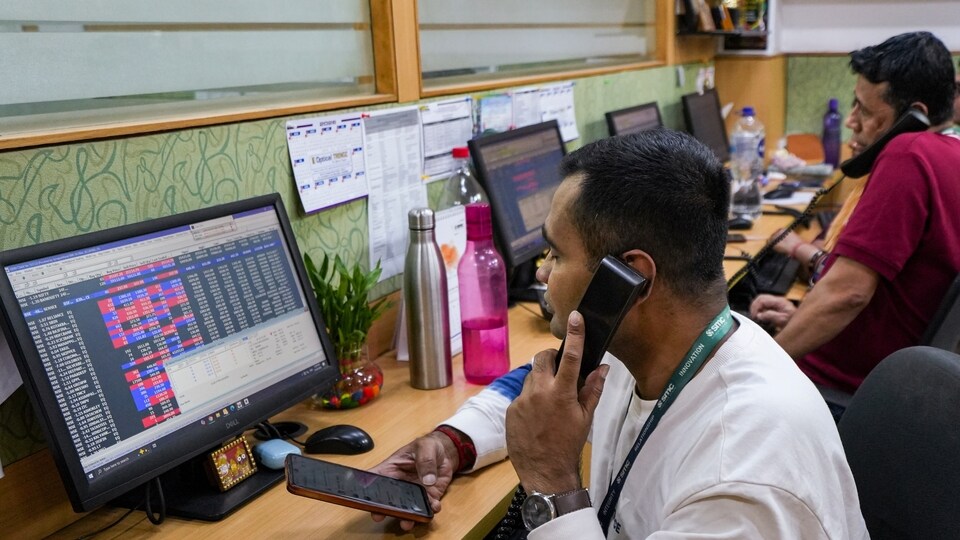
The BSE Sensex tumbled 992.53 points to 75,871.18 in early trade, while the Nifty dived 310.55 points to 23,556.30.
By 9:18 am IST, the Nifty 50 was down 1.13 per cent at 23,596.2, while the Sensex slipped 1.23 per cent to 75,921.04, reflecting broad-based selling across sectors.
All 16 major sectoral indices opened in the red, with broader markets also under pressure. The small-cap and mid-cap indices declined 1.5 per cent and 1.3 per cent, respectively.
The sharp decline came as global oil prices surged past $100 per barrel amid escalating tensions in West Asia. Iraqi security officials said Iranian explosive-laden boats had struck two fuel-oil tankers, worsening supply disruptions linked to the ongoing US–Israeli war on Iran. Officials added that oil ports had “completely stopped operations,” fuelling fears of a supply crunch.
Higher crude prices typically weigh on oil-importing economies such as India by pushing up inflation and widening the country’s import bill.
Investor sentiment was also hit after the United States opened new unfair-trade investigations into 16 countries, including India, in a move seen as reviving tariff pressure associated with US President Donald Trump’s trade policies.
Rupee falls further
Indian assets dropped on Thursday and the rupee fell to a record low, as a fresh surge in crude oil prices reignited worries over the economic impact from energy supply disruptions even as the currency's fall was cushioned by central bank intervention.
Brent crude oil prices climbed to $100 per barrel as Iran stepped up attacks on oil and transport facilities across the Middle East, warning the world to brace for oil at $200 a barrel.
The rupee fell 0.3% to 92.3575, eclipsing its previous lifetime low of 92.3475 hit earlier in the week.
Asian currencies weakened across the board, while MSCI's gauge of regional stocks fell more than 1.5%.
"We expect the RBI to intervene in 92.30-92.35. However if Brent continues to remain elevated for a couple of sessions, the RBI may have to let the rupee go," said Abhishek Goenka, chief executive at FX advisory firm IFA Global.


