E-Paper



Set up makeshift hospitals: Centre to states as Covid cases surge
"States are advised to initiate creation of field/makeshift hospitals to augment availability of health infrastructure,” health secretary Rajesh Bhushan said in a letter addressed to all the states and UTs.

 Prefer HTon Google


With India witnessing a continuous rise in Covid-19 cases in the past 70 days, the Centre on Saturday advised states to start setting up makeshift hospitals to increase availability of beds, and create special teams to monitor home isolation cases.
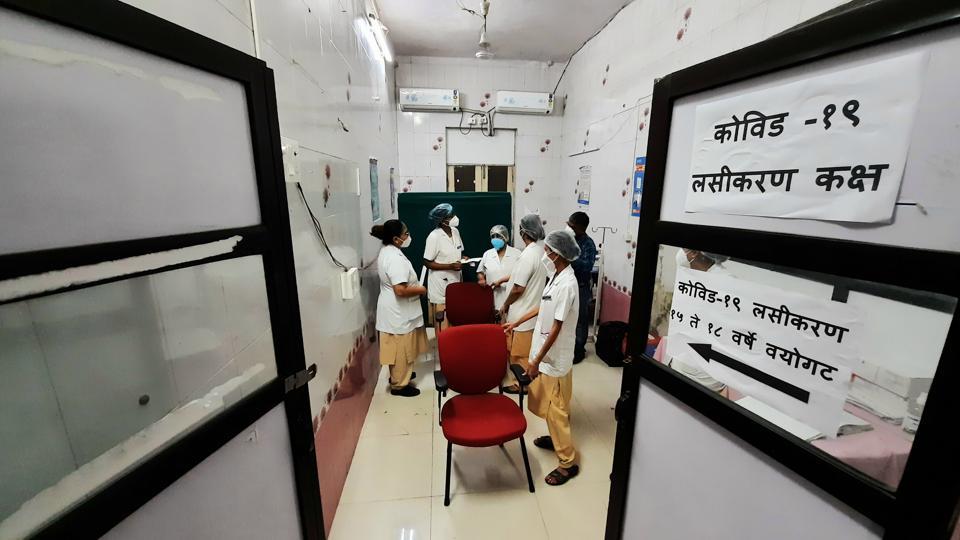
“To address a potential surge in cases and ensure preparedness, states are advised to initiate creation of field/makeshift hospitals to augment availability of health infrastructure,” health secretary Rajesh Bhushan said in a letter addressed to all the states and Union territories.
Also Read | Registration opens for children’s vaccination
“The state administrations can take help from private sector, corporations and NGOs. This can be done in coordination with organisations like Defence Research and Development Organisation (DRDO) and Council of Scientific and Industrial Research (CSIR). This will aid the process of rapid creation of field hospitals or temporary hospital set-ups,” the letter read.India on Saturday reported 26,663 Covid-19 cases, taking the overall tally to 34,887,184.
States have also been advised to consider using hotel rooms and other accommodations in sync with Covid-dedicated hospitals to cater to patients showing mild to moderate symptoms, as was done in some states earlier.
“It is imperative to re-emphasize the significance of timely upgrade in health infrastructure as with the sudden spike in Covid infections, we might witness increase in stress on health infrastructure,” Bhushan said.
It is important for the states to monitor their home isolation protocol and its implementation at the field level, he said.
“Special teams should be constituted to monitor all home isolation cases. Call centres and control rooms should also aid in the outbound calling while monitoring such patients and ensure that such cases are shifted to an appropriate health facility via dedicated ambulances,” he added.
“A mechanism wherein citizen can call and get ambulance and a bed in a transparent manner needs to be operationalised. The call centres, district or state level dashboards/portals can also help in organizing the same.”
Bhushan said that the states are also requested to ensure that the existing Covid-dedicated health infrastructure is revisited and necessary action to ensure its operational readiness is taken.
“Focus should be maintained on rural areas and paediatric cases. States need to regularly review the availability of required logistics, oxygen availability and buffer stock of drugs across all health facilities,” he said.
“Effective contact tracing coupled with quarantine of contacts, including facility quarantine for high risk and comorbid contacts, should be taken up at the earliest,” the health secretary said.
“For a country like ours, even a small percentage would mean large numbers when talking in absolute terms,” said Dr GC Khilnani, former head, pulmonary medicine department, All India Institute of Medical Sciences, Delhi, stressing on preparedness. “It is good to remain prepared.”