
 E-Paper



Special ‘picnic zones’ along Goa beaches to deter public drinking: Govt
The move, announced after a meeting with tourism stakeholders, is aimed at implementing Goa’s law on public drinking that was passed by the legislative assembly last year but has been sparsely implemented.


The government in Goa said on Tuesday it will set up special designated “picnic zones” along its beaches to step up the implementation of its ban on drinking in public places.
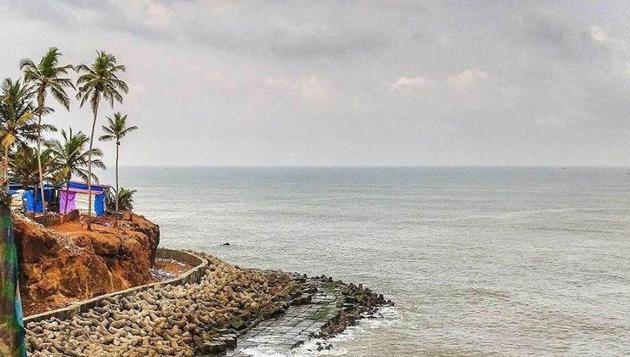
The move, announced after a meeting with tourism stakeholders, is aimed at implementing Goa’s law on public drinking that was passed by the legislative assembly last year but has been sparsely implemented.
“When implementing the ban on drinking we want to create a special zone for picnics. A lot of local groups want to have picnics along the beach and we have decided to keep one spot each along the beachside—one or two at each beach where those who want to go can go and drink—a picnic zone,” state’s tourism minister Manohar Ajgaonkar said at a press conference.
The Goa Legislative Assembly passed amendments to the Goa Tourist Places (Protection and Maintenance) Act, 2001, a year ago, banning drinking in tourist places including drinking and cooking in the open, littering and breaking glass bottles.
Instead, tourists can drink inside shacks or other beachside establishments. Flouting provisions can invite a fine of Rs 2000 and in case the violation is committed by more than one person in a group, the group will have to pay Rs 10,000.
However, people are seen drinking openly on the beaches and leaving glass bottles in the absence of an enforcement mechanism.
Ajgaonkar said the police have now been given wider powers not just to tackle drinking but also illegal hawkers who harass tourists.
“Today’s meeting was about ensuring a clean and safe coastal belt. Also nobody should be drowning, hawkers should not be harassing tourists, there should be no drunken revelry, breaking bottles, etc and laws are already in place,” Ajgaonkar said.
The minister said the government will release a mobile application in a month’s time and anyone can post a photo of hawkers if they find them at a banned place on the app. The police will act based on that information, he said.
“But I want to strictly enforce this. The beaches should be clean, no nonsense will be tolerated and if anyone like hawkers, etc come, it is your job to inform us about them. I do not want any garbage or breaking of bottles,” he added.
Goa’s travel industry body had in a presentation to the government warned that bad behaviour by tourists was “causing discomfiture to locals.”
“Public spaces are occupied by low budget tourists, who travel to Goa in large groups in buses and large jeeps and end up cooking and performing daily ablutions in public. While this not only robs such tourists of their dignity, it also serves as an eyesore and causes discomfiture to locals as well as other tourists,” the Travel and Tourism Association of Goa had said in a document presented before the tourism minister.
“Casual littering on beaches, water bodies with empty alcohol bottles, cans or plastic soft drink or drinking water bottles is choking both the state’s rivers, seas and lakes and also discouraging tourists from visiting Goa,” it had said.
Government data shows that Goa received more than 80 lakh tourists over the calendar year 2018, a figure that is expected to be surpassed this year. Foreign tourists however made up only around 900,000 of the total tourists that visited Goa.


