
 E-Paper



Supreme Court asks Centre, state govts to fill up vacancies of information commissioners
The Supreme Court criticised the government bias for only appointing government employees as information commissioners .

 Prefer HTon Google


The Supreme Court on Friday directed the Centre and state governments to expeditiously fill vacancies of Information Commissioners under the Right to Information (RTI) Act and ruled that the pool of candidates from which information commissioners are selected needs to be widened.
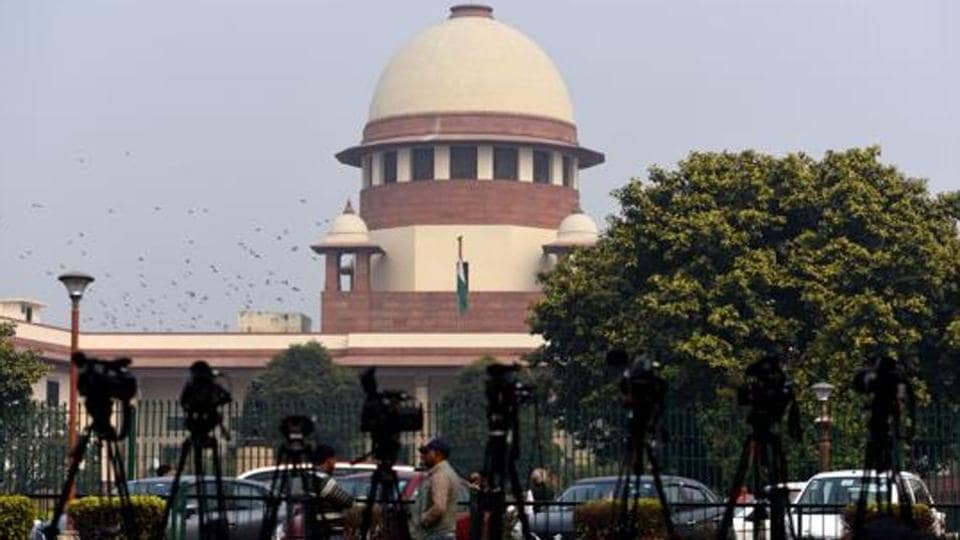
A bench of Justice Sikri and Justice Abdul Nazeer said in the judgement: “In future, pick up suitable candidates from other categories as well, like law, science and technology, social service, management, journalism and mass media.”
The judgment criticises the government bias for only appointing government employees as information commissioners.
“A strange phenomenon which we observe is that all those persons who have been selected belong to only one category, namely, public service... It is difficult to fathom that persons belonging to one category only are always be found to be more competent and suitable than persons belonging to other categories.
“In fact, even the Search Committee which short-lists the persons consist of bureaucrats only. For these reasons, official bias in favour of its own class is writ large in the selection process,” reads the judgment.


