
 E-Paper



Supreme Court to hear Gyanvapi mosque case on November 10
Passing a short order, a bench of justices Dhananjaya Y Chandrachud and Hima Kohli said, “Upon being mentioned, taken on board. List the special leave petition on November 10

 Prefer HTon Google


Supreme Court will hear on November 10 the plea related to protection of ‘Shivling’ reportedly found at Gyanvapi mosque after the top court in May had ordered the area to be protected.
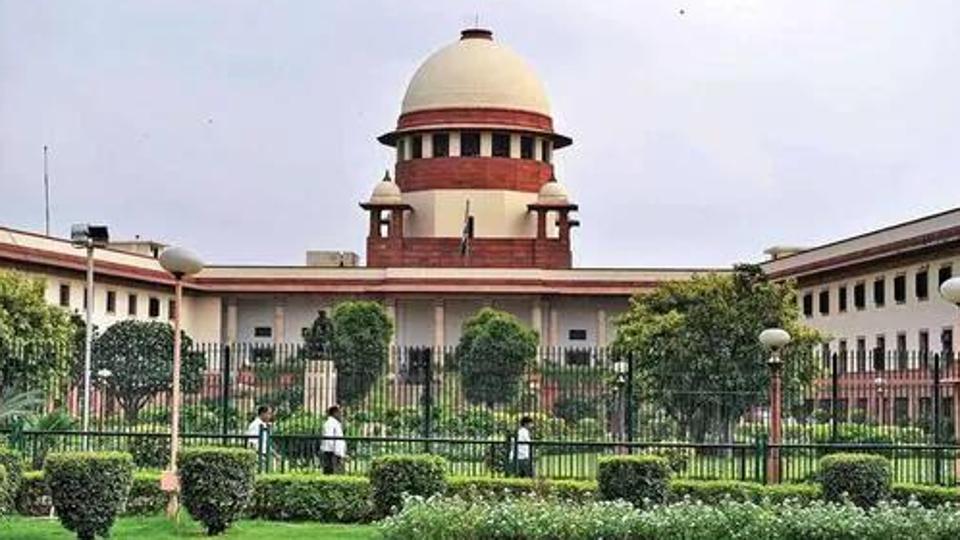
As the protection was to get over by November 12, advocate Vishnu Shankar Jain representing the five Hindu women who filed suit before the Varanasi court seeking worship rights at the Gyanvapi mosque approached the top court for listing the matter before the period expired.
Passing a short order, a bench of justices Dhananjaya Y Chandrachud and Hima Kohli said, “Upon being mentioned, taken on board. List the special leave petition on November 10.”
Jain told the bench that on May 17, the top court had protected the area where the ‘Shivling’ was stated to have been found by a Commission after the trial court allowed videographic survey of the mosque complex situated adjacent to the Kashi Vishwanath temple.
Also Read: Allahabad high court grants ASI director general 10 days to file affidavit in Gyanvapi case
The top court said, “The District Magistrate, Varanasi shall ensure that the area where the Shivalinga is stated to have been found, as indicated in the order (of the trial court), shall be duly protected.”
The Court directed the district judge, Varanasi to decide the application under Order VII Rule 11 of Code of Civil Procedure (CPC) moved by the Anjuman Intezamia Masjid Committee of the Gyanvapi mosque demanding rejection of the suit. The Committee said the suit was not maintainable in view of the Places of Worship (Special Provisions) Act that secures the religious character of all places of worship as on August 15, 1947.
By a later order passed on May 20, the top court said, “The interim order of this Court (May 17) shall continue to remain in operation pending the disposal of the application under Order VII Rule 11 CPC and thereafter for a period of eight weeks so as to enable any party which is aggrieved by the order of the district judge to pursue its rights and remedies in accordance with law.”
Following this order, the Varanasi district judge on September 12 dismissed the objection raised by the Masjid Committee and the eight-week period fixed by the apex court got triggered since then.
According to the district judge’s order, the plaintiffs submitted that they continued to worship at the disputed place even after August 1947 and thus held their suit to be maintainable.
The SC order protecting the Shivling, however, permitted the Muslims to offer namaz (prayers) and directed authorities to ensure appropriate arrangements are made for religious observance by those visiting the mosque.


