A 12th century temple—Gollala Gudi—in Telangana’s Mulugu district, which had been lying in a state of neglect all these years, has been recognised as a “monument of national importance” by the Archaeological Survey of India (ASI), people familiar with the matter said.
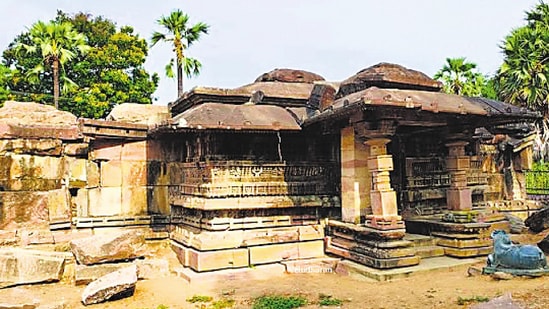
ASI issued a gazette notification on August 31, declaring Gollala Gudi at Palampet village, under Section 4, sub-section (3) of the Ancient Monuments and Archaeological Sites and Remains Act, 1958 (Act 24 of 1958).
Also Read: Hauz Khas, Jantar Mantar restrict entry as 10 monuments undergo repair across Delhi
The Gollala Gudi temple is situated in the southwest of the Kakatiya Rudreshwara (Ramappa) Temple, the UNESCO World Heritage Site. According to the notification, the temple is regarded as a significant example of the architectural and sculptural traditions associated with the Kakatiya period, dating back to 12-13th centuries,
“The notification paves way for the conservation and statutory protection of the hitherto abandoned temple under India’s heritage conservation laws. Now, the ASI will take the responsibility of maintaining the temple, providing all the facilities including lighting, cleaning up the premises and providing security,” heritage conservationist Arvind Arya Pakide told HT.
Also Read: Just Like That: Ancient monuments at risk amid neglect, encroachment, ASI strains
{{/usCountry}}Also Read: Just Like That: Ancient monuments at risk amid neglect, encroachment, ASI strains
{{/usCountry}}The Gollala Gudi has the appearance of a “Trikutalaya” temple, consisting of an east-facing mandapa surrounded by three sanctums, connected to a central pillared hall. The temple’s architectural detailing is particularly notable for its rich ornamented walls and intricate stone workmanship.
The edges of the roof structure are decorated with elaborate designs, while the doorframes feature finely carved rows of hamsas (swans). The temple is also distinguished by its delicate perforated stone-screen work, showcasing the craftsmanship of the period.
Pakide said Gollala Gudi is the 10th historical structure in Telangana that has got the national monument status, the other nine being: Golkonda Fort and Charminar in Hyderabad, Warangal Fort in Warangal, Thousand-Pillars Temple in Hanamkonda, Ramappa Temple and Shivalayam in Mulug, Janampet pre-historic site in Bhadradri Kothagudem, Alampur temples in Jogulamba Gadwal district and Ancient Mound at Kondapur in Sangareddy district.
In front of the main temple are two separate subsidiary shrines, both adorned with beautifully carved sculptures of Dwarapalakas (door guardians). The edges of the spaces preceding these subsidiary shrines are embellished with intricately carved stone screens, adding to the visual character of the complex.
The principal structure has a mandapa at the front through which visitors can enter the central shrine. The temple has three sanctums, with intervening spaces arranged towards the north, south and west.
A variety of sculptures can be seen in niches incorporated into the temple walls. These include representations of Lord Vishnu, Goddess Lakshmi, Lord Ganesha and Mahishasuramardini.
The temple stands on a raised platform decorated with animal motifs and floral designs, further enhancing its architectural and sculptural significance.
“Now, this monument falls under the direct jurisdiction of the ASI, which regulates activities around the structure typically enforcing a 100-meter prohibited area (no construction allowed) and a further 200-meter regulated area,” Pakide said.
Besides, the ASI will also include Gollala Gudi in the list of national monuments and give it extensive popularity, so that it would attract domestic and global tourists to this place, the heritage activist added.