
 E-Paper



Telangana govt eyes steep rise in revenue from liquor, refuses to reduce VAT on fuel
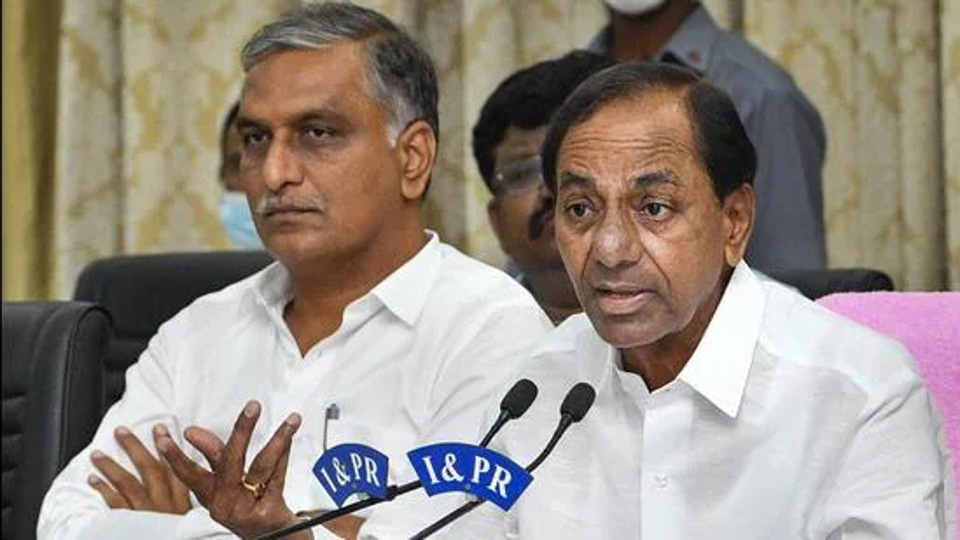
The Telangana state government, headed by chief minister K Chandrasekhar Rao, which has categorically ruled out slashing the Value Added Tax (VAT) on petrol and diesel, is aiming at generating more revenue from liquor sales to fill its coffers this year

 Prefer HTon Google


The Telangana state government, headed by chief minister K Chandrasekhar Rao, which has categorically ruled out slashing the Value Added Tax (VAT) on petrol and diesel, is aiming at generating more revenue from liquor sales to fill its coffers this year.
Liquor sales and VAT on petrol and diesel have been the main source of revenue for the Telangana government. During 2020-21, the state government earned ₹27,888 crore from liquor in the form of state excise, licence fees and another ₹10,000 crore from petrol and diesel in the form of VAT.
While refusing to reduce the VAT on petrol and diesel on the lines of reduction of prices by the Centre on November 4, the Telangana government has decided to increase the number of retail wine shops in the state by another 404 shops. At present, there are 2,216 retail wine shops in the state and they would now go up to 2,620.
On Tuesday, the state government issued a notification calling for tenders for granting fresh licences to wine shops for a period of two years beginning December 1, 2023. The applications for obtaining licences would be received till November 16 and the allotment of wine shops would be done through a draw of lots to be done by the district collectors on November 18.
The provisional licences to run the liquor shops would be issued on November 20 and the licences would come into operation from December 1, the notification said.
The applicants for the licences for wine shops would have to pay a non-refundable fee of ₹2 lakh, besides an annual retail excise tax of ₹5 lakh on allotment of the licence. This tax can be paid in six instalments every year. Unlike in the past, applicants can apply for more than one shop on payment of a separate application fee for each shop.
“If a retail wine shop dealer wants to convert the shop into walk-in stores (permit room to consume liquor), he will have to pay another ₹5 lakh per annum,” a government order issued by the excise department on Saturday said.
The order also announced shop allocation reservation of 10 per cent for Scheduled Castes (SC), five per cent for Scheduled Tribes (ST) and 15 per cent for the Goud community (an OBC category involved in liquor trade).
The state government has already given permits for 159 additional bars across the state in January this year, apart from already existing 800 bars and 27 clubs and pubs that serve liquor, to mop up additional revenues.
“The lockdown imposed across the state during the Covid-19 pandemic period in 2020 and this year affected the liquor trade to a considerable extent. However, the revenue flow was not affected much as the prices of Indian Made Foreign Liquor (IMFL) were increased last year by 16 per cent, besides a flat increase of ₹30 on beer of all brands,” an excise department official familiar with the development said.
Besides, the consumption of liquor also goes up steeply during the festive seasons. “As a result, the revenue from the liquor sales continues to go up every year. In the first year of Telangana formation, the revenue from liquor was ₹10,833 and during 2020-21, it went up to ₹27,888,” the official added.


