Ritu Sain, a 2003-batch Indian Administrative Service (IAS) officer, can’t forget the first sight that greeted her when she entered Ambikapur city, in Surguja district of Chhattisgarh, in February 2014.
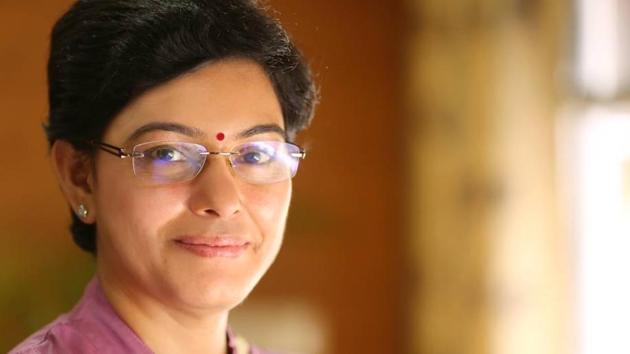
“There was a big signpost welcoming people to the municipal corporation of Ambikapur, and bang opposite that was a huge open dumping yard. The stink was unbearable. I thought to myself, what kind of impression the city would create if this was the first thing a person saw after entering,” she said.
Sain had just taken charge as Ambikapur collector. Even before she reached her official residence, she knew what her first priority was going to be. “There was no looking back since that day. I was clear about what I wanted to do,” Sain, now Chhattisgarh’s additional resident commissioner in Delhi, said.
“It was a challenge. The city with a population of 1,45,000 had meagre funds and hardly any capacity to take up the cleaning task. I knew whatever I did would have to be participatory, viable and replicable,” Sain, who studied international relations from Delhi’s Jawaharlal Nehru University, said.
Long brainstorming sessions with all stakeholders followed and, within two months, Sain was ready with the road map. Initially, the solid and liquid resource management model was started on a pilot basis in one ward.
{{/usCountry}}Long brainstorming sessions with all stakeholders followed and, within two months, Sain was ready with the road map. Initially, the solid and liquid resource management model was started on a pilot basis in one ward.
{{/usCountry}}Women from self-help groups (SHG) were engaged. A three-member team comprising SHG workers was formed. Each team was assigned 100 households, where they would have to go door to door collecting waste after segregating it at source.
A garbage clinic was opened in the ward, where the women again segregated the collected material into 24 categories of organic and inorganic waste. A third and final round of micro segregation was done, after which the refined and cleaned waste was sold to scrap dealers.
By May 2016, all 48 wards in the city were covered. The municipality also fixed a user charge for door-to-door collections. Currently, 447 women work from 7am to 5 pm daily at the 48 garbage segregation centres. All of them are provided safety gear such as jackets, aprons, gloves and masks. They also undergo regular health screening.
The result is there for all to see. The 16-acre open dumping yard has been converted into a sanitation awareness park. The 200 overflowing community dustbins have been replaced by just five.
“It’s a self-sustaining model. Each woman gets to earn ₹5,000 per month from user fee and sale of recyclables. We have spent ₹6 crore to put the entire infrastructure in place and have already earned ₹2 crore. The money earned is being spent on the sanitation workers,” Sain said.
Ambikapur was declared the cleanest small city in the 2018 cleanliness survey by the Union housing and urban affairs ministry. “It’s very fulfilling to see that something we started has come so far and is sustaining itself,” Sain said.