With no hustle and bustle of tourists because of the pan-India coronavirus lockdown, tiger sightings in the Sunderbans – the only mangrove forest where tigers live – have increased in the delta, forest officials said.
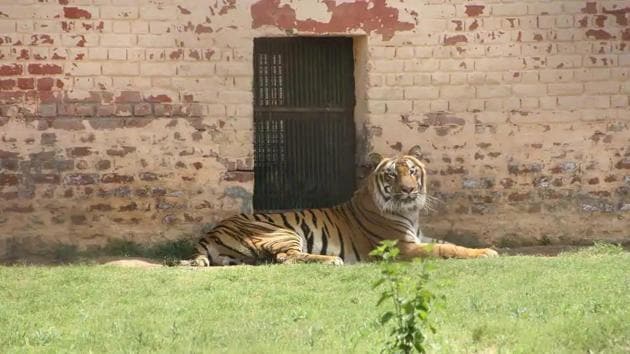
“Before the lockdown, when tourists were allowed, we used to get reports of tiger sightings on not more than two days in a week. But since the lockdown started, patrolling teams are spotting tigers almost five to six days every week. On some days, reports of multiple tiger sightings from different areas of the tiger reserve are also coming from the forest guards,” said Sudhir Das, director of the Sunderban Tiger Reserve.
Even though there are around 90 tigers living in the Indian part of the Sunderban, that spreads over 4200 sq km, the impenetrable forest makes it almost impossible to spot tigers. The big cats can only be spotted when they cross the rivers and innumerable creeks that criss-cross the delta.
“One has to be really lucky to spot a tiger in the Sunderban and that’s what makes tiger-sightings in the delta a real feast for the eyes. But now that there are no tourists and disturbance is almost zero, more and more tigers are coming out of the forests, swimming across rivers and creeks to move from one island to another. Sightings have increased over the past few days since the lockdown began,” said Ravi Kant Sinha, chief wildlife warden of the state.
{{/usCountry}}“One has to be really lucky to spot a tiger in the Sunderban and that’s what makes tiger-sightings in the delta a real feast for the eyes. But now that there are no tourists and disturbance is almost zero, more and more tigers are coming out of the forests, swimming across rivers and creeks to move from one island to another. Sightings have increased over the past few days since the lockdown began,” said Ravi Kant Sinha, chief wildlife warden of the state.
{{/usCountry}}More than two lakh tourists, hundreds of honey collectors and fishermen enter the Sunderban Tiger Reserve, which forms a part of the entire forest, every year with permits. But because of the threat of coronavirus, entry of visitors to Sunderban and other national parks and sanctuaries in West Bengal was suspended from March 17. The pan India lockdown started on March 25.
“Even though tourist activities and entry of other people have been completely stopped, forest teams are patrolling. Patrolling on boats, the only means of patrolling the delta, have been increased to look out for tigers that show signs of Covid-19, such as breathlessness. The BSF and police have also been asked to keep a watch,” said Sinha.
Earlier this month, the National Tiger Conservation Authority (NTCA) had directed all tiger range states to observe tigers with Covid-19 symptoms like dry cough or laboured breathing. The advisory came after a tiger at the Bronx zoo in New York was detected with coronavirus. It was the first instance of a tiger being infected with the deadly disease.
The Sunderban is the world’s largest delta and spreads over India and Bangladesh. The Indian part has one national park and five sanctuaries.