At least four female elephants have succumbed to a likely bacterial disease in a wildlife sanctuary of Kalahandi district since February 1.
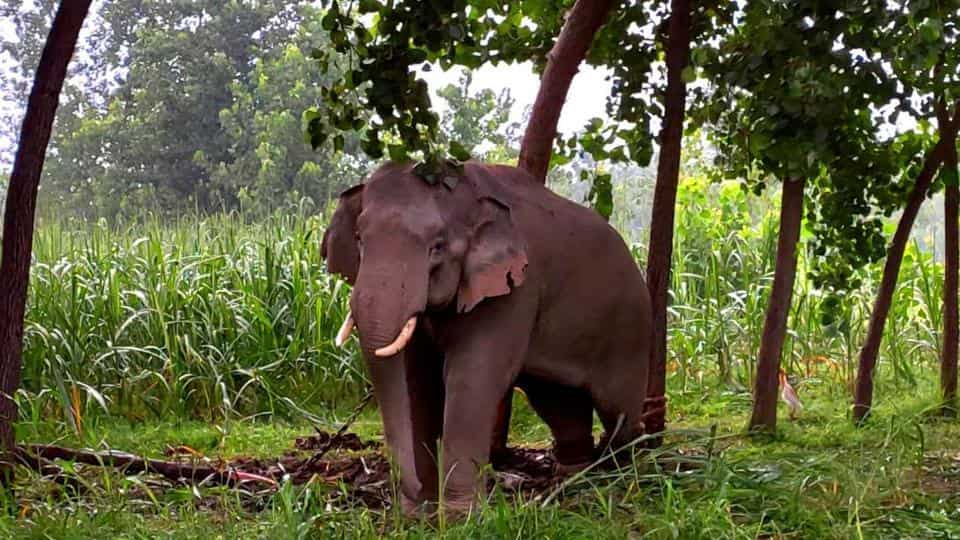
The carcass of a female elephant, said forest and wildlife officials on Friday, was found near a drain at Jakma village under Karlapat wildlife sanctuary in Kalahandi district, taking the toll to four in the last 12 days.
Between February 1 and 8, the carcasses of two elephants were found at the same spot which has puzzled forest department officials. On Wednesday, the carcass of a female elephant was found at Ghusurigudi village inside the wildlife sanctuary.
Divisional Forest Officer, Kalahandi(south), T Ashok Kumar, said prima facie all the four elephants might have succumbed to haemorrhagic septicaemia, an acute and highly fatal form of bacterial infection marked by fever, hypersalivation, nasal discharge and difficult respiration.
The DFO said the test result of the first two elephants at the laboratory in the veterinary college of OUAT came out negative for anthrax. "But the lab is testing it further as the symptoms are for haemorrhagic septicaemia. We suspect the infections likely happened from the elephants drinking the water contaminated by livestock in the nearby human settlements," he said. There are 4-5 villages around the area where the elephants died.
Karlapat sanctuary had an estimated 17-20 elephants in the 2018 elephant census.
{{/usCountry}}Karlapat sanctuary had an estimated 17-20 elephants in the 2018 elephant census.
{{/usCountry}}Haemorrhagic septicaemia affects mainly water buffalo, cattle, and bison in tropical areas of southeast Asia, where water buffalo populations are high. Acute infection can persist up to 3 days, and less often 5 days, and is characterised by fever of 104°–106°F, restlessness and reluctance to move, hypersalivation and nasal discharge.
The DFO said waterbodies in the area are being sanitised and cattle are also being vaccinated to avoid the spread of the disease. Forest department officials have been asked to maintain high vigil and prevent elephants from straying into the region in view of chances of more such cases.
In 2020-21, so far 61 elephants have died in Odisha of which 26 were due to unnatural causes. While 10 elephants have been either poached or poisoned to death, more than a half a dozen have been electrocuted.
In August and September 2019, five elephant calves in Nandankanan zoo and adjoining Chandaka elephant sanctuary had succumbed to elephant endotheliotropic herpesvirus. It was the first reported case of EEHV-related deaths in an Indian zoo.