
 E-Paper



View: Rapprochement with Taliban is most underrated achievement of Modi government
Taliban has made it clear that it has nothing to do with J&K and will not allow Afghan soil to be used by Pakistan terrorist groups like LeT or Jaish-e-Muhammad

 Prefer HTon Google


When the Taliban militarily occupied Kabul on August 15, 2021, the staff in the Indian Embassy in the Afghan capital was withdrawn and the premises were locked before the US troop withdrawal on August 30, 2021. With coronavirus from Wuhan sweeping India and the world, the Modi government had to re-evaluate the security situation on the Western front with the rise of the Pashtun Taliban and its proximity to the Pakistani ISI.
Then Pakistan Prime Minister Imran Khan congratulated the Taliban leadership for throwing off chains of slavery (read US occupation) and the then ISI Chief Faiz Hameed appeared to be the lead conductor of political play in Kabul. India’s worst fears had come true as a pro-Pakistan Taliban would create security problems in Bharat’s hinterland.
Perhaps one of the most under-rated achievements of the Narendra Modi government is opening up of back channels with Taliban after he came to power in 2014 and how the government with its astute overt and covert diplomacy ensured that Taliban did not allow the Afghan soil to be used for anti-India terror operations.
Fact is that India reopened its mission in Kabul for monitoring humanitarian aid by 2022 and till today more than 500,000 tons of wheat, 300 tons of critical medicine have been sent to Afghanistan along with the resumption of education scholarships.
What was considered by the world including India as a pro-Pakistan Islamic force has turned out to be a nationalistic Pashtun force, whose political and religious agenda is limited to Afghanistan and its people. Albeit no country has recognized the Taliban rule in Afghanistan, there is no global or regional appetite (read Pakistan) to change the regime in Kabul. Consider this:
·The Pakistani deep state which thought that the Taliban would give Rawalpindi strategic space is now having second thoughts as the Pashtun force is more anti-Islamabad than Hamid Karzai and Ashraf Ghani when it comes to accepting Durand Line as an international border.
The Taliban refused to accept the line drawn by a British civil servant as it divides the Pashtun community. The Taliban is clear that the Pashtun community should be under the Pashtun nation and that is Afghanistan.
·The Taliban has made it clear to Pakistan that the Tehreek-e-Taliban, Pakistan or TTP terrorist group is an internal problem of Rawalpindi and the civilian government in Islamabad and has nothing to do with Kabul. The Pashtun force has made it clear that while it can facilitate a dialogue between Islamabad and TTP, the problem is for Rawalpindi GHQ to solve as it launched counter-terrorist operations like Zarb-e-Azb against TTP in Khyber-Pakhtunkhwa region.
When the Pakistan Air Force bombed so-called TTP bases in Kunar and Paktika provinces of Afghanistan on March 20, the Taliban replied with heavy artillery firing from across the border into Pakistan.
Much to the chagrin of Pakistan, the Taliban has made it clear that it has nothing to do with Jammu and Kashmir and will not allow Afghan soil to be used by Pakistan terrorist groups like Lashkar-e-Tayebba or Jaish-e-Mohammed.
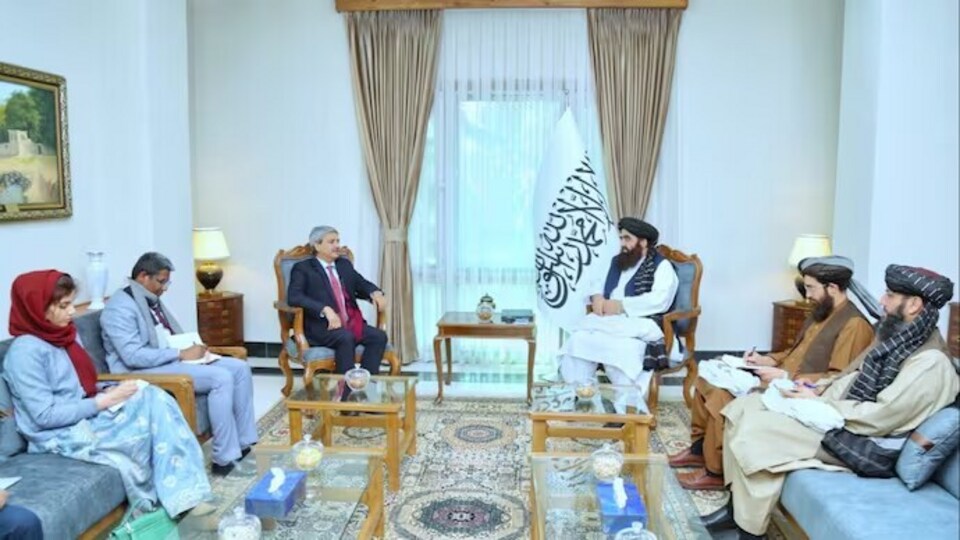
Today, the Taliban 2.0 top leadership recognizes the historical link between Pashtun and India and has made it clear to frequently travelling Indian interlocutors that humanitarian work by the Modi government is welcome in Kabul.


