
 E-Paper



Waqf Act: Centre files affidavit in Supreme Court, seeks dismissal of pleas challenging validity
The Centre said that it is a settled position in law that constitutional courts would not stay a statutory provision, either directly or indirectly

 Prefer HTon Google


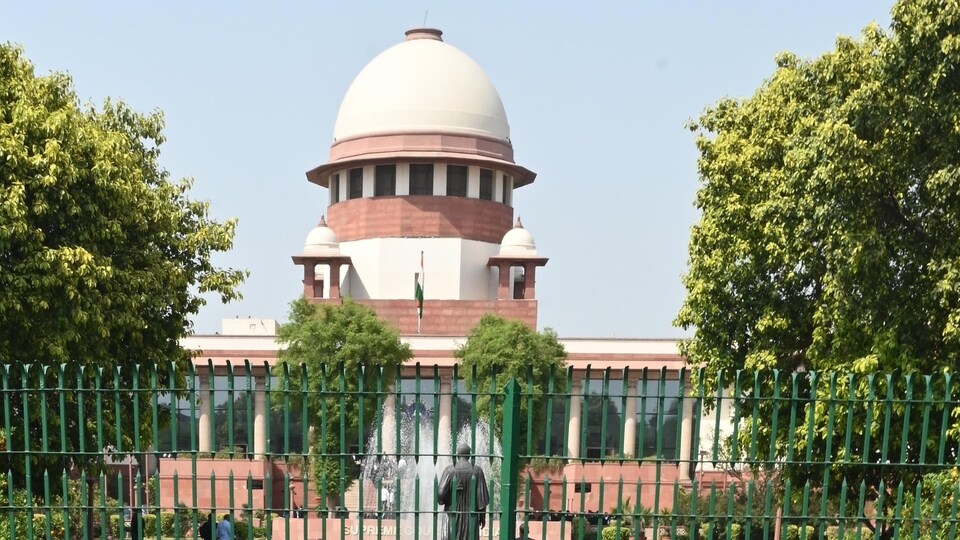
The Union government on Friday filed its preliminary affidavit in the Supreme Court, seeking the dismissal of petitions challenging the constitutional validity of the Waqf (Amendment) Act, 2025.
The affidavit was filed by Shersha C Shaik Mohiddin, joint secretary in the ministry of minority affairs.
In a 1,332-page preliminary counter affidavit, the Centre opposed a stay on any provisions of the Act, saying that it is a settled position in law that constitutional courts would not stay a statutory provision, either directly or indirectly, and will decide the matter finally, ANI reported.
The government defended the contentious law saying that "shockingly" after 2013, there were an addition of over 20 lakh hectare (precisely 20,92,072.536) in waqf land.
It argued that taking away the statutory protection to a Waqf-by-user does not deprive a person of the Muslim community to create a Waqf.
The affidavit further states that a “deliberate, purposeful and intentionally misleading narrative” is built very mischievously, giving an impression that those Waqfs (including ‘Waqf-by-user’) which do not have a document to support their claims will be affected.
“This is not only untrue and false but purposefully and deliberately misleading this court,” the government said in the affidavit quoted by ANI.
No trust, deed or any documentary proof has been insisted upon, says Centre
The Centre clarified in the affidavit that for being protected as ‘Waqf-by-user’ under provision to Section 3(1)(r), no trust, deed or any documentary proof has been insisted upon in the amendment or even before that.
The only mandatory requirement for being protected under the provision is that such ‘Waqf-by-user’ should be registered as on April 8, 2025, since the registration has always been mandatory as per the statute governing Waqfs for the last 100 years, it stated.
The government had on April 17 assured the top court that it would neither denotify waqf properties, including "waqf by user", nor make any appointments to the central waqf council and boards till May 5.
A bench headed by Chief Justice Sanjiv Khanna is slated to hear the matter on May 5 on the passing of interim orders.


