
 E-Paper



Waqf Amendment Act: What is ‘Waqf by user’?
The concept was legally recognised through court rulings and was incorporated into the Waqf (Amendment) Act 2013, passed during the Congress-led UPA.

 Prefer HTon Google


The Supreme Court, while hearing petitions against the Waqf (Amendment) Act 2025, raised concerns about a particular set of Waqf properties called the ‘Waqf by user’.
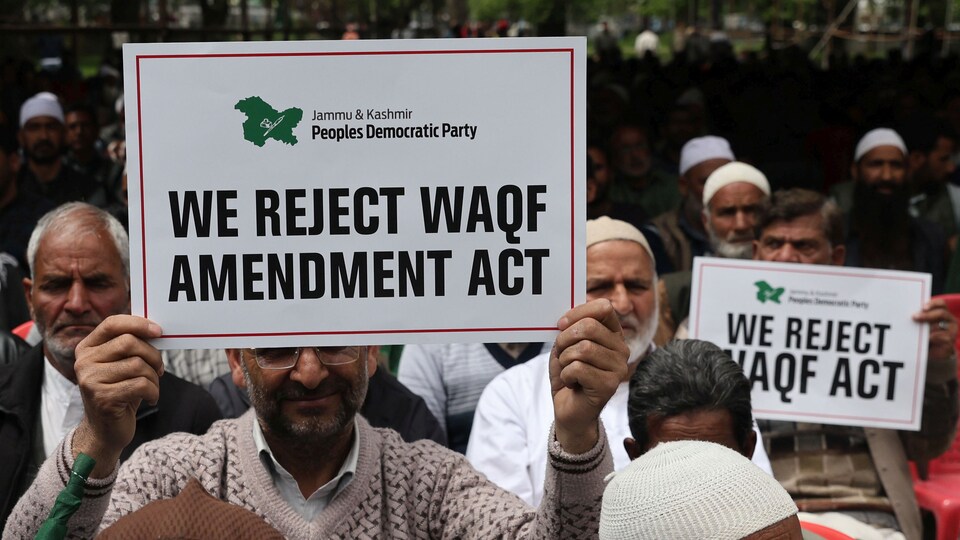
The court on Thursday went ahead and directed the Centre not to denotify ‘Waqf by user’ properties under the new law, at least until the next hearing. Solicitor General Tushar Mehta, representing the Union government, assured the bench led by Chief Justice of India Sanjiv Khanna that those properties won't be touched for now. But what exactly is ‘Waqf by user’?
Understanding ‘Waqf by user’, one of the three concerns raised by the Supreme Court
A 'waqf by user' refers to a property that is treated as waqf based on its long-term use for religious or charitable purposes, even without formal documentation.
The concept was legally recognised through court rulings and was incorporated into the Waqf (Amendment) Act 2013, passed during the Congress-led UPA. The provision allowed properties to be recognised as Waqf without documentary proof to substantiate the claim, based on usage by the community and its acceptance as such.
The idea behind the provision was the protection of heritage buildings that were built before the land registration system came into being.
The Waqf (Amendment) Act 2025 has almost removed the concept, saying that only a practicing Muslim for five years can declare a property Waqf, if that person is the ‘legal owner’ of the said property. This provision makes documentary ownership of land a requirement for it to be declared Waqf.
While the Union government has argued that the Waqf by user has been misused and many government and private properties have been classified as Waqf, critics argued that it would put old Islamic institutions that predate the land registration system in jeopardy.
The Supreme Court, for now, has stayed the denotification of any Waqf by user properties till the next hearing of the case, which is scheduled on May 5.
The other two concerns about the newly enacted Waqf law were the predominance of non-Muslim members in the Waqf Council and Waqf Boards, and the provision that bars a property from being considered waqf if it is claimed as government land. The centre has been given a week to file a reply on the matter, and till then, the status quo will be maintained.


