
 E-Paper



What are the 3 key aspects of Waqf Act that Supreme Court has flagged
Waqf Act SC hearing: The bench headed by Chief Justice of India (CJI) Sanjiv Khanna said it is considering passing an interim order which will balance equities.

 Prefer HTon Google


The Supreme Court on Wednesday raised concerns about the newly enacted Waqf law, highlighting three key issues: the status of "waqf by user" properties previously recognized by court rulings, the predominance of non-Muslim members in the Waqf Council and Waqf Boards, and the provision that bars a property from being considered waqf if it is claimed as government land.
The bench headed by Chief Justice of India (CJI) Sanjiv Khanna said it is considering passing an interim order which will balance equities, but agreed to give the Centre and states an opportunity on Thursday, when the case is due to be heard next.
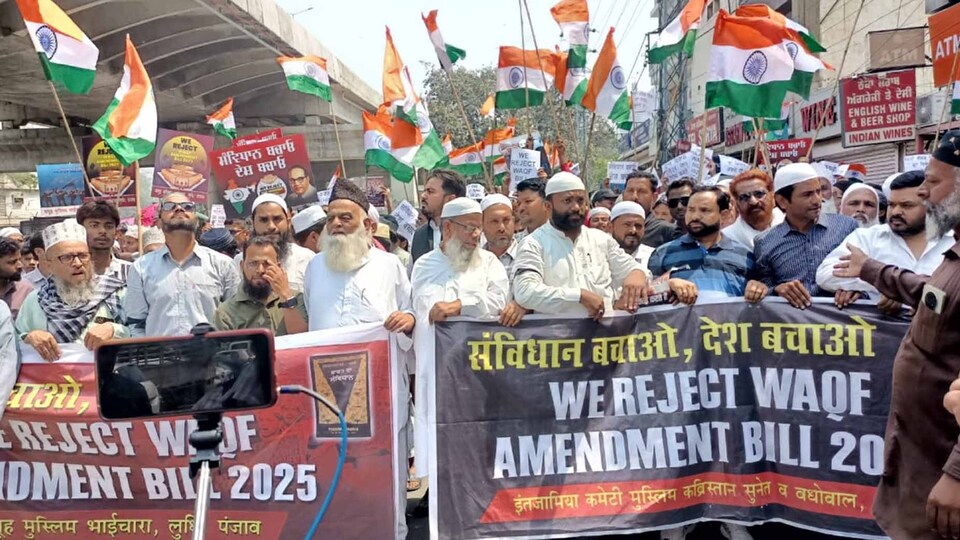
This marks the Court’s first review of the law, which is being challenged through over 70 petitions filed by Members of Parliament, Muslim scholars, religious organizations, and political parties. The petitioners argue that the law violates Articles 25 and 26 of the Constitution, which protect religious freedoms.
Track live updates on Waqf hearing in Supreme Court here
The bench didn't pass any order but suggested that may stay certain provisions including the inclusion of non-Muslims in Central Waqf Council and Waqf Boards, powers of collectors on deciding dispute over Waqf properties and provisions on de-notifying properties declared as waqf by courts.
What Supreme Court said on the 3 key aspects of Waqf act
Status of properties declared ‘Waqf by user’ by courts
- “When a legislation is passed, courts generally do not interfere. If property declared waqf by user is denotified, it can have grave ramifications.”
- “We will say properties declared by the court to be waqf or held to be waqf will not be de-notified as waqfs or be treated as non-waqf properties, whether waqf-by-user or waqf-by-declaration...”
Halt on property as Waqf during collector's probe
- “Is this fair? The moment the collector starts inquiry and even when he has not decided yet, you say that it cannot be treated as waqf.. What purpose will be served by this proviso?”
- “Collector can continue with the proceedings, but the proviso will not be given effect to. If he wants he can move an application before this Court and we can modify.”
Also read | ‘When we sit on bench, we lose our religion’: CJI to Centre during Waqf Act hearing
Composition of Waqf boards and council
- “Whenever it comes to Hindu endowments, do you allow Muslims to be members of these bodies? Say it openly.”
- “As far as the constitution of the board and council are concerned, ex officio members can be appointed, regardless of their faith, but the other members should be Muslims.”


