E-Paper



West Asia conflict hits 25% of India’s natural gas imports, govt says
About 25% of India’s natural gas imports hit by force majeure amid West Asia conflict; government secures alternative LNG supplies

 Prefer HTon Google


Almost a fourth of India’s natural gas requirements has been impacted by force majeure conditions enforced by foreign suppliers because of the West Asia conflict, and the government is procuring supplies through alternative routes to overcome the shortfall, senior officials said on Wednesday.
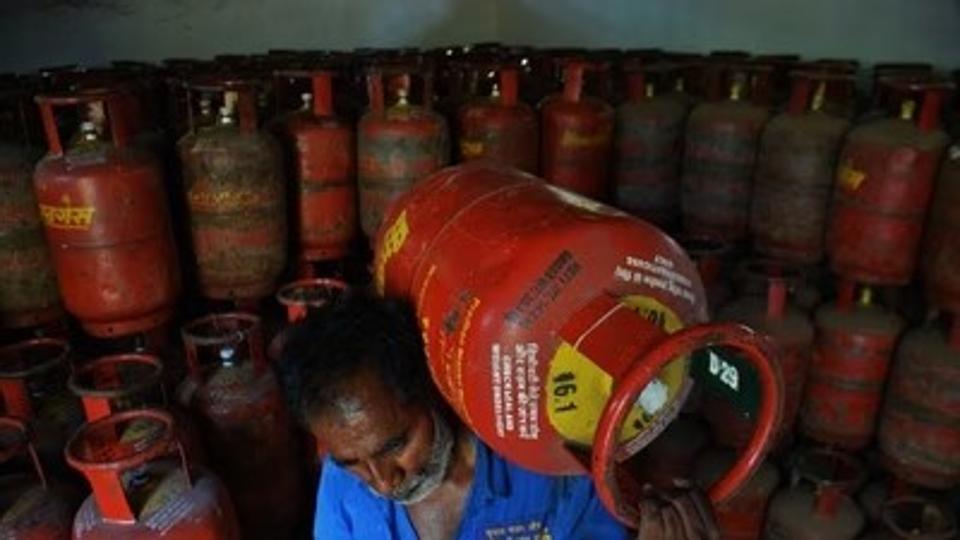
Nearly 50% of India’s oil imports pass through the Strait of Hormuz, the crucial waterway that has effectively been shut by Iran following the start of its conflict with Israel and the US. Fuel and gas prices have surged, heightening worries in India, which depends on imports to meet around 85% of its energy needs.
“Our total consumption [of natural gas] per day currently is about 189 million metric standard cubic metres a day (MMSCMD). Out of this, around 97.5 MMSCMD is produced domestically and the rest is imported. Out of the imports, about 47.4 MMSCMD is affected due to force majeure conditions,” Sujata Sharma, joint secretary in the petroleum and natural gas ministry, told a briefing on the developments in West Asia.
Also Read: Essential Commodities Act invoked to prioritise LPG production for domestic use
Natural gas is being procured through alternative routes to “offset this disruption”, and two LNG cargoes procured by gas companies from new sources are on their way to India, she said.
India’s crude oil supply “remains secure”, Sharma said, adding that the country’s daily consumption is about 5.5 million barrels and that requirements are being met by importing crude from about 40 countries. “Through diversified procurement, the volumes we have secured today exceed what would normally have arrived through the Strait of Hormuz during this period,” she said.
Oil marketing companies (OMCs) have secured crude from different sources, and “as a result of this diversification, about 70% of our crude imports are now coming from routes outside the Strait of Hormuz, compared with about 55% earlier”, Sharma said.
Two crude cargoes are expected to arrive in India within a few days, further strengthening the supply position, while refineries are operating at their highest capacity, including some at more than 100% of their capacity, she said.
Sharma outlined the government’s policy actions to ensure gas allocation on priority to key sectors such as households and the automobile sector by invoking the Essential Commodities Act on March 9. On supplies of cooking gas, or liquefied petroleum gas (LPG), she said India imports about 60% of its LPG needs, and 90% of this comes through the Strait of Hormuz.
On March 8, the government directed Indian refineries to ramp up LPG output to meet the shortfall caused by the conflict in West Asia. The government’s measures increased domestic LPG output by 25%, she said, adding that the increased production is helping meet cooking gas demand in households.
Also Read: No immediate energy shortage, enough reserves: India amid Middle East tensions
In the case of non-domestic supplies of LPG, priority is being given to hospitals and educational institutions. Sharma said a three-member committee of senior state-run OMC officials has been set up to review allocations of cooking gas to restaurants, hotels and other commercial users, and that this panel is consulting state authorities and industry bodies to finalise a plan to ensure available LPG is distributed in a “fair and transparent” manner.
The tea industry and commercial customers connected to the gas grid will get about 80% of their average supplies over the past six months, and refineries and petrochemical units will face a reduction of about 35% so that “higher priority sectors can be protected”, she said.
The government has absorbed a “significant part” of the increase in the cost of LPG to protect consumers, Sharma said. “The current price of a domestic LPG cylinder in Delhi is ₹913 and this is after an increase of ₹60. Without intervention, the market price would have been much higher,” she said. Compensation of ₹30,000 crore has been approved for oil marketing companies for “under-recoveries in LPG”, she added.
Sharma said authorities are also taking steps to prevent “panic” buying and hoarding of cooking gas, mainly triggered by misinformation, and that OMC officers and anti-adulteration cells are coordinating efforts to ensure smooth delivery.