
 E-Paper



What Danish CEOs said after PM warned of 'FOMO' over investing in India
PM Modi referred to a term widely used on social media - FOMO, or Fear of Missing Out - in his address at the business forum to reach and engage with investors.

 Prefer HTon Google


Prime minister Narendra Modi, on the second stop in his three-nation Europe visit, arrived in Denmark on May 3. He addressed an India-Denmark Business Forum with his Danish counterpart Mette Frederiksen. Sharing updates on PM Modi's three-day trip, the external affairs ministry said there were enriching discussions on combining Denmark's skill and India's scale in several areas, including climate-friendly technology and clean energy.
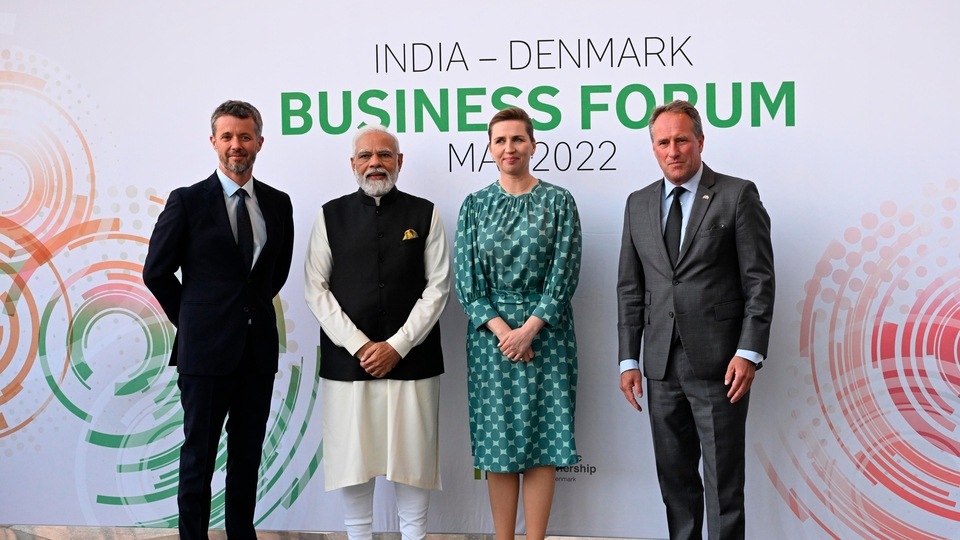
PM Modi referred to a term widely used on social media - FOMO, or Fear of Missing Out - in his address at the business forum to reach and engage with investors. He said, "These days the term FOMO or 'fear of missing out' is gaining traction on social media. Looking at India's reforms and investment opportunities, I can say that those who don't invest in our nation will certainly miss out."
On key discussion points at the forum, Danish CEOs showed optimism at opportunities to work and invest in India, especially in green energy and climate-friendly technology. Jens-Peter Saul, the president and CEO of the Ramboll Group, a consulting engineering firm, said transformation towards a greener future (considering the scale of a nation like India) comes with challenges. He said the initiative to 'combine the experience and knowledge of Denmark (on green air transformation) with that of India to use it in the Indian context' by bringing the companies together is an ambitious task.
Peter Foss, the chairman of Denmark's high-tech analytical solutions provider Foss A/S, talked about the positive outcomes of reforms in the food processing sector and appreciated PM Modi's use of FOMO and 'advice to Danish technology companies on not missing out on investing in India which has a great future'.
Jørgen Mads Clausen, chairman of the Danish multinational company Danfoss, talked about the prospects of different ideas and opportunities. "India is the world's largest banana producer but they are not sold in the European Union due to the lack of proper logistics. We must do something about it," he said. He added that economic reforms introduced in India were assisting its development.
"India has been developing tremendously and the cooperation (between two countries) is going to be powerful," said Roeland Bann, the CEO of Haldor Topsøe.
PM Modi arrived in Denmark from Germany after holding detailed bilateral discussions with German chancellor Olaf Scholz. He had addressed the Indian diaspora in Berlin on Monday where the slogan, '2024, Modi once more' resonated as people cheered.
He is expected to attend the 2nd India-Nordic Summit with the prime ministers of Iceland, Sweden, Denmark, Norway, and Finland. The meeting will take stock of the cooperation between India and Nordic countries since the first summit in 2018.


