A new study by scientists and army doctors has nailed a long-standing belief among many soldiers that high-altitude posting in places such as Siachen leads to impotence. It also found blood clots to be the deadliest threat to soldiers serving in Siachen, the world’s coldest battleground.
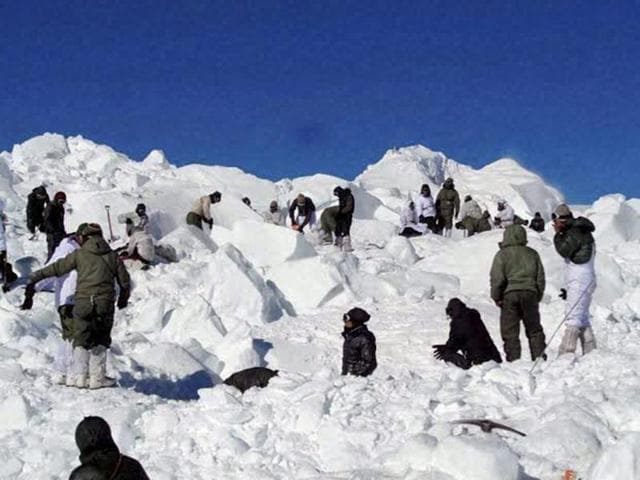
The findings are based on research carried out over more than four years involving the medical examination and feedback of about 700 soldiers, who have served on the glacier.
For long, the impotence myth has left many soldiers anxious about a posting in Siachen, where temperatures can plunge below -50 degrees Celsius. Usually, a soldier serves about three months on the glacier where some posts are located at an altitude of more than 21,000 feet.
“The prevalence of impotence was not significantly different from soldiers in the plains. This should put to rest longstanding concerns about Siachen causing sexual dysfunction,” said Lt Gen Velu Nair, one of the military’s top doctors who conceptualised and led the research.
His team consisted of 15 army doctors and three scientists from the Defence Research and Development Organisation.
The sample for the study was first examined in 2012 and continues to be observed for health risks four years on. The soldiers were examined in five phases: at sea level, 15,000 feet, 16,000-21,000 feet, again at 15,000 feet and then back in the plains. The research found backing from private doctors as well.
{{/usCountry}}The sample for the study was first examined in 2012 and continues to be observed for health risks four years on. The soldiers were examined in five phases: at sea level, 15,000 feet, 16,000-21,000 feet, again at 15,000 feet and then back in the plains. The research found backing from private doctors as well.
{{/usCountry}}“High altitude and cold weather does not cause impotence. It’s a baseless rumour that was around in Siachen even when I served there around 30 years ago” Dr Subhash V Kotwal, senior consultant urology, Sitaram Bhartia Research Institute and Artemis Hospital told Hindustan Times.
The study also showed blood clots account for a third of health-related complications among soldiers on the glacier. The frequency of developing a blood clot on the glacier is 100 times higher than that in the plains, it found.
Thirty-seven of them were sent back from the glacier after they developed health complications, including 13 with dangerous blood clots in brain, lungs, limbs and liver. Three of them died due to multi-organ failure caused by the clot.
“We have found venous thrombosis (blood clots in veins) to be the biggest health challenge in Siachen. No other medical condition is affecting soldiers more than blood clots,” said Nair, who oversees medical research in the armed forces.
Frostbite was the second leading cause of health risks, affecting six soldiers of the battalion surveyed. In Siachen, 20% of medical cases are linked to frostbite that can lead to amputation of limbs.