
 E-Paper



India, France set to close Rafale deal at lower price of Rs 60,000 cr
India and France are expected to close the purchase of 36 Rafale multi-role fighters from Dassault Aviation with the signing of an inter-governmental agreement including the commercial contract between the two countries next month. The deal is expected to be clinched at about Rs 60,000 crore, less than what was offered by France to India during the previous UPA government with 2011 being the base price year.


India and France are expected to close the purchase of 36 Rafale multi-role fighters from Dassault Aviation with the signing of an inter-governmental agreement including the commercial contract between the two countries next month. The deal is expected to be clinched at about Rs 60,000 crore, less than what was offered by France to India during the previous UPA government with 2011 being the base price year.
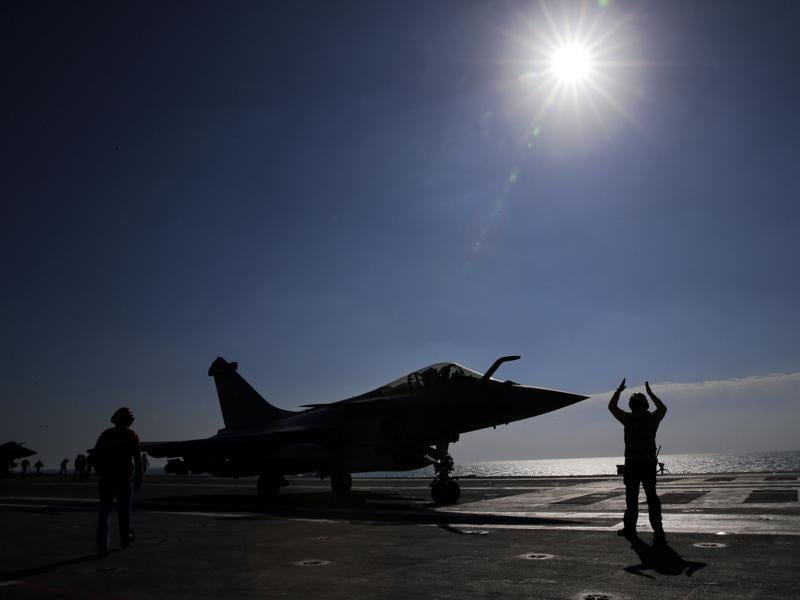
Top government sources said after the initial price of 11.6 billion euros (Rs 85,000 crore) with 2015 as the base year, Dassault brought it down to 8 billion euros (Rs 65,000 crore) with 2011 being the base year for fixing the cost per fighter.
This would have been the price of 36 fighters had India purchased planes at the cost quoted in the cancelled 126 multi-medium role combat aircraft (MMRCA) contract in which Rafale had emerged as the lowest bidder in comparison with Eurofighter.
“During Prime Minister Narendra Modi’s visit to France in April 2015, it was bilaterally decided that the cost of each fighter would be 10-20% less than what was being offered in the MMRCA project; we expect the jet manufacturer to further reduce price and bring it down by another 700-800 million euros before the contract is signed,” a senior government official said.
However, the defence ministry under Manohar Parrikar is expected to further hammer down the cost by opting out of unnecessary or what are called “over-specified” add-ons in Rafale fighters as per the initial MMRCA contract.
“We expect the deal to close around Rs 60,000 crore with Rafale with first deliveries in 2019. The French company also has a separate option of manufacturing the fighter in the country under the Make in India rubric. For that Rafale will have to contest with Boeing F-18 and Eurofighter in case their respective governments allow them to manufacture these platforms in India,” a senior official said.
The deal was scheduled to be concluded during French president Francois Hollande’s visit as the guest of honour at the Republic Day celebrations on January 26 but was delayed due to protracted negotiations between both sides.
The nuclear-capable Rafale will be fitted with American AESA (active electronically scanned phased array) radar, top-of-the-line beyond-visual-range missiles and defensive weapon systems.


