E-Paper



Modernity taking its toll on tribals
SUDDEN EXPOSURE to the modern world is causing great stress on the tribal population of the Andaman and Nicobar Islands and making the tribals vulnerable to contracting dangerous diseases that could even result in the tribes becoming extinct.

 Prefer HTon Google


SUDDEN EXPOSURE to the modern world is causing great stress on the tribal population of the Andaman and Nicobar Islands and making the tribals vulnerable to contracting dangerous diseases that could even result in the tribes becoming extinct.

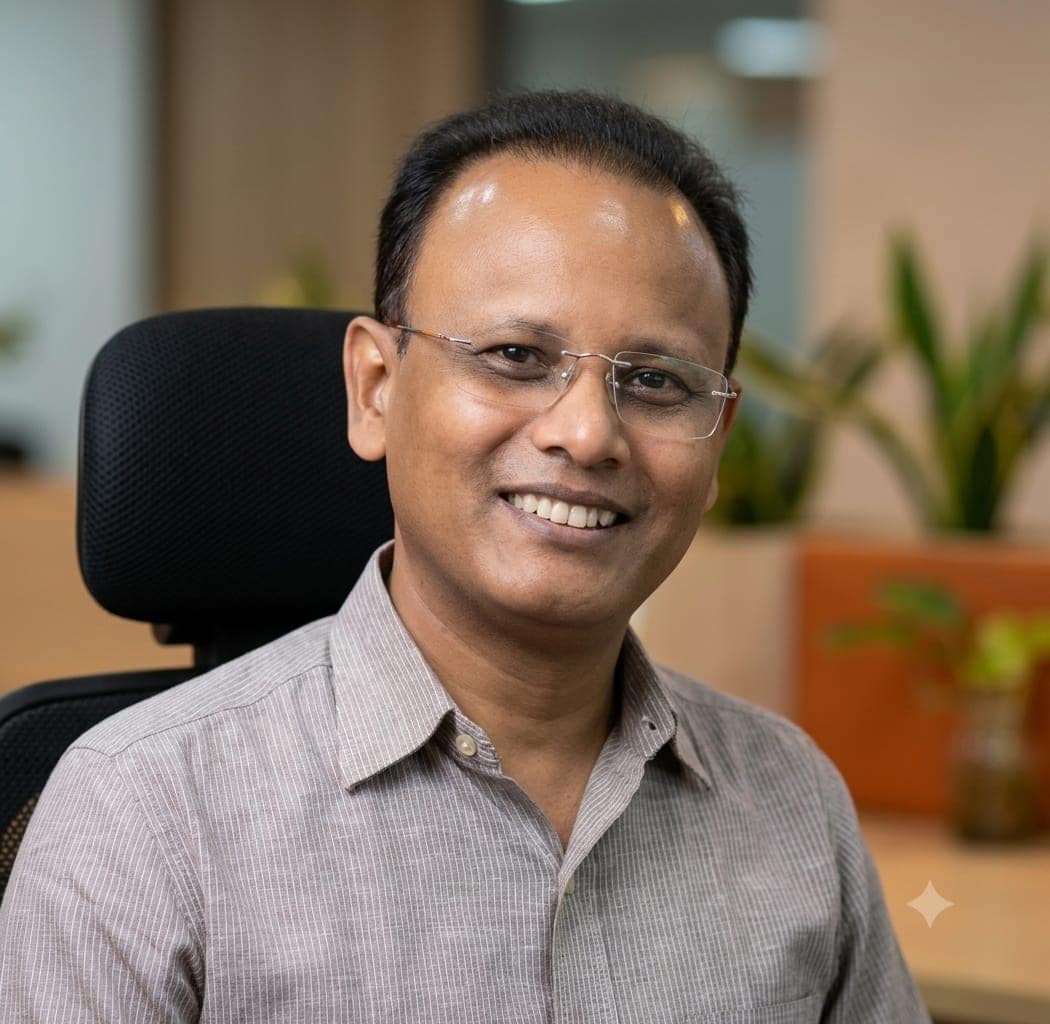
These are the findings of Prof Vijoy Shankar Sahay, Head of Allahabad University (AU) Anthropology Department and a member of the special committee of experts formed by the Union Ministry of Environment and Forests to look into the 'Forest and Allied matters in Andaman and Nicobar Islands'. The committee would submit its report to the Ministry by December end.
"I am convinced that unless immediate check and balances are placed on the ground, we could end up loosing some of the oldest and purest tribes of the world very soon," said Prof Sahay, who just returned after a 15-day trip to Andaman and Nicobar Islands.
Prof Sahay said that in Andaman and Nicobar islands there are two distinct racial groups of primitive tribes: Negritoes in the Andamans (Great Andamanese, Onges, Jarawas and Sentinelese) and Mongoloids in the Nicobar (Nicobarese, Shompens).
"The total population of these tribes is around 26,825, which accounts for about 9 per cent of the total population of these Islands.
More than 98 per cent of the tribal population is constituted by Nicobarese who are settled in the Car Nicobar Island.
The population of other tribes is very small and is declining over the past several decades," he said.
Andaman and Nicobar Administration has rehabilitated Great Andamanese numbering hardly 40 to 45 in Strait Island and Onges, around 98 to 100, in Dugong Creek and South Bay of Little Andaman Island.
Shompens having a population of 175 live deep in the jungles of Great Nicobar Island. Jarawas, numbering around 266, live in the jungles of South and Middle Andaman were hostile till recently.
During the last couple of years, they have shown a willingness to come out of their isolated world and mingle with the mainstream population. The 200-250 Sentinelese live in the North Sentinel Island and are still unapproachable, he added.
Prof Sahay said that all the tribes are in a state of transition from their primitive life-styles to a more modern way of life.
"The Nicobarese were the first to adjust to this.
They have almost lost their tribal nature and are as modern as any of the settler community.
The Onges and Andamanese are changing slowly. They keep many aspects of their tribal culture, at the same time have adopted many things from the mainstream population.
The Jarawas have just started coming out of their seclusion. The Sentinelese have not yet shown any willingness to shed their hostile attitude towards outsiders," Prof Sahay explained.
The changes in their environment due to the rapid growth of the settler population, the sharp decline in their population and the transition from the primitive nature to the modern civilisation are all causing great stress on them.
"These have their health impact also. The health needs of the primitive communities are unique.
The most dangerous development is the opening of the Andaman Trunk Road that has made tribes like Jaravas vulnerable to addiction of tobacco products, becoming dependant on handouts from people, vulnerable to venereal diseases as well as HIV and AIDS.
Unless adequate checks and balances are introduced immediately, we may end up losing these primitive tribes," he warned.
Prof Sahay said that the committee formed by the Union Government would hand over its report as well as its recommendations to the Union Ministry of Environment and Forest by December end and expressed hope that proper action would help India save one of its most valuable treasure.