
 E-Paper



Audit shows 69% of swine flu deaths in Rajasthan were in ‘high risk group’
Rajasthan is ranked seven of 10 states in regard to swine flu deaths. Between January and May this year, the state recorded 5,021 cases and 205 deaths, which is 4.08%.


Swine flu death audit in Rajasthan shows that 69% of victims in the state were in ‘high risk group’, i.e., they were suffering from diabetes, asthma, kidney disease or heart disease.
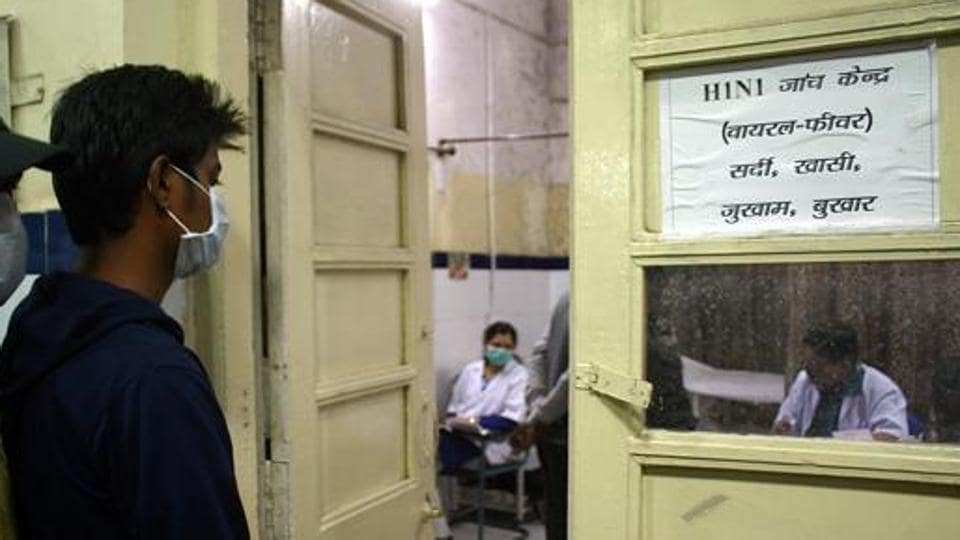
Dr Ravi Prakash Sharma, health department additional director (rural health), said, “We did an audit of swine flu deaths from January to May, 2019. There were total 5,021 swine flu positive cases of which 205 people died, which was 4.08%.”
Further analysing the deaths, it was found that of the 205 people who died, 44% people had gone to private doctors, while 31% had gone to government health facilities, and 53% were women patients, of which 12% were pregnant, he said. Of the 205 deaths, 36% were literate and 16.5% were illiterate, 66% were from rural areas and 69% deaths in high risk group — i.e.,a patient was suffering from one or two of these diseases, including diabetes, asthma, kidney disease, heart disease, were pregnant or had other comorbidities (suffer from one or more diseases).
“Of these 69% high risk group patients who died of swine flu, 42% patients did not have their medicines regularly,” said Dr Sharma.
In regard to the appearance of symptoms to hospitalisation and initiation of treatment, he said 16.2% died within 48 hours, while 45.9% in three to five days, 18.9% in six to seven days and 18.9% after a week. The mortality of swine flu patients was 3.2% in age group of 0-5 years, 3.2% in 6-15 years, 16.2% in 26-40 years, 17.9% in 26-40 years, 47.1% in 41-65 years and 12.4% in 66 years and above.
Rajasthan is ranked seven of 10 states in regard to swine flu deaths. In these five months, India registered a total of 24,591 swine flu positive cases and 951 deaths, which is 3.8%, while Rajasthan recorded 5,021 cases and 205 deaths, which is 4.08%.
The state health department will organise outreach camps frequently in high focus areas, so that people get treatment in their areas. Vulnerable section of the society, including pregnant women, children and people suffering from chronic diseases such as heart ailments, kidney problems, asthma etc, will be sensitised throughout the year.
Pregnant women will be sensitised when they come for antenatal care on ninth of every month to primary health centres, community health centres, district hospitals, subdivisional hospitals and urban health facilities under Pradhan Mantri Surakshit Matritva Abhiyan, while children will be sensitised at Anganwadi centres and people with chronic diseases at the centres of non-communicable disease centres or by the doctors treating them.
These people will be given basic information that if they are suffering from fever, running nose, body pain, sore throat etc then they should immediately contact a doctor so as to check if they are suffering from any of the seasonal diseases, said Dr Sharma.


