
 E-Paper



5 secrets the Taj Mahal is hiding: Engineering genius and marble that changes colour from dawn to moonlight

 Prefer HTon Google


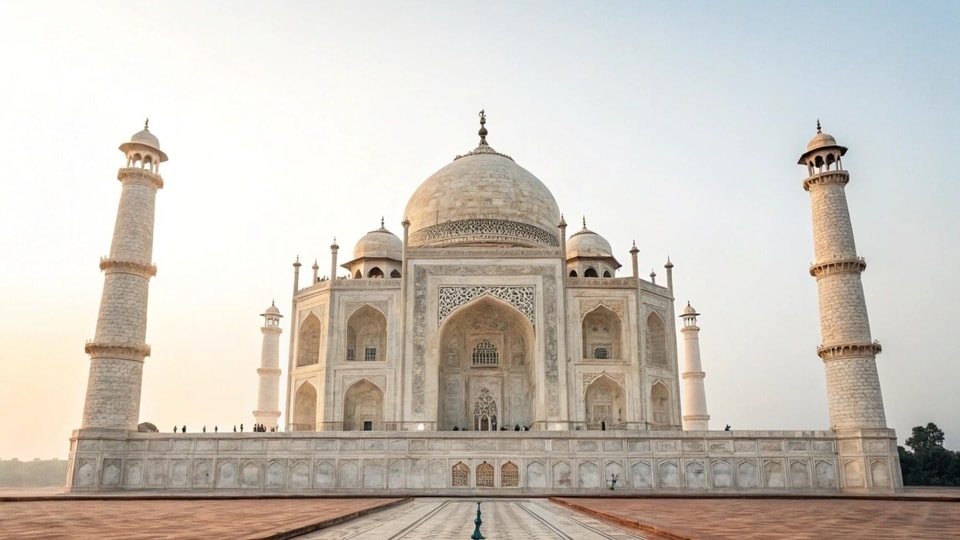
Taj Mahal is a masterpiece of engineering and optical illusions. There’s way more to this 'world wonder' than romantic history. Here are facts to know.
The Taj Mahal is celebrated as a grand monument to devotion. Commissioned in the 17th century by Mughal Emperor Shah Jahan, it was built to honour his beloved wife, Mumtaz Mahal, who died during childbirth in 1631. Yet, as a July 26 National Geographic video shared on Instagram revealed, "There’s far more to the Taj Mahal than meets the eye." Also read | US President’s daughter Tiffany Trump visits Taj Mahal with husband
Beyond its famous romance, the world-renowned masterpiece conceals brilliant engineering tricks, optical illusions, and musical acoustic wonders. Here are five remarkable facts highlighted by National Geographic that showcase the full scale of its genius:
1. It can literally 'carry a tune'
The structure features extraordinary interior design elements. Specifically, 'the 240-foot main dome has such powerful acoustics that a single note from a flute will echo five times', creating a captivating soundscape inside the monument.
2. A colour-shifting marble canvas
The secret behind its ethereal appearance lies in its raw materials. Crafted from white Makrana marble — a pure, premium stone sourced from Rajasthan, India — the surface possesses a unique 'translucent quality that allows the monument to shift colours'. Visitors can watch it transform from a 'soft rose at dawn to white during the day, finally taking on a golden glow by moonlight'. Also read | British tourist on once-in-a-lifetime solo visit to Taj Mahal: 'I cried when I…'
3. Mind-bending optical illusions
The monument is designed to play sophisticated visual tricks on approaching visitors. Surprisingly, 'it appears to shrink as you walk toward it'.
4. Hidden earthquake engineering
What appears to be purely aesthetic architectural symmetry is actually an ingenious safety feature. While the four surrounding minarets look completely vertical to the naked eye, they 'actually lean outward'. This subtle tilt ensures that, in the event of a severe earthquake, 'the towers fall away from the central tomb' to protect the primary structure.
5. The mystery of the 'black Taj Mahal'
Local legends claim that Emperor Shah Jahan planned to build a mirror-image second Taj Mahal, this time in black marble, directly across the Yamuna river to serve as his final resting place. Popular lore suggests the ambitious project was halted when he was overthrown by his son. However, despite the enduring popularity of the tale, 'modern historians largely dismissed the idea', treating it more as myth than historical fact.
From its musical dome to its earthquake-proof towers, the Taj Mahal stands not only as an iconic symbol of eternal love but as a triumph of timeless architectural mastery.
Note to readers: This report is based on user-generated content from social media. HT.com has not independently verified the claims and does not endorse them.
This article is for informational purposes only.


