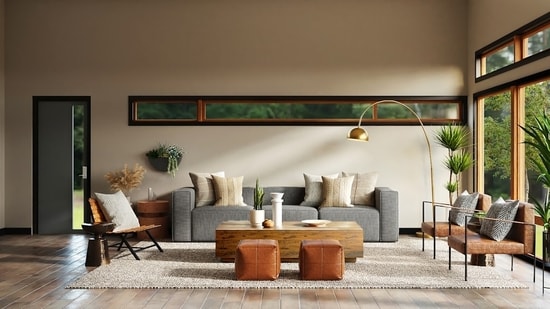
Decorating a first home can be exciting, but with so many choices to make, it is also easy to get carried away. From furniture and finishes to décor and lighting, every decision can seem important. The key is to look at the home as a whole and make choices that are practical, cohesive, and suited to everyday life. In an interview with HT Lifestyle, Aishwarya Khurana, founder of Studio Dor, shared designing mistakes people often make.
Also read | From busy prints to dark colours: These 6 wallpaper errors can make a room feel small and cramped
1. Decorating room by room
Aishwarya highlighted that treating every room as a separate project can make a home feel disconnected. Instead, establish an overall design language through colours, materials, finishes or textures, while still allowing each room to have its own character.
2. Buying furniture without checking measurements
A piece that looks perfect in a showroom may overwhelm a room once it is placed inside it. Always consider the furniture's dimensions, the available circulation, and even how it will enter the home before making a purchase.
3. Overstyling spaces
According to Aishwarya, filling every empty surface or corner with décor can quickly make a room feel cluttered. A few well-chosen elements, balanced with enough negative space, can make a space feel more considered.
4. Spending the budget equally on everything
{{/usCountry}}According to Aishwarya, filling every empty surface or corner with décor can quickly make a room feel cluttered. A few well-chosen elements, balanced with enough negative space, can make a space feel more considered.
4. Spending the budget equally on everything
{{/usCountry}}Not every element needs the same level of investment. Prioritise pieces and areas that are used most or matter most to you, and save on elements that can be upgraded or added later.
5. Buying matching furniture sets
“A completely matching furniture set can make a home feel more like a showroom than a lived-in space. Mixing complementary materials, shapes and finishes creates a more layered and individual look,” explained Aishwarya.
6. Designing around trends instead of your lifestyle
Trends can quickly date, while the way a home is used remains much more relevant. Consider daily routines, comfort, storage and entertaining habits first, and bring trends in through elements that are easier to change.
7. Not planning enough storage
Storage should be considered during the initial planning stage rather than treated as an afterthought. Think beyond wardrobes and kitchen cabinets to everyday clutter, appliances, luggage, books and other things that need a designated place.
8. Treating lighting as an afterthought
“Lighting can dramatically affect how a space looks and feels, so it should be planned alongside the layout and furniture,” said Aishwarya. A combination of ambient, task and accent lighting usually creates a more comfortable and flexible home. Incorrectly planned lighting can make a room feel disoriented, uncomfortable, and visually unbalanced.
9. Buying everything at once
Trying to complete the entire home immediately can result in rushed purchases and pieces that don't really belong. Living in the space first can help identify what is actually needed and allows the home to develop more naturally.
10. Rushing the finishing touches
Artwork, rugs, cushions, plants and personal objects are what often bring a home together. These details don't need to be bought immediately; taking time to see what the space needs can result in a more personal and thoughtful finish.