
 E-Paper



Which wood is best for furniture? A guide to natural and engineered choices for your home
Choosing the best wood for furniture depends on purpose, budget, and upkeep. From classic teak to affordable plywood, each option brings charm and practicality.

 Prefer HTon Google


I’ve always believed that choosing the right material for furniture is like choosing the right fabric for a favourite outfit. It shapes the look, the comfort, and how long it will stay with you. Wood in particular is fascinating because it carries history, character, and a texture that can change the feel of an entire room. Over the years, I’ve been asked one question again and again. Which wood is best for furniture?
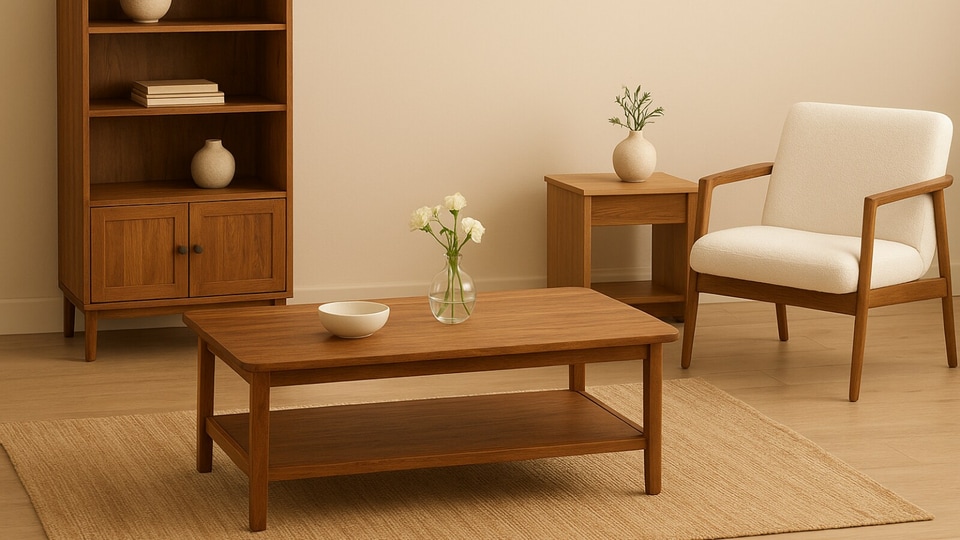

The truth is, there isn’t one answer. The answer shifts based on your project, your budget, and the level of attention you’re prepared to give the furniture later. Some woods are timeless classics, while others are modern, engineered options that make life easier. Let’s take a look at three natural and three man-made choices, with a few suggestions for where they shine.
Teak Wood
For centuries, Indian homes have relied on teak as their strongest furniture material. Strong, termite-resistant, and naturally oiled, it’s the kind of wood that grows better with age. Its golden-brown glow and fine grain give it a refined finish even without polish. Teak is on the expensive side, but it’s an investment that lasts for decades.
Works best for
- Dining tables that can handle generations of use
- Solid bed frames for long-term comfort
- Outdoor furniture, since it can take on the elements
Sheesham Wood
Sheesham, often called Indian rosewood, is known for its bold grains and rich tones. Every piece feels different, which makes it perfect when you want furniture that looks unique. It’s strong and responds beautifully to carving, so it often becomes the go-to for statement furniture.
Works best for
- Coffee tables that bring warmth to living rooms
- Bookshelves and cabinets that also serve as decor
- Bedside tables with subtle detailing
Mango Wood
Mango wood is gaining popularity for good reason. Once a mango tree stops producing fruit, the wood is reused instead of being wasted, making it a sustainable choice. It’s lighter and softer than teak or Sheesham, but still sturdy enough for most furniture. The fun part is how long it takes to finish and the colours, so you can experiment freely.
Works best for
- TV units and sideboards with character
- Accent chairs in bold painted finishes
- Console tables that add charm to hallways
Plywood
Plywood offers strength and versatility that usually surprises those who work with it. Made by layering sheets of veneer, it resists warping and works well with laminates or veneers on top. It’s the sensible choice when you need a balance of durability and budget.
Works best for
- Modular kitchens designed for daily use
- Wardrobes and cupboards with sleek finishes
- Office desks and furniture that need stability
MDF (Medium Density Fibreboard)
MDF is smooth and even, which makes it ideal for painted finishes. While it lacks natural wood grain, it creates a flawless surface for colour or design. It’s also affordable and easy to work with, though it’s best avoided in areas that get damp.
Works best for
- Study tables with bright finishes
- Children’s room furniture in playful shades
- Decorative wall panels and partitions
Particle Board
Particle board is the budget-friendly option. It’s made from wood chips and resin, which makes it light and easy to shape. While it’s not as strong as plywood or MDF, it’s useful for furniture that isn’t expected to hold a lot of weight.
Works best for
- Shelves for light storage
- TV stands for smaller gadgets
- Office workstations in budget setups
So, which wood is best for furniture? There isn’t one clear winner. Teak, Sheesham, and mango wood bring natural beauty and strength, while plywood, MDF, and particle board offer practicality and affordability. My suggestion is to mix them. When it comes to statement furniture, solid wood takes the stage, while engineered wood keeps things simple and functional. That way, your home feels stylish, comfortable, and sensible all at once.
Similar articles for you
Setting up a home office? Top 5 tips to ensure your workspace boosts productivity
5 houseplants that will survive even if you forget to water them for a week!
8 easy ways to use mirrors to make a small space look bigger
Colour theory for your home: How to set the mood with the right palette
The author of this article holds a Master's Degree in Interior Design and has spent over a decade in research, teaching, and designing homes from scratch.
Disclaimer: At Hindustan Times, we help you stay up-to-date with the latest trends and products. Hindustan Times has an affiliate partnership, so we may get a part of the revenue when you make a purchase. We shall not be liable for any claim under applicable laws, including but not limited to the Consumer Protection Act, 2019, concerning the products. The products listed in this article are in no particular order of priority.


