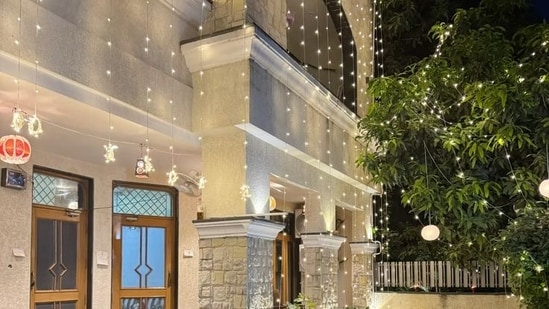
Celebrations and festivals, especially Diwali, are synonymous with light, but illuminating a home does not necessarily mean one needs to make every corner brighter. Good lighting design is about following a design language that creates balance, directing attention and allowing different elements of a space to complement each other and come alive cohesively. In an interview with HT Lifestyle, Vikram Singh Dhingra, senior vice president at TISVA, shared ideas to incorporate thoughtful lighting this Diwali.
Also read | From clutter-free spaces to layered lighting: 4 hotel-inspired decor ideas for a peaceful home
1. Start by auditing what you already have
Before buying another decorative light, look at your existing lighting differently. Which corners feel flat after sunset? Which areas are unnecessarily bright? Are there architectural details, artwork or materials that disappear at night? Identifying these gaps can help you understand where an additional light source will genuinely add value rather than simply adding more illumination.
2. Think about colour temperature
According to Dhingra, the warmth of light can significantly alter the character of an interior. Warmer colour temperatures are often preferred for residential environments, particularly when creating more relaxed settings. During Diwali, for instance, warmer light can also complement the natural glow of diyas and candles, creating a more cohesive atmosphere rather than competing with them.
3. Give your lighting different levels of intensity
{{/usCountry}}According to Dhingra, the warmth of light can significantly alter the character of an interior. Warmer colour temperatures are often preferred for residential environments, particularly when creating more relaxed settings. During Diwali, for instance, warmer light can also complement the natural glow of diyas and candles, creating a more cohesive atmosphere rather than competing with them.
3. Give your lighting different levels of intensity
{{/usCountry}}“Your home does not need to look the same throughout the evening. Dimmability and layering of lights following a certain design language allows illumination to metamorphose the environment, from bright lights when guests arrive to softer, warmer lights as the evening progresses,” highlighted Dhingra. Aligning lighting to circadian rhythm enhances overall wellbeing further highlighting the value of adjusting light intensity and colour with the turn of the clock.
4. Remember both light and shadow are part of the design
Perhaps the most overlooked element of festive lighting is restraint. Consider allowing some areas to remain softer and in the shadows. Dhingra highlighted that contrast creates depth and gives the eye places to rest, while highlighting select elements such as a dining table, artwork, textured wall, or festive arrangement as focal points. Luxury is often created through what you choose not to illuminate.
Ultimately, a Diwali lighting refresh does not need to be an extensive shopping list that burns a hole in one’s pocket. It’s all about understanding how your home already uses light and spotting where the gaps are.
Once that is clear, adding a carefully chosen fixture, changing a light source or introducing a new layer of illumination can transform the space far more effectively to create the right impact. This approach creates a festive home that feels warm and inviting, while ensuring the lighting continues to add value long after Diwali is over.