
 E-Paper



In photos: Check out designs by Charles Frederick Worth, the father of haute couture

 Prefer HTon Google


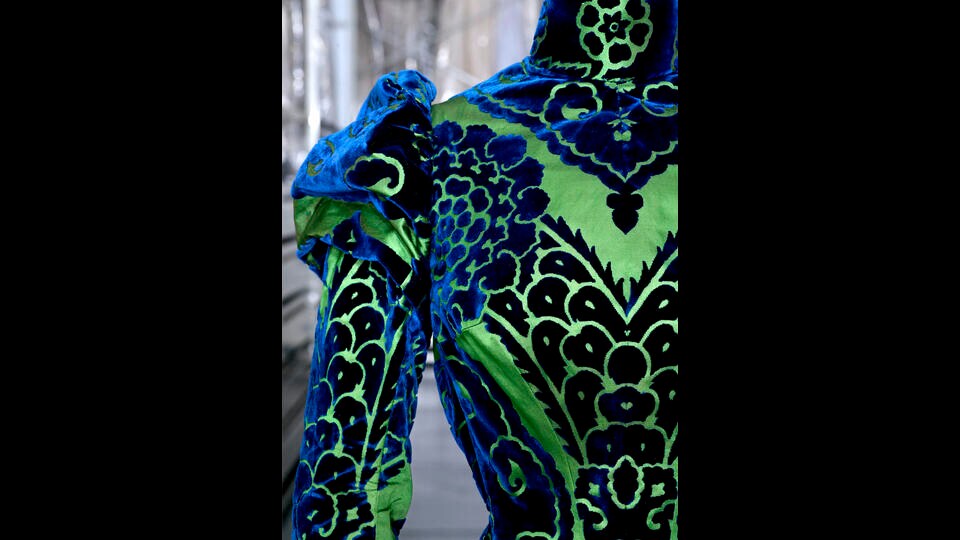
Born in 1825, Worth is considered the inventor of the fashion label. An ongoing exhibition at the Petit Palais art museum in Paris is celebrating his story.
.
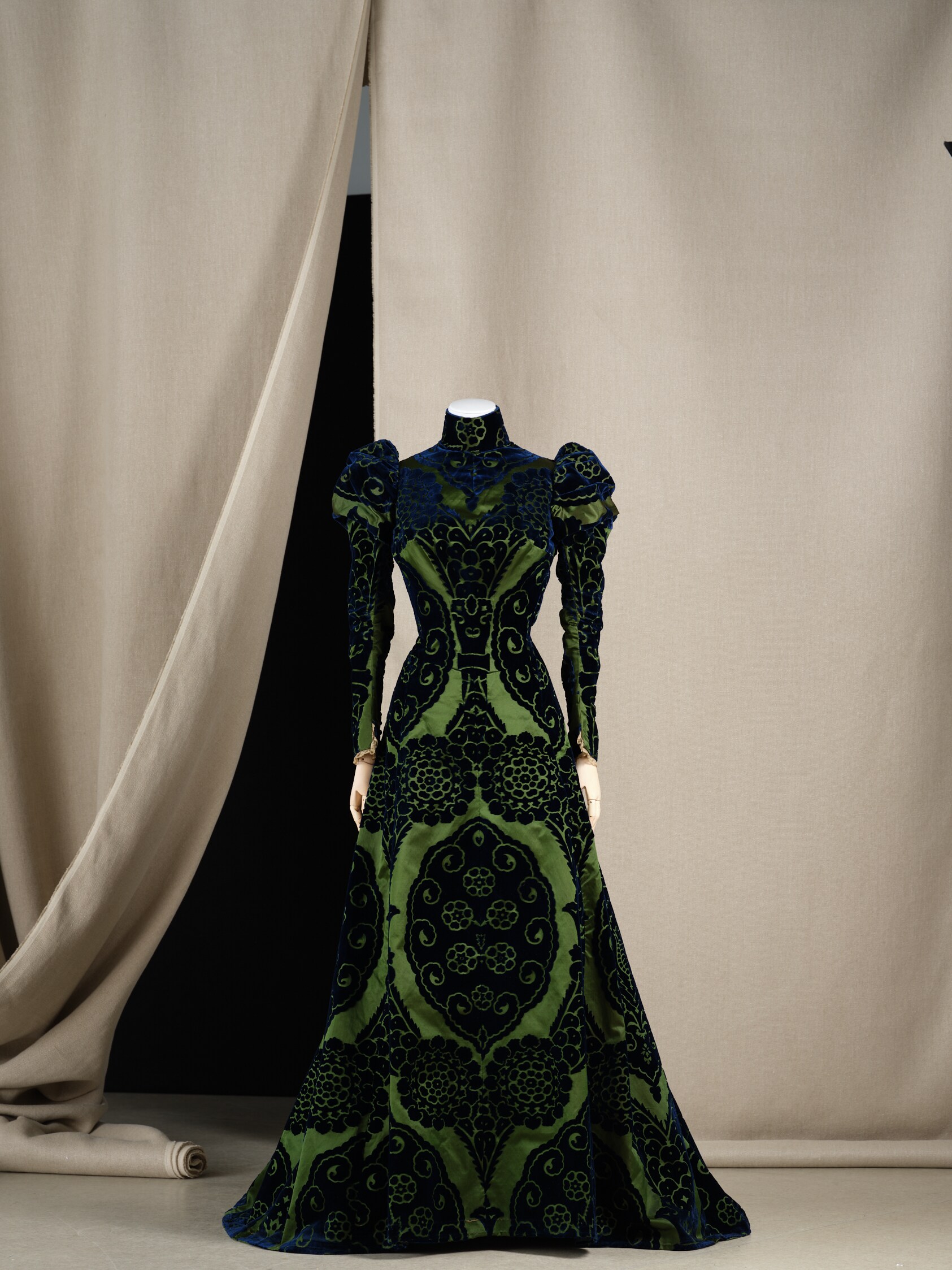
This is only the second retrospective of House of Worth ever held, 60 years after the first in New York. (Above and top) An electric green-and-navy-blue tea gown made for the French socialite the countess Élisabeth Greffulhe in 1896-97.
.
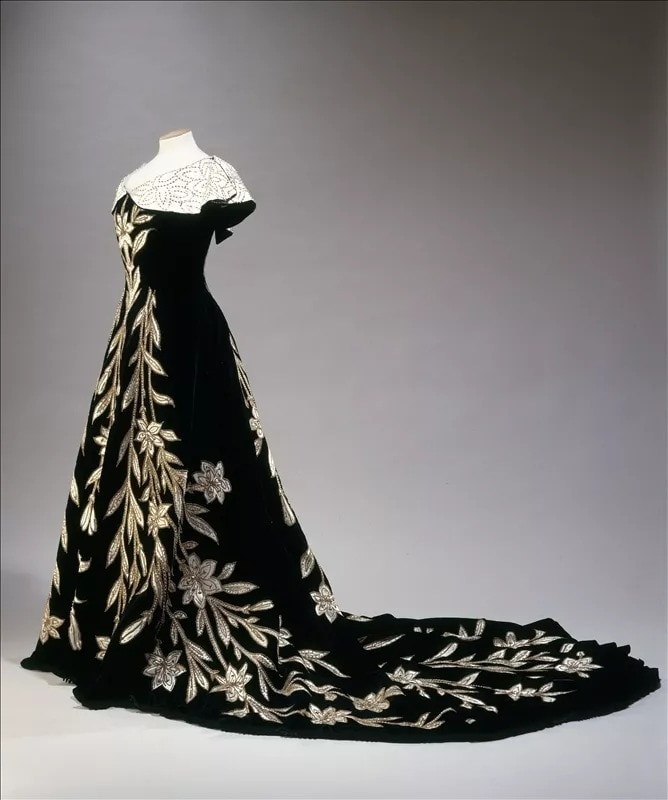
An evening gown of large white lilies against black velvet, known as the Robe aux lys, also made for by the countess Greffulhe. The dress was embellished with pearls, sequins, rhinestones and silver thread.
.
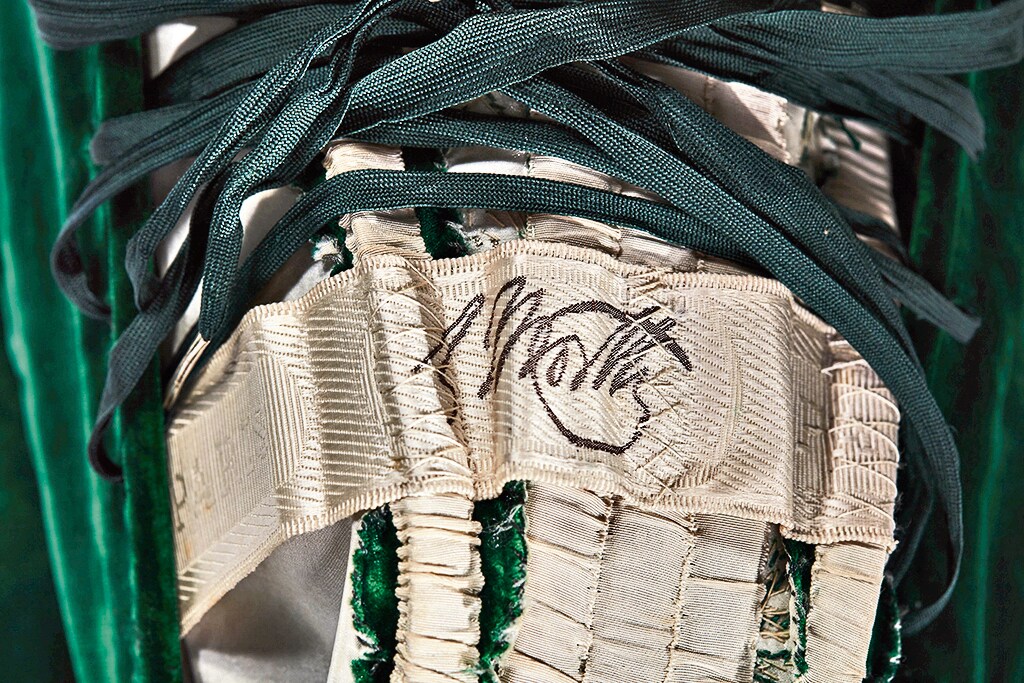
In the 1850s, Worth began to sew tags into his designs, bearing his name. This made him, essentially, the inventor of the “fashion label”. This — and his dramatic designs — is part of why historians consider him the father of couture.
.
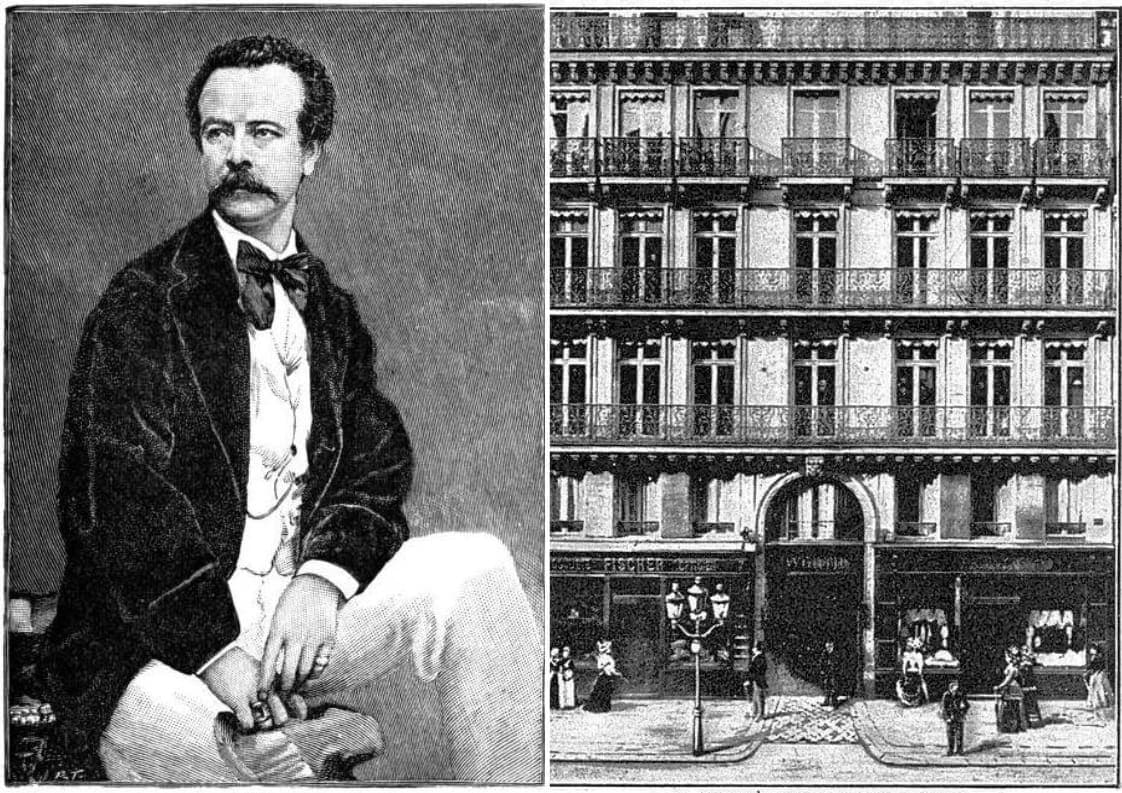
Another thing Worth did differently that changed the fashion business, was create ready-to-try-on gowns at a time when aristocratic women generally dictated styles to their dressmakers. (Above right) The House of Worth in Paris catered to the who’s who of the fashion capital for decades. It lived on long after its founder’s death in 1895, and only shut in 1956. An attempt to revive it in the late 1990s, however, failed. The market was too crowded by then.
.
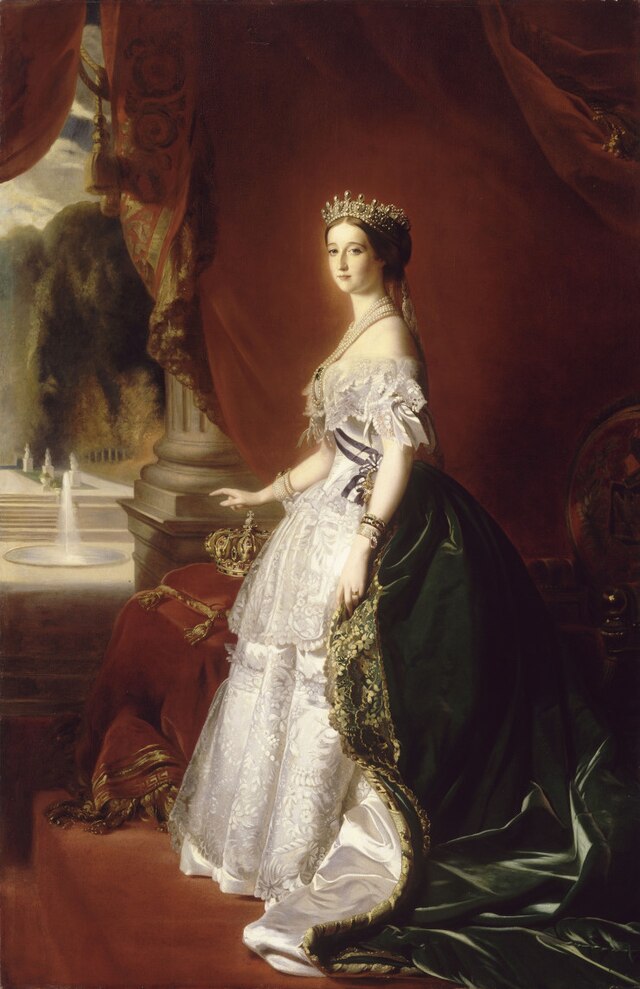
The French Empress Eugénie, wife of Napoleon III, was a prominent patron. Here, she poses for a portrait in a gown designed by Worth.
.
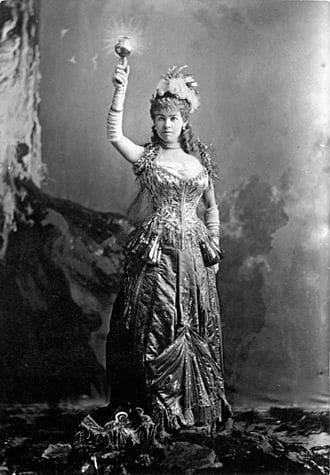
Other patrons included the US’s Astor, Morgan and Vanderbilt families. (Above) Alice Vanderbilt is dressed as “electric light,” in a gown designed by Worth for a Vanderbilt fancy-dress ball in 1883.


